IRDAI Commission Reset Puts Insurance Selling Costs Under Public Review
India's insurance regulator has put distribution economics under public review, and the debate now reaches beyond insurance companies and brokers. IRDAI's...
India's insurance regulator has put distribution economics under public review, and the debate now reaches beyond insurance companies and brokers. IRDAI's proposed reform package would reintroduce commission caps and link remuneration more closely to the effort involved in selling and servicing policies. Public feedback is open until October 25.
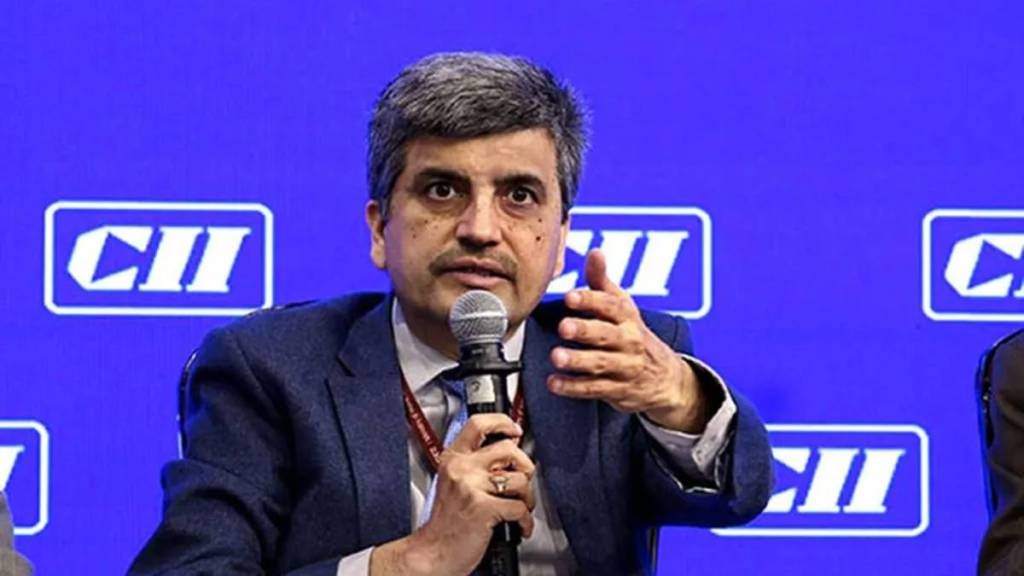
Chairman Ajay Seth has said the objective is to simplify the distribution architecture, create greater choice and align commissions with the work actually performed by channels. That framing is important because the proposal has been read by parts of the market as a threat to bancassurance, brokers and digital intermediaries. Seth's message is that the regulator is looking at cost, sales quality and persistency rather than trying to remove any one channel.
The policyholder question is straightforward. If too much of a premium is absorbed by acquisition and management costs, less remains for life cover, claims and long-term value. Seth told Financial Express that out of every Rs 100 of life insurance premium, Rs 22 currently goes towards acquiring and managing the business, while the comparable cost in general insurance is around Rs 32. Those numbers explain why the issue has become a consumer matter, not just an industry-margin matter.
The consultation paper also points to uneven distribution economics. Bancassurance entities generate a large share of private life insurers' total premiums, while commission rates vary widely across insurers and products. The regulator appears to be asking whether the same distribution channel should be rewarded in a way that reflects the complexity of sale, servicing burden and customer outcomes.
Timing is still open. Seth said January 1, 2027, or April 1, 2027, are possible effective dates for the new rules. That gives insurers, banks, brokers, web aggregators and agents time to respond, but it also means companies cannot treat the consultation as a remote possibility. Product pricing, sales incentives, renewals, training and technology systems may all need review if the final framework follows the direction of the draft.
For customers, the near-term advice is not to cancel policies in reaction to a proposal. The rules are still in consultation, and final regulations will follow only after feedback and another draft stage. The bigger consumer benefit would be clearer selling, fewer distorted incentives and a better link between what a policy costs and what protection it actually provides.
Related Stories

India Post Clears ₹4,000 Crore in a Quarter for the Second Time
India Post reported first-half revenue of ₹8,212.7 crore, with parcel income up 71% year on year in the July–September quarter.

IIM Lucknow's Family-Business MBA Treats Succession As A Management Skill
The two-year programme, starting in July 2027, is aimed at business owners and next-generation leaders who need governance, succession and growth tools.

Fusion CX IPO Puts Kolkata's AI-Enabled Service Firm On The Market Clock
The Rs 702 crore issue opens on October 14 with a Rs 275-289 price band and a fresh-issue component aimed partly at reducing debt.