June Rail Specials Show Passenger Demand Is Still Testing India's Travel Network
India's June travel season is again showing why special trains remain a key pressure valve for the passenger network, with seasonal demand stretching regular capacity.
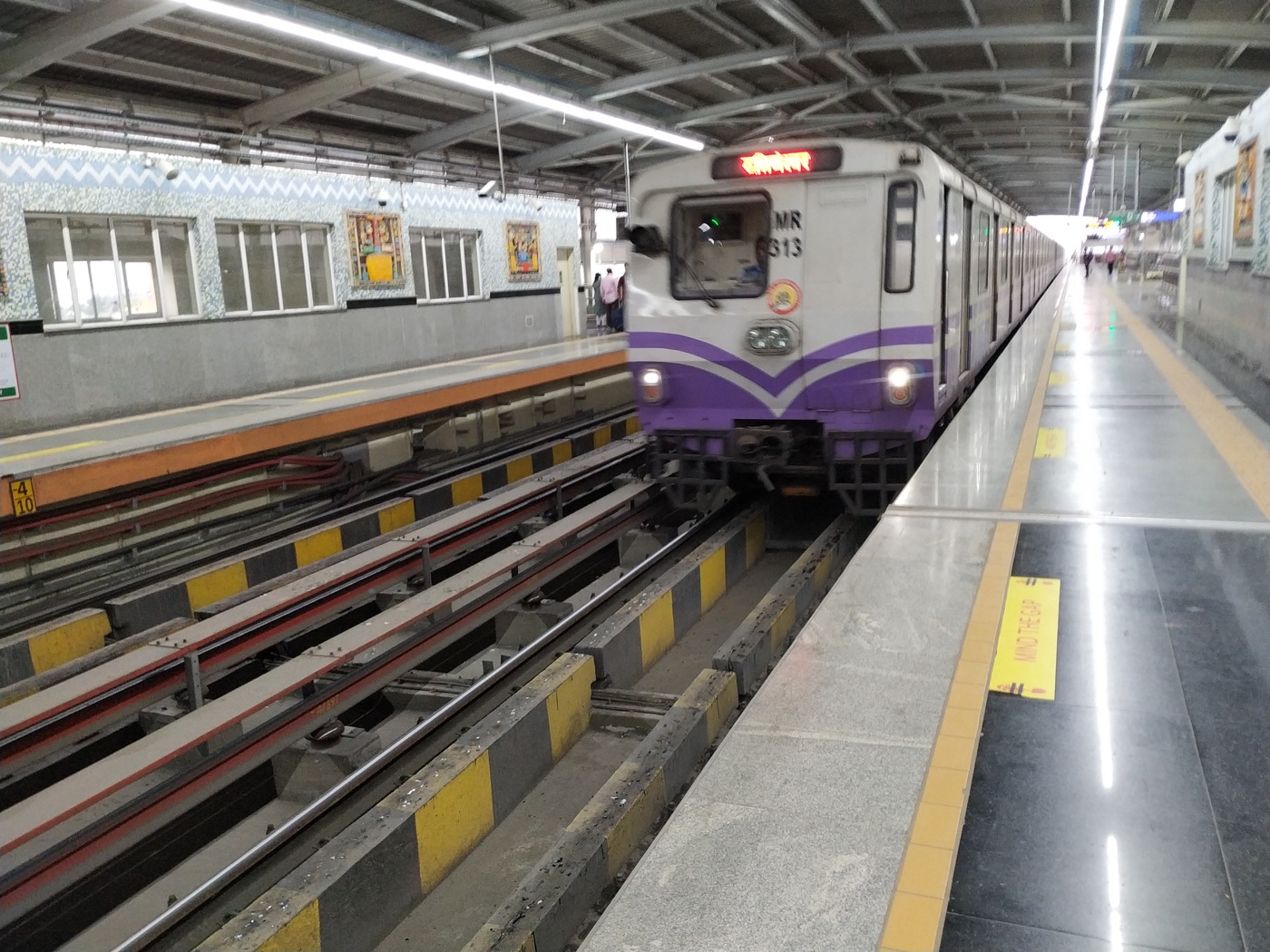
India's June travel season is again showing why special trains remain a key pressure valve for the passenger network. The Financial Express railways page listed several recent updates on 8 and 9 June, including a summer special between Bilaspur and Bengaluru Cantonment on 12 June, Western Railway's weekly special between Asarva in Ahmedabad and Agra Cantt, extended Udhna-Madhubani and Udhna-Jhanjharpur services, and other regional rail upgrades. The individual routes differ, but the pattern is the same: seasonal demand is stretching regular capacity.
Special trains are often treated as routine announcements, yet they reveal where travel pressure is building. June brings school holidays, family visits, pilgrim movement, monsoon travel changes and workers moving between home states and job centres. When extra trains are announced, it usually means ordinary timetables are not enough for the expected load. For passengers, that can be the difference between confirmed berths and long waiting lists.
The Bilaspur-Bengaluru special is a good example of how railways connect labour, education and family travel across long distances. Bengaluru draws workers and students from several states, while central and eastern routes often face heavy demand during holiday periods. A one-off or weekly special does not solve structural capacity constraints, but it gives passengers a safer and more predictable option than informal travel or last-minute expensive alternatives.
The Ahmedabad-Agra special points to another demand pattern: intercity and tourism-linked movement. Agra remains a major travel destination, while Ahmedabad and surrounding Gujarat routes connect business, family and tourist passengers. Extra services on such corridors can reduce crowding and spread demand across more departure windows. For travellers, the value lies not only in a seat, but in route certainty and known halts.
Financial Express also listed infrastructure updates such as traction upgrades and regional rail projects. Those are less visible than a new special train, but they shape long-term travel reliability. Power-system upgrades, bottleneck fixes and corridor improvements can improve punctuality and capacity. India's rail challenge is both immediate and structural: run enough trains this month, while building a network that needs fewer emergency additions in future.
Passengers should still read special-train announcements carefully. A special may run on limited dates, have different train numbers, use non-standard halts, or operate with a fare structure that differs from regular services. Travellers should verify timing through official railway channels before making onward plans. A headline saying a train has been launched is not enough; the exact departure, route, coach composition and booking status matter.
The wider travel lesson is that India's domestic mobility is not slowing. Even with more flights, highways and buses, rail remains the backbone for large numbers of people moving across states. Seasonal specials are a sign of responsiveness, but they are also evidence of pressure. If demand keeps growing, the country will need more capacity, better information systems, faster station upgrades and clearer passenger communication.
For now, June's special trains are practical news. They give families, workers, students and pilgrims more options in a crowded travel month. They also show that the Indian Railways network is still being asked to do what it has always done: carry the everyday movement of a very large country.
Related Stories

EIH And Bhartiya Plan 20 Luxury Resorts Starting With Coorg Kabini And Hampi
EIH Limited and Bhartiya Hospitality have announced a strategic partnership to develop and operate 20 luxury lifestyle resorts across India and selected...

Air India Phuket-Delhi Flight AI2379 Hits Severe Turbulence And Injures Passengers
An Air India flight from Phuket to Delhi has put turbulence safety back in focus after a severe mid-air incident injured passengers and crew before the...

India Identifies 40 Cities For Hub-Airport Travel And Cargo Clearance Model
India has identified 40 cities where passengers could benefit from liberalised airport immigration and cargo-screening rules under a hub-and-spoke aviation model.
