Lok Sabha Passes Supreme Court Judges Bill As Bench Strength Moves To 38
The Lok Sabha has passed legislation to increase the working strength of the Supreme Court, moving one of the Monsoon Session's most consequential institutional changes through...

The Lok Sabha has passed legislation to increase the working strength of the Supreme Court, moving one of the Monsoon Session's most consequential institutional changes through the lower house while opposition protests continued around other issues. The Supreme Court (Number of Judges) Amendment Bill, 2026 seeks to lift the number of puisne judges from 33 to 37, which would take the court's full sanctioned strength to 38 when the Chief Justice of India is included. The change is being presented as a capacity measure for a court that continues to handle a large and complex docket across constitutional, criminal, civil, commercial and regulatory matters.
The timing matters because the bill was cleared without a detailed debate in the Lok Sabha. Reports from Parliament said opposition members were pressing for discussion on the alleged NEET paper leak controversy and allegations around Ayodhya donation handling, contributing to a noisy sitting. That procedural context will now be part of the political reading of the bill: even where parties may agree that the court needs more judges, the absence of debate leaves unanswered questions about appointment timelines, court infrastructure, listing systems and the wider case-management reforms needed to turn extra posts into faster disposal.
The official legislative record shows the bill was introduced during the current session and listed by the Ministry of Law and Justice. The immediate legal effect is narrow: it amends the judge-strength framework rather than changing judicial powers or court procedure. But for litigants and lawyers, the practical issue is whether the higher ceiling is quickly matched by collegium recommendations, presidential appointments, courtrooms, registry support and bench composition that can absorb more matters. An empty increase on paper would not reduce delay; a filled and well-supported increase could help distribute urgent cases, final hearings and specialist benches more evenly.
The move also arrives at a time when the Supreme Court is being asked to decide disputes with significant federal, electoral, economic and personal-rights consequences. A larger bench strength may make it easier to constitute Constitution Benches without draining regular two-judge and three-judge benches. It may also give the court more room to hear long-pending appeals that often wait behind urgent petitions. Still, judicial capacity is only one side of the problem. Pendency also reflects filing patterns, government litigation, adjournments, vacancies in lower courts, procedural bottlenecks and the pace at which High Court appeals reach Delhi.
There is a federal dimension as well. High Courts remain the first major appellate forum for most citizens, and vacancies there often push pressure upward. If the Supreme Court receives more judges but the wider judicial pipeline remains strained, the public may see only partial gains. Legal reformers will therefore watch whether the government pairs this headline change with measures that reduce avoidable appeals by departments, strengthen tribunal functioning and make court data easier to use. The bill is an important capacity signal, but it is not a substitute for the day-to-day administrative work that makes courts move.
The bill now needs to complete the remaining parliamentary and assent steps before the higher strength becomes fully operational. The signal from the lower house is clear: the government wants more Supreme Court seats available. The harder test will be whether the change produces visible relief for citizens whose cases depend not on the number written in statute, but on how quickly a bench can hear and decide their matter.
Related Stories
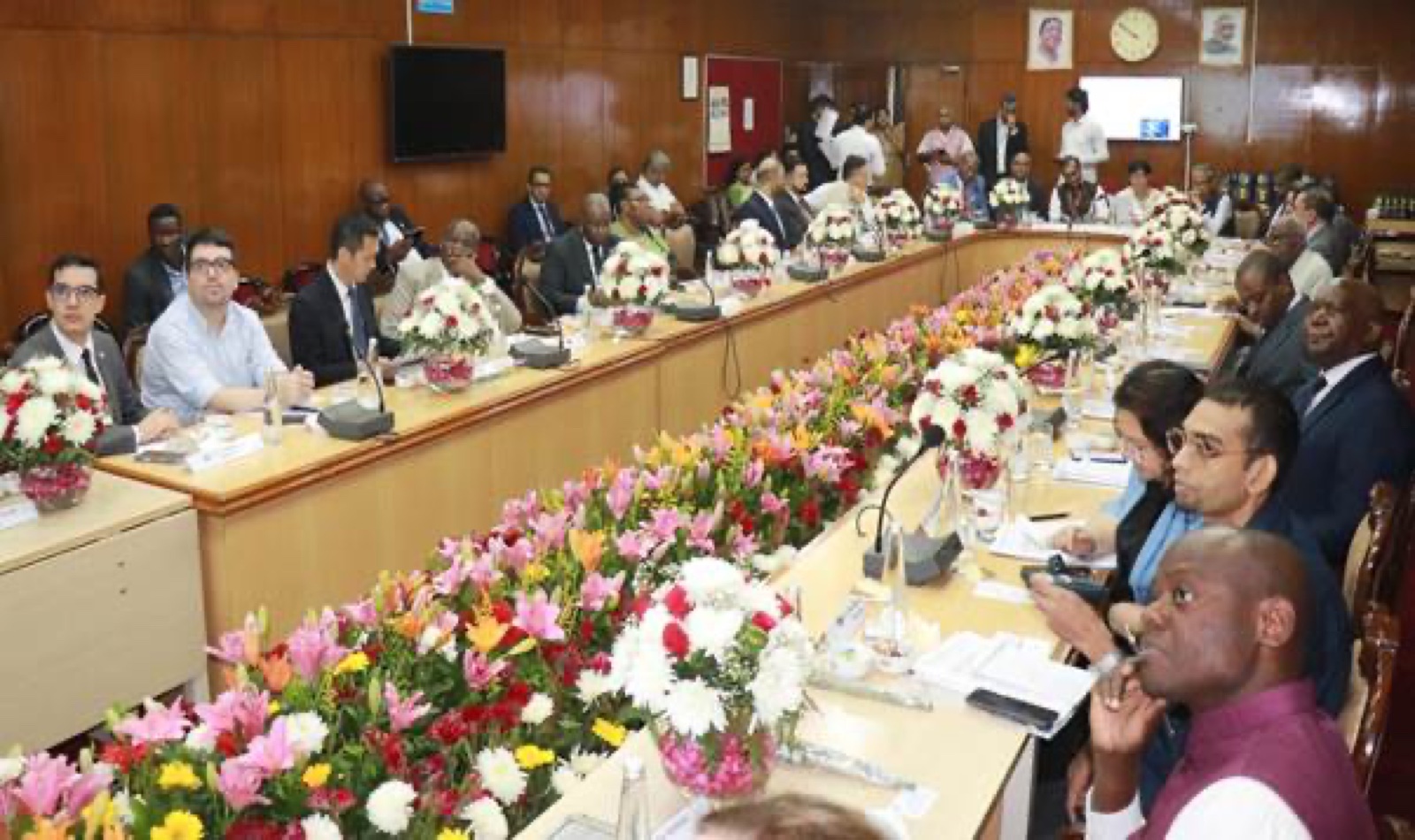
CSIR Opens a Practical Science-Diplomacy Channel for Global South Partners
A new MEA–CSIR programme brought representatives from 29 countries into New Delhi laboratories to examine collaboration around infrastructure, genomics and healthcare.

INS Mangrol Commissioning Turns Shallow-Water Defence Into A Shipbuilding Signal
The third Mahe-class ASW shallow-water craft has joined the Navy with more than 80 percent indigenous content and a coastal-submarine focus.
Bokaro Gas Deaths Put Industrial Safety Back Under The 72-Hour Clock
Two men died after gas exposure at ESL Steel's Bokaro plant, with the district administration ordering a site report within 72 hours.
