Centre Summons Meta Global Team To New Delhi Over CSAM, AI Content And Account Restrictions
The Indian government has escalated its scrutiny of Meta, calling the company's global team to New Delhi for meetings on August 5 and 6 over child-safety...

The Indian government has escalated its scrutiny of Meta, calling the company's global team to New Delhi for meetings on August 5 and 6 over child-safety failures, verified-account restrictions and the spread of AI-generated content. The immediate agenda is broad, but the political signal is specific: India wants the company to answer at a senior level when platform decisions affect public figures, child protection and the wider information environment.
The Ministry of Electronics and Information Technology's concerns include the handling of Child Sexual Exploitative and Abuse Material on Meta platforms, including reports of such material appearing in paid Instagram advertisements. That issue is the most serious part of the meeting because it goes beyond content moderation disputes and into platform-safety obligations. Regulators can tolerate disagreement over politics or speech policy far more easily than failures involving child abuse material. If officials believe paid distribution systems allowed harmful content to circulate, Meta may be asked to explain not only takedown procedures but advertising review, automated detection, escalation timelines and audit trails.
The government is also expected to raise the temporary restriction of prominent verified accounts and posts, including controversy around a Facebook post by Prime Minister Narendra Modi. That part of the meeting is politically sensitive because it touches the power of private platforms to limit reach or visibility for elected leaders, public institutions and major political actors. India has already shown that it expects global technology companies to maintain local accountability when moderation decisions affect Indian users. For Meta, the challenge will be to explain whether the restrictions were triggered by automated systems, human review, policy enforcement, security concerns or a mistake.
AI-generated content adds a third layer. Deepfakes, synthetic political clips, manipulated audio and low-cost misinformation are becoming harder to identify quickly, especially in a multilingual country with large election cycles, regional parties and fast-moving social media networks. Officials are likely to press Meta on labelling, provenance, takedown speed and whether safeguards are robust enough for Indian languages and local contexts. A policy that works in English or a small set of major languages may still fail when misinformation appears in regional scripts, mixed-language posts or altered video formats.
The meeting also reflects a wider regulatory shift. Indian authorities are no longer treating large platforms as distant intermediaries that can resolve every issue through standard global help desks. They are asking for direct explanations, local responsiveness and evidence that companies can act quickly when harms surface. That does not mean every government complaint should automatically determine moderation outcomes. It does mean platforms operating at India's scale need defensible processes that can be explained to regulators, courts, advertisers and users.
For users, the practical question is whether this pressure produces visible improvements. Better child-safety enforcement, clearer account-restriction notices and stronger AI-content labelling would matter more than another round of official statements. For Meta, the next two days are an accountability test. The company will need to show that its India systems are not simply imported policy templates, but operational safeguards that can handle the country's volume, languages and political stakes without hiding behind automation when things go wrong.
Related Stories
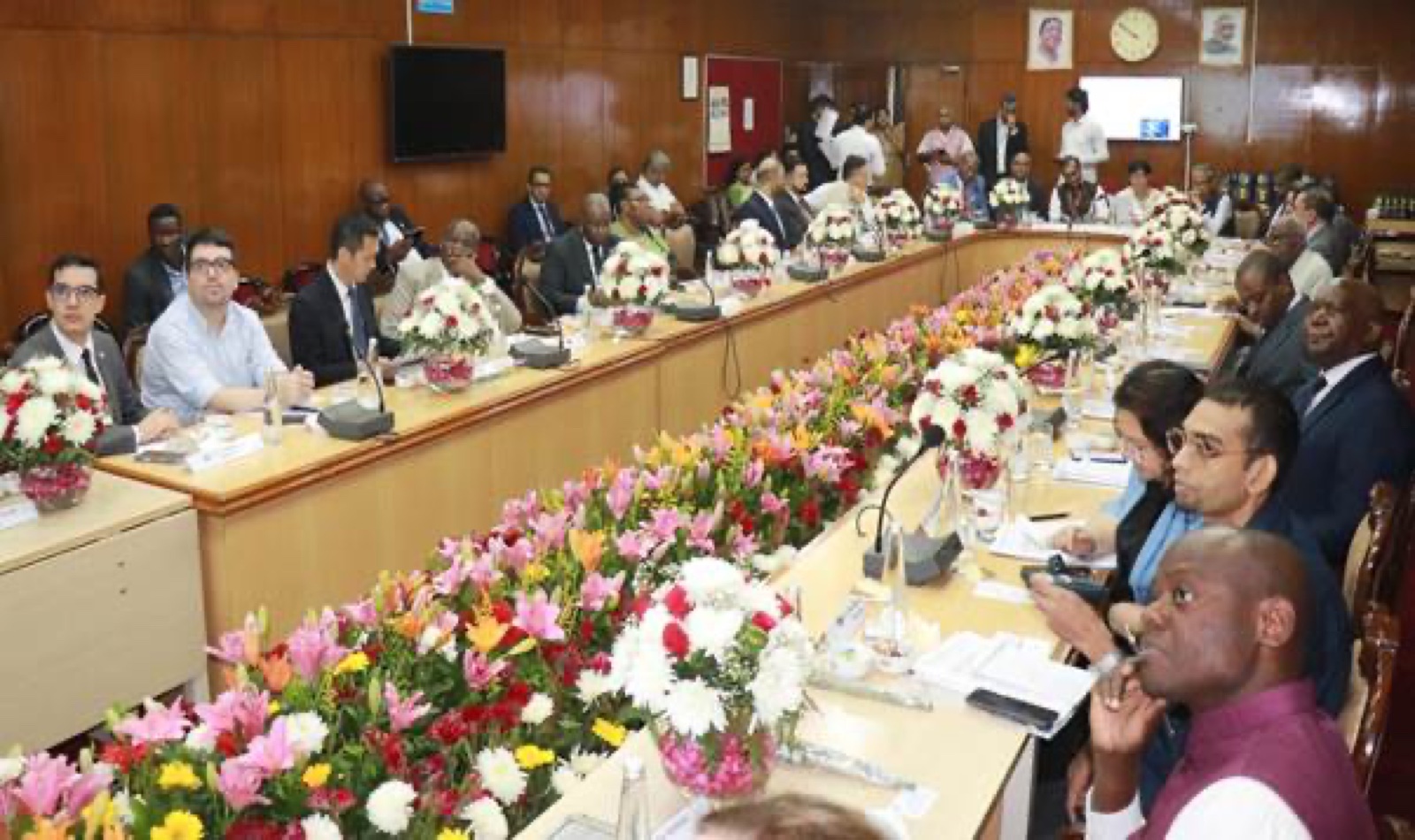
CSIR Opens a Practical Science-Diplomacy Channel for Global South Partners
A new MEA–CSIR programme brought representatives from 29 countries into New Delhi laboratories to examine collaboration around infrastructure, genomics and healthcare.
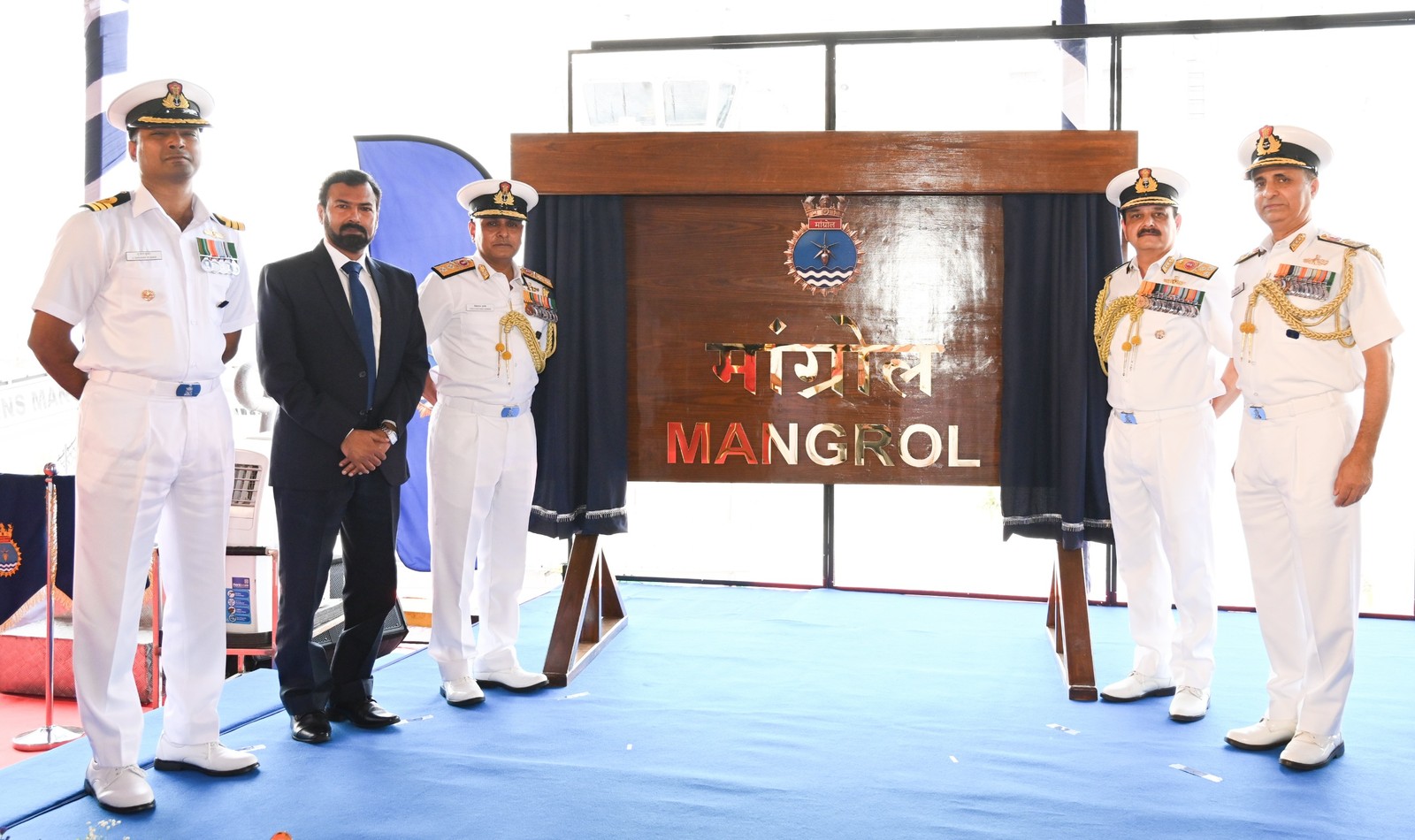
INS Mangrol Commissioning Turns Shallow-Water Defence Into A Shipbuilding Signal
The third Mahe-class ASW shallow-water craft has joined the Navy with more than 80 percent indigenous content and a coastal-submarine focus.
Bokaro Gas Deaths Put Industrial Safety Back Under The 72-Hour Clock
Two men died after gas exposure at ESL Steel's Bokaro plant, with the district administration ordering a site report within 72 hours.
