INS Mangrol Commissioning Turns Shallow-Water Defence Into A Shipbuilding Signal
The third Mahe-class ASW shallow-water craft has joined the Navy with more than 80 percent indigenous content and a coastal-submarine focus.
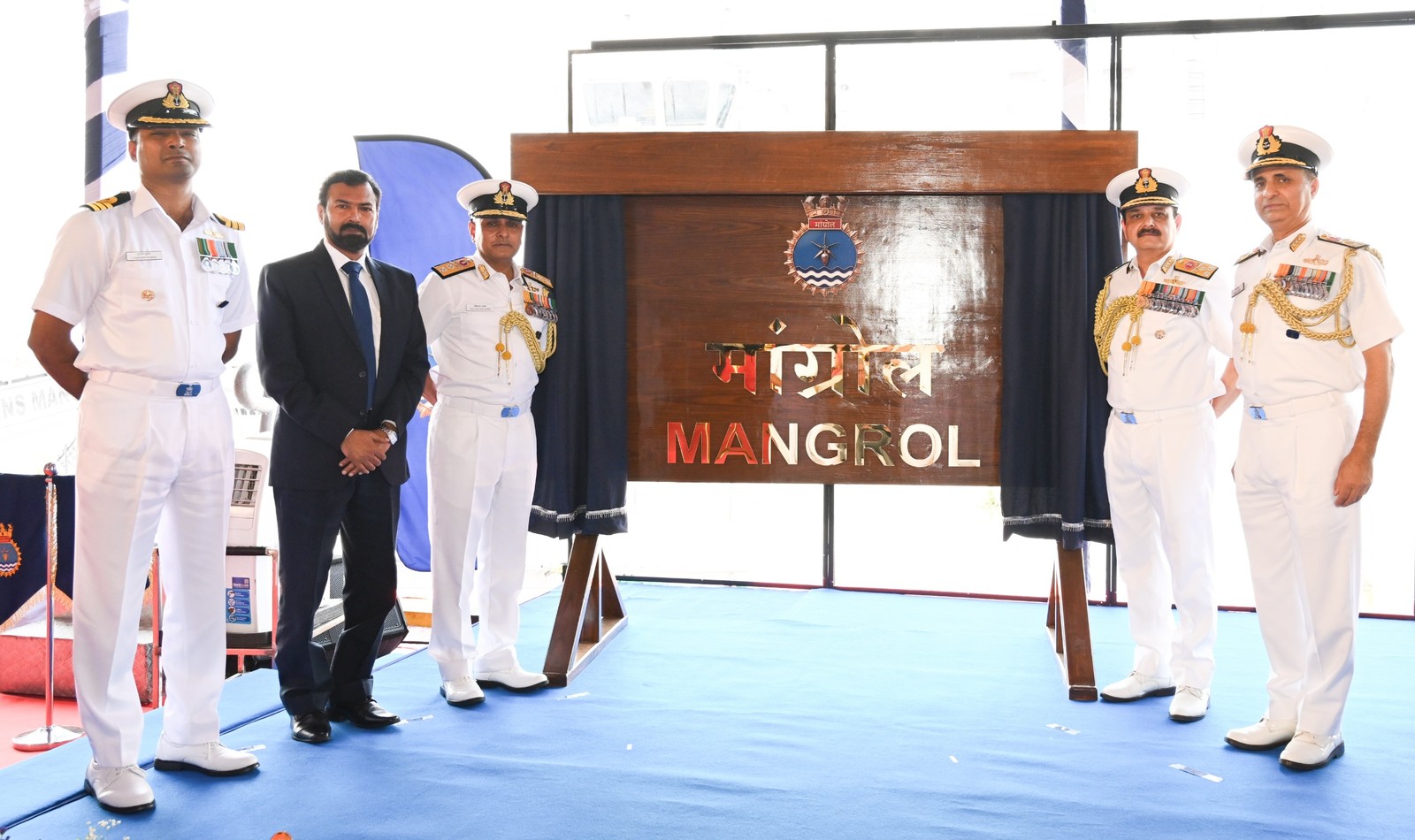
INS Mangrol's commissioning is a defence story with a manufacturing lesson inside it. The Indian Navy commissioned the third Mahe-class Anti-Submarine Warfare Shallow Water Craft at the Naval Dockyard in Mumbai on October 12, adding another indigenous vessel to its coastal security fleet.
The Ministry of Defence said the ceremony was presided over by Vice Admiral Sanjay Vatsayan, Flag Officer Commanding-in-Chief, Western Naval Command. The ship has been designed and constructed by Cochin Shipyard Limited in Kochi and carries more than 80 percent indigenous content.
The vessel's role is specific and important. It is designed for coastal and shallow-water operations, including anti-submarine warfare, underwater surveillance, low-intensity maritime operations and mine-warfare-related tasks. Those are not headline-grabbing missions, but they are central to keeping littoral waters secure.
Mangrol's equipment profile also shows where naval modernisation is moving. The Navy highlighted advanced sensors, sonar and weapon systems that help detect, track and counter underwater threats in difficult shallow-water conditions. A waterjet propulsion layout is meant to give the ship manoeuvrability and rapid response in confined waters.
The manufacturing signal is just as important as the operational one. Indigenous warship construction is no longer only about final assembly. It depends on design capacity, suppliers, electronics, propulsion, weapons integration, testing, certification and a network of small and medium industries that can meet defence standards.
That ecosystem is why a smaller anti-submarine craft matters. Large aircraft carriers and destroyers attract attention, but coastal platforms create steady demand for local shipyards and component makers. They also give the Navy a younger fleet mix for roles that must be performed close to shore.
Mangrol therefore represents more than another hull entering service. It is a sign that India's self-reliance push is being measured in serial production and specialist capability. The challenge now is to keep delivery timelines, maintenance readiness and supplier quality strong enough that indigenous content becomes a practical advantage, not only a ceremonial phrase.
Related Stories
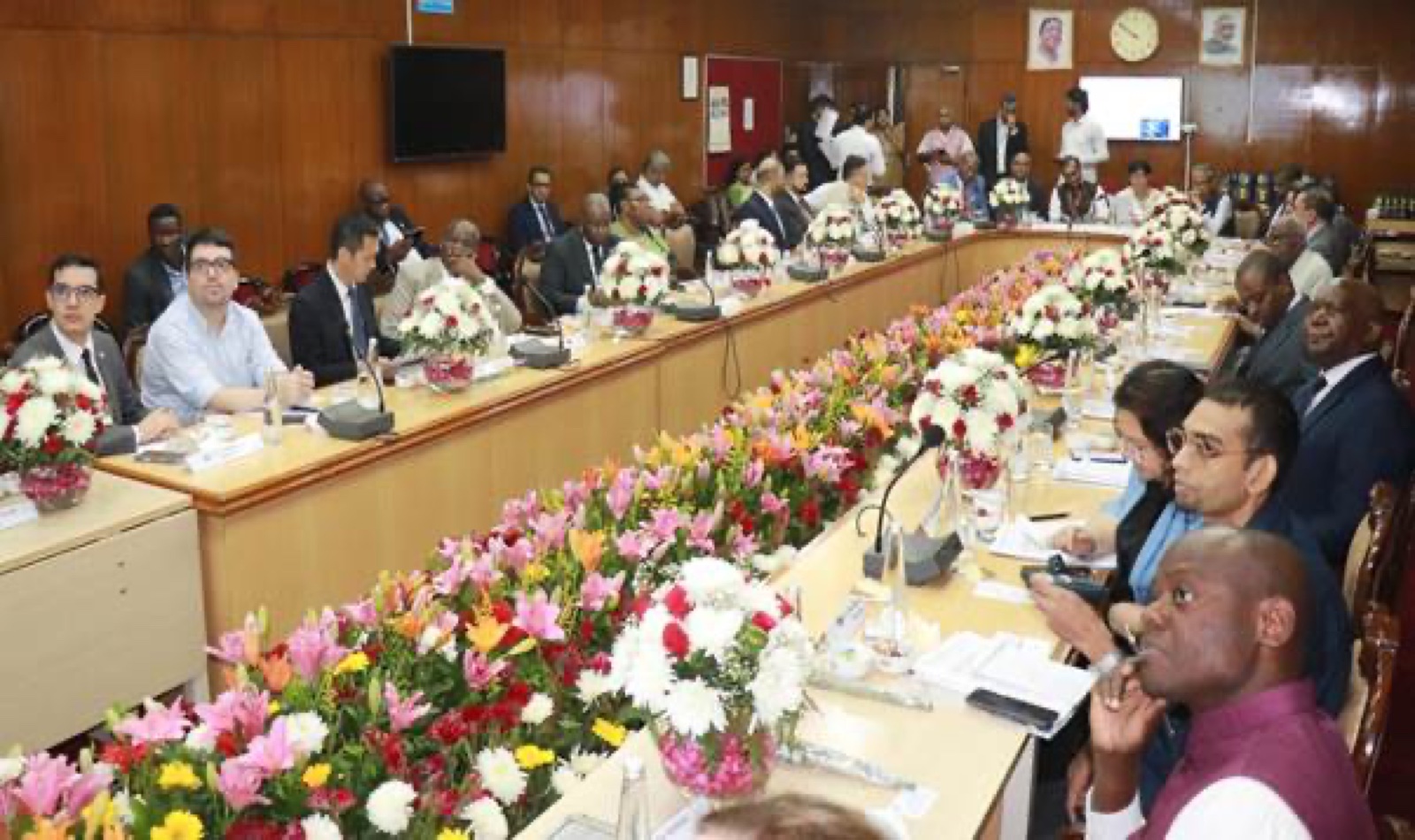
CSIR Opens a Practical Science-Diplomacy Channel for Global South Partners
A new MEA–CSIR programme brought representatives from 29 countries into New Delhi laboratories to examine collaboration around infrastructure, genomics and healthcare.

Bokaro Gas Deaths Put Industrial Safety Back Under The 72-Hour Clock
Two men died after gas exposure at ESL Steel's Bokaro plant, with the district administration ordering a site report within 72 hours.

Centre Summons Meta Global Team To New Delhi Over CSAM, AI Content And Account Restrictions
The Indian government has escalated its scrutiny of Meta, calling the company's global team to New Delhi for meetings on August 5 and 6 over child-safety...
