Bokaro Gas Deaths Put Industrial Safety Back Under The 72-Hour Clock
Two men died after gas exposure at ESL Steel's Bokaro plant, with the district administration ordering a site report within 72 hours.
The deaths of two men at ESL Steel's Bokaro plant have put industrial safety back under immediate scrutiny. Officials said two persons died following gas exposure at the plant in Jharkhand's Bokaro district on Sunday, October 11, prompting the district administration to order a probe.
The incident occurred at ESL Steel Limited, Bokaro, a subsidiary of Vedanta Iron & Steel Limited. According to the official account reported by PTI, Chas Sub-Divisional Magistrate Pranjal Danda asked Executive Magistrate Jaya Kumari and Factory Inspector Shivanand Laguri to visit the site and submit a detailed report to the district administration within 72 hours.
That timetable matters. Industrial accidents often produce early condolences and broad promises, but the first few days are when evidence, maintenance records, worker accounts, gas-detection logs and emergency-response timelines need to be secured. A 72-hour site report should answer basic questions: what gas was involved, where the exposure happened, what alarms or controls existed, what personal protective equipment was required, and how quickly medical help reached the workers.
The Bokaro Superintendent of Police identified the deceased as Sohan Mahato and Samir Ansari. ESL's spokesperson said an unfortunate incident involving gas exposure had occurred at the plant, in which an executive of the company and a business partner engineer lost their lives. The company said it would conduct an independent investigation and take appropriate steps based on the findings.
Compensation is also part of the official response. Bokaro Deputy Commissioner Ajay Nath Jha said the Labour Superintendent would ensure that adequate compensation is paid to the next of kin of the deceased as per law. That is necessary, but compensation cannot be the end of the matter.
Heavy industry depends on invisible safeguards. Gas monitoring, permit-to-work systems, confined-space protocols, emergency drills and contractor safety training are not dramatic until they fail. When they do, the people most exposed are often frontline workers and partner-company personnel who move between plant systems and local labour conditions.
The public should be careful not to jump ahead of the investigation. The specific gas and cause of death had not been established in the early reports. But the absence of confirmed details is exactly why the probe must be transparent and technical.
For India's industrial sector, the Bokaro deaths are a warning against treating safety as paperwork. Production targets, maintenance shutdowns and contractor management all need hard checks. The 72-hour report will be the first test of whether this incident leads to clear accountability or fades into another file after the initial outrage.
Related Stories
CSIR Opens a Practical Science-Diplomacy Channel for Global South Partners
A new MEA–CSIR programme brought representatives from 29 countries into New Delhi laboratories to examine collaboration around infrastructure, genomics and healthcare.
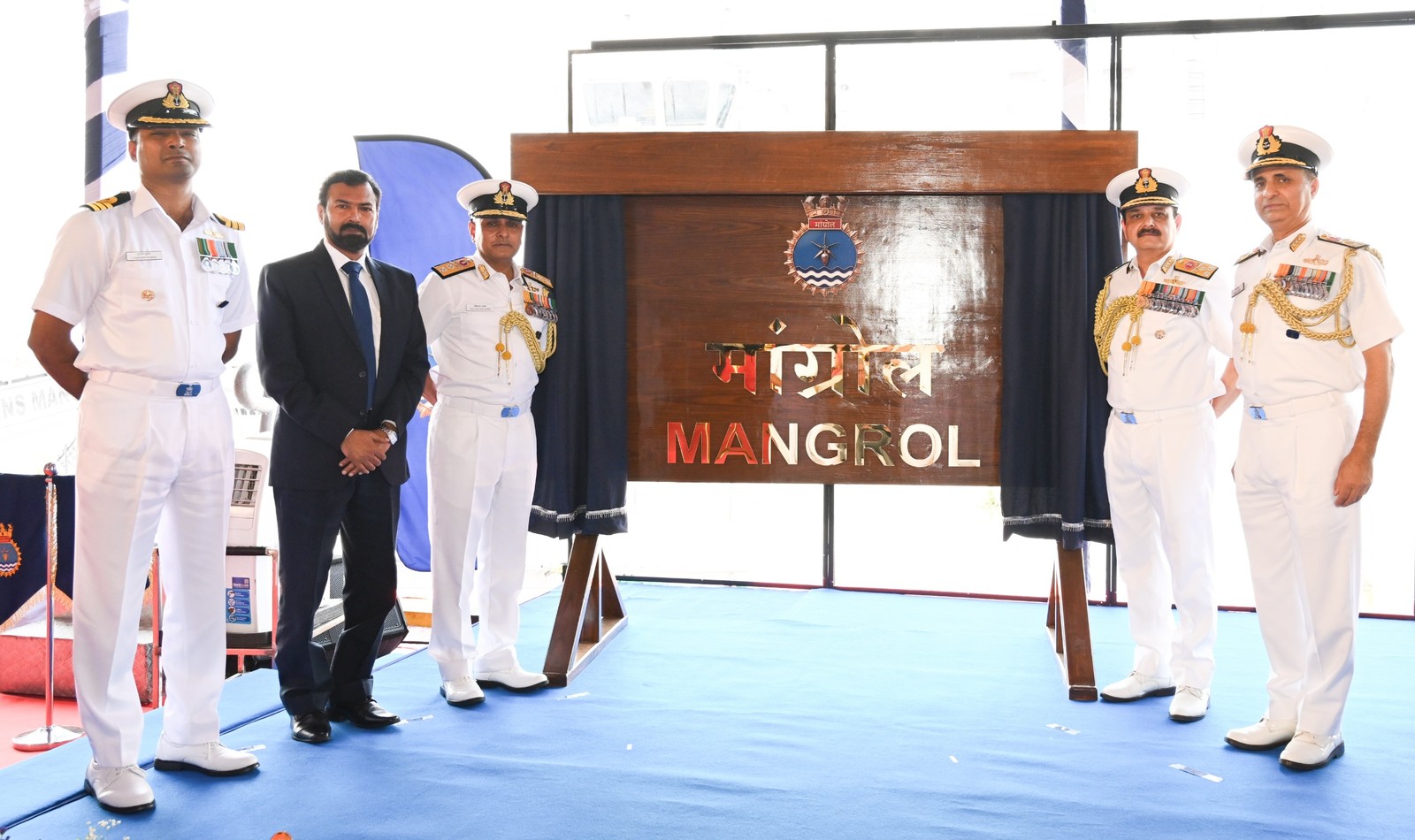
INS Mangrol Commissioning Turns Shallow-Water Defence Into A Shipbuilding Signal
The third Mahe-class ASW shallow-water craft has joined the Navy with more than 80 percent indigenous content and a coastal-submarine focus.

Centre Summons Meta Global Team To New Delhi Over CSAM, AI Content And Account Restrictions
The Indian government has escalated its scrutiny of Meta, calling the company's global team to New Delhi for meetings on August 5 and 6 over child-safety...
