Misir Besra Arrest Gives Jharkhand Security Forces A High-Value Maoist Breakthrough
The arrest of Misir Besra has given security forces in Jharkhand one of their most significant Maoist-related breakthroughs of the year.

The arrest of Misir Besra has given security forces in Jharkhand one of their most significant Maoist-related breakthroughs of the year. The Indian Express reported that Besra, described as the last senior Maoist leader in Jharkhand and a leader carrying bounties worth Rs 1 crore, was arrested on Tuesday. Four other men were also arrested, including two Maoists identified in the report as Tumba Manjhi and Biren Hansda. The arrest matters because Besra was not a low-level operative. Police records cited by the report place him inside the CPI (Maoist) central command structure.
The operation involved CoBRA, the Commando Battalion for Resolute Action within the Central Reserve Police Force, which is trained for jungle warfare and guerrilla-style operations. That detail is important because the areas associated with Besra's recent activity are not ordinary policing environments. The Indian Express reported that he was believed to have been active in the Kolhan and Saranda regions and, in recent months, around the Parasnath hill area. These are difficult forested and hilly belts where security operations depend on local intelligence, mobility, and long-duration coordination between state and central forces.
Besra's arrest also follows a separate surrender by 16 Maoists in Ranchi under Jharkhand's surrender and rehabilitation policy. Police said those who surrendered had been active in the Kolhan-Saranda forests and Latehar district, and had worked with teams linked to Besra and another central committee member, Asim Mandal. Taken together, the arrest and surrender suggest pressure on remaining armed networks in the state. They do not mean the conflict is over, but they do point to a weakening of senior field leadership in a region where Maoist activity has survived repeated security pushes.
The verified background adds weight to the development. Besra, from Madnadih in Giridih district, entered the Maoist movement in the mid-1980s and was known by several aliases, including Sunirmal, Bhaskar, Sagar and Pradhan. Over nearly four decades, he rose through the ranks and helped build organisational and armed structures in Jharkhand. The Indian Express reported that he has been linked to at least two major attacks that killed 55 security personnel. That history is why police are expected to treat his interrogation as a source of operational intelligence as well as a legal process.
For Jharkhand, the immediate question is what the arrest reveals about the remaining network. Police have not disclosed where Besra will be interrogated, and that restraint is understandable while follow-up operations may be underway. If investigators can identify couriers, shelter networks, weapons routes, financing channels, and pressure points inside forest-area commands, the arrest could have consequences beyond one case file. If the network had already shifted responsibilities to younger cadres, the impact may be narrower and slower to show.
The public significance is still clear. The arrest combines a high-value target, a specialist security operation, and a broader surrender pattern. It also arrives at a time when governments are trying to present Maoist influence as shrinking, while affected districts still face real security and development challenges. The careful reading is this: Besra's arrest is a major operational gain for the state, but the test is whether it translates into safer local conditions, fewer armed incidents, and credible rehabilitation options for lower-level cadres who may now be reassessing their future.
Related Stories

CSIR Opens a Practical Science-Diplomacy Channel for Global South Partners
A new MEA–CSIR programme brought representatives from 29 countries into New Delhi laboratories to examine collaboration around infrastructure, genomics and healthcare.
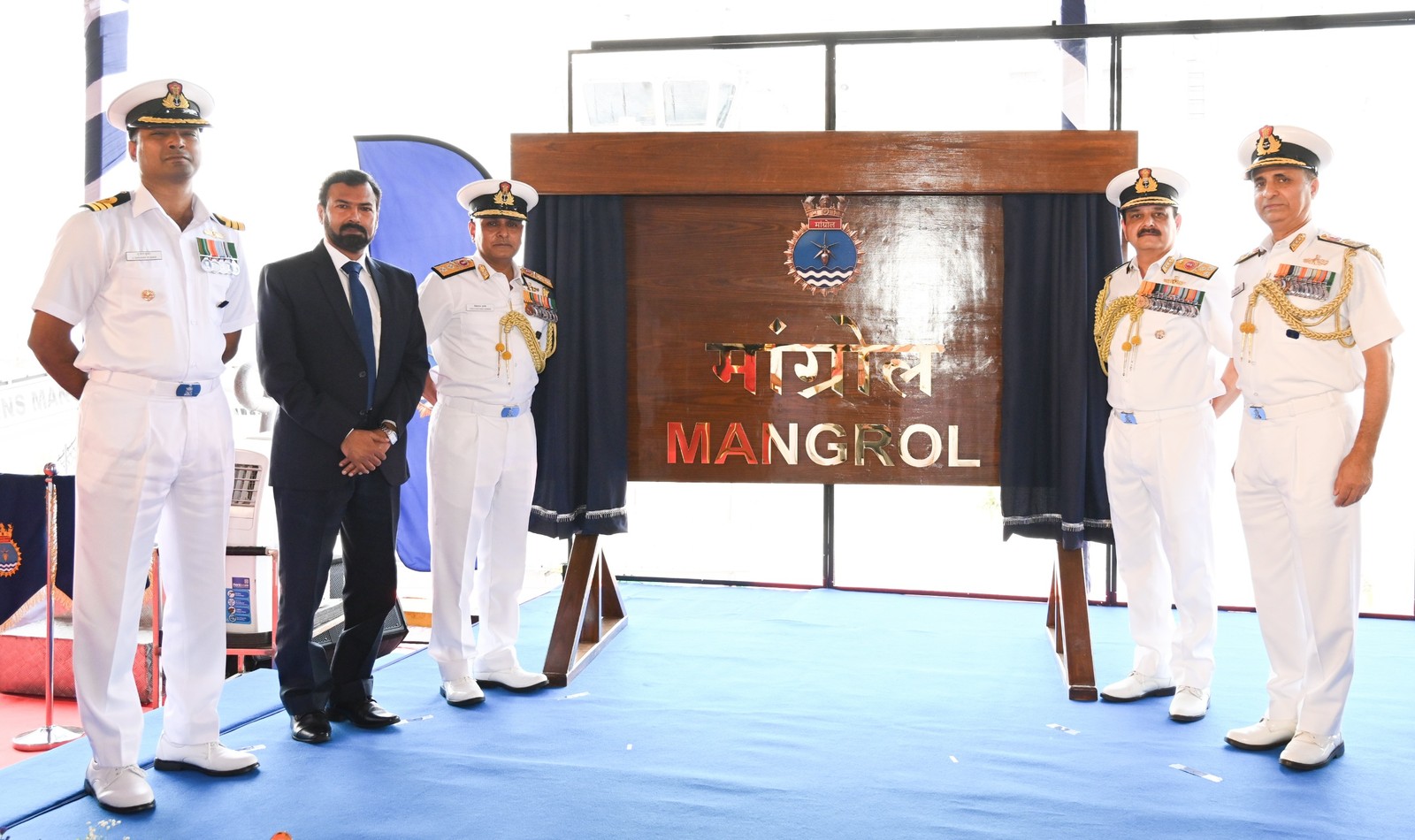
INS Mangrol Commissioning Turns Shallow-Water Defence Into A Shipbuilding Signal
The third Mahe-class ASW shallow-water craft has joined the Navy with more than 80 percent indigenous content and a coastal-submarine focus.

Bokaro Gas Deaths Put Industrial Safety Back Under The 72-Hour Clock
Two men died after gas exposure at ESL Steel's Bokaro plant, with the district administration ordering a site report within 72 hours.
