Mumbai Pride Film Festival Puts Culture, Inclusion And Audience Choice In Focus
Mumbai's LGBTQIA+ cultural calendar has been in the spotlight through KASHISH Pride Film Festival, giving audiences a week of cinema, discussion and community visibility.
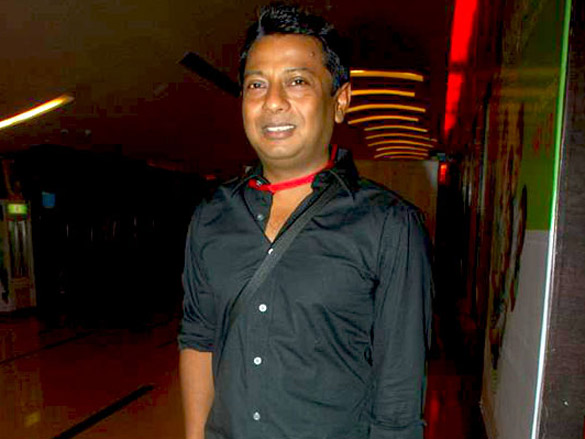
Mumbai's LGBTQIA+ cultural calendar has been in the spotlight through KASHISH Pride Film Festival, giving audiences a week of cinema, discussion and community visibility at a time when representation remains both celebrated and contested. KASHISH is one of South Asia's major queer film festivals, and entertainment coverage has tracked its annual role in bringing international and Indian films to Mumbai audiences.
The lifestyle significance of a festival like KASHISH goes beyond the number of films screened. It creates a public space where queer stories are not treated as side plots or token characters, but as the centre of artistic attention. That matters in a media environment where visibility can still be uneven, especially for regional, trans, non-binary and working-class experiences. A curated film festival can widen the range of stories that audiences encounter.
For Mumbai, the festival also fits into the city's identity as a cinema capital. The city is home to major production houses, actors, technicians, critics, students and film lovers. A queer film festival in Mumbai therefore does not sit outside the mainstream cultural ecosystem; it speaks directly to it. It asks filmmakers and audiences to consider whose stories are funded, marketed, reviewed and remembered.
The audience experience is part of the story. Festivals create conversations in queues, post-screening discussions, panels and informal meetings. For some viewers, especially younger people or those without supportive social circles, attending a queer film event can be a rare moment of safety and recognition. For allies, it can be a chance to listen without reducing queer lives to headlines about law, morality or controversy.
There is also an industry angle. Short films, documentaries and independent features often use festivals to find audiences before wider distribution. A strong response at a festival can help a filmmaker secure attention, partnerships or future funding. In that sense, festivals are not only cultural showcases; they are part of the pipeline that decides which stories travel further.
India's legal and social landscape around LGBTQIA+ rights remains complex. Public representation has improved in some spaces, but discrimination, family pressure, workplace concerns and access issues remain real. Cultural events cannot solve those structural problems alone. What they can do is create visibility, language and empathy, which often shape the climate in which policy and social change become possible.
The most useful way to view KASHISH is as both celebration and infrastructure. It celebrates stories that might otherwise struggle for mainstream attention, and it builds infrastructure for filmmakers, audiences, critics and community groups to meet each other. That combination is why the festival remains relevant year after year.
For readers looking at India's lifestyle calendar, the lesson is that culture is not a soft side issue. What people watch, discuss and recommend affects how communities are seen. A festival screen in Mumbai can become a public mirror, reflecting lives that deserve more than occasional debate. As the latest edition moves through its program, its impact will be measured not only in screenings, but in the conversations audiences carry out of the theatre.
Related Stories

Handloom Hackathon At IIT Delhi Showcases AI And Market Tools For India's Weaver Economy
Handloom Hackathon 2.0 has concluded at IIT Delhi with the Ministry of Textiles using the event to push a practical message: India's handloom economy needs technology that helps weavers...
Food Safety Data Turns Everyday Indian Groceries Into A Trust Question
India's food safety debate has moved from specialist regulation into everyday household trust, with nearly one in six food samples tested in FY26 failing safety and quality checks.
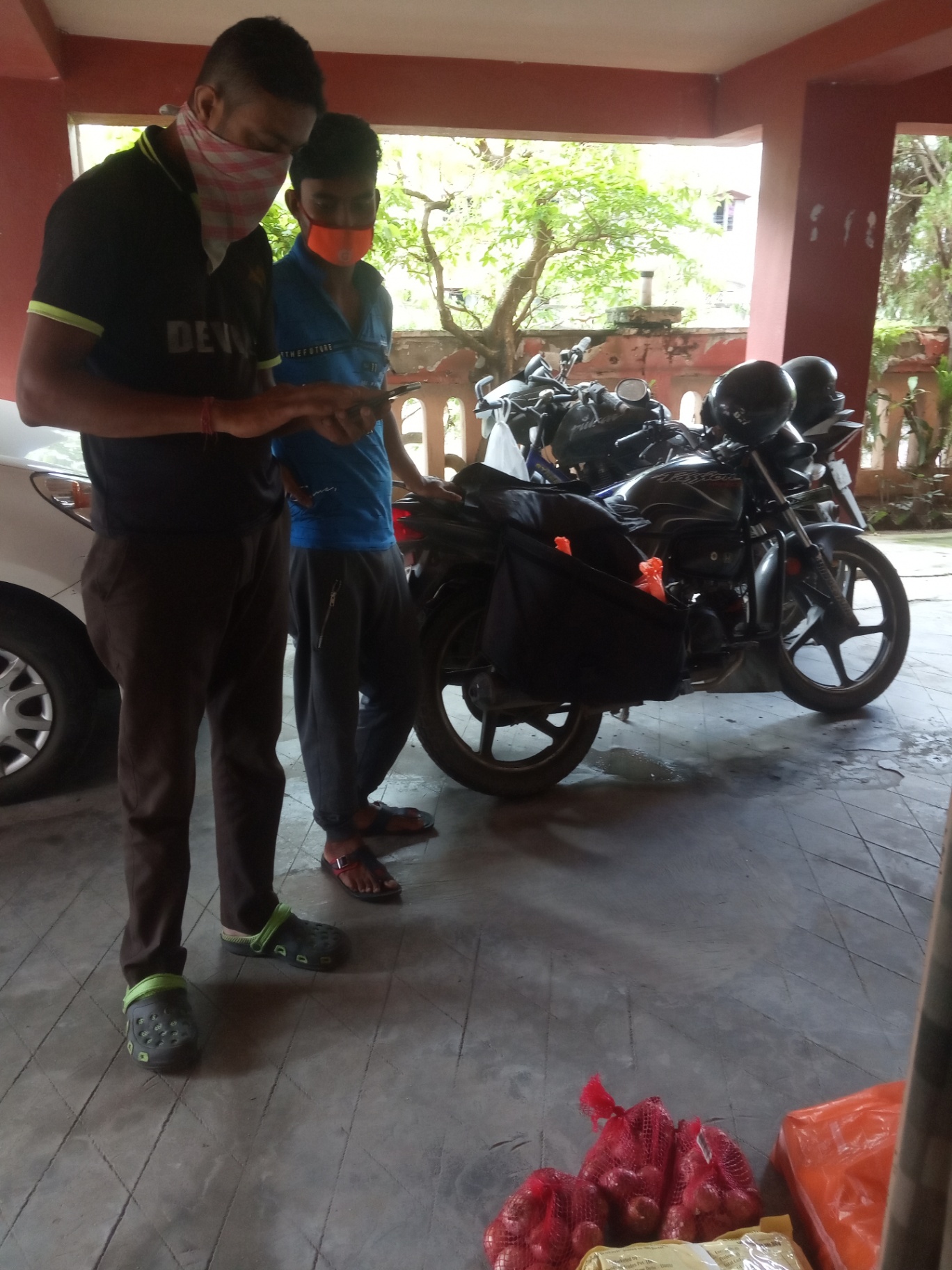
Quick Commerce Is Changing How Indian Cities Eat, Shop And Plan Dinner
Quick commerce has moved from novelty to habit in many Indian cities, changing how households buy snacks, groceries, beverages and last-minute dinner ingredients.
