Quick Commerce Is Changing How Indian Cities Eat, Shop And Plan Dinner
Quick commerce has moved from novelty to habit in many Indian cities, changing how households buy snacks, groceries, beverages and last-minute dinner ingredients.
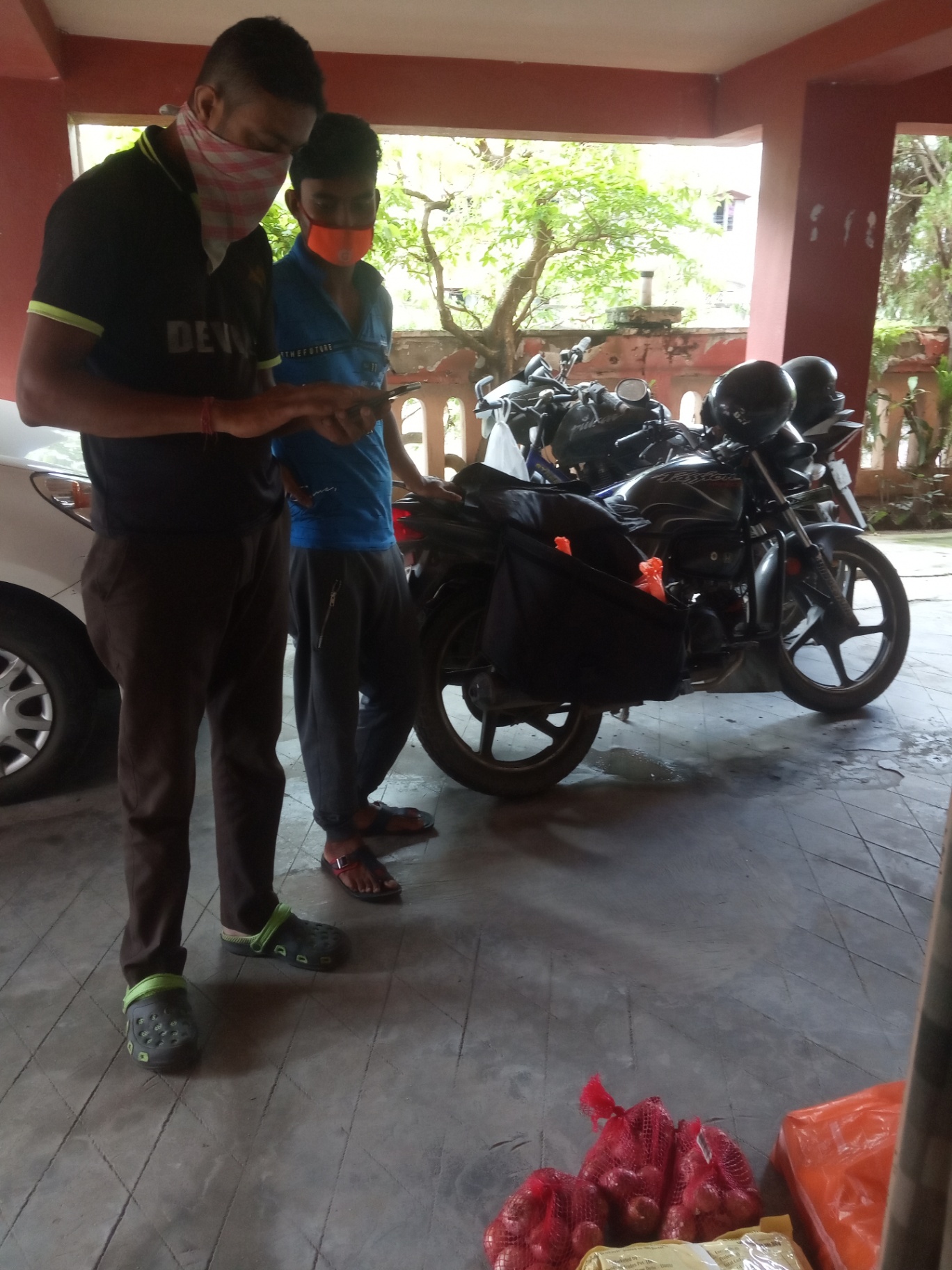
Quick commerce has moved from novelty to habit in many Indian cities, changing how households buy snacks, groceries, beverages and last-minute dinner ingredients. Business coverage has followed the broader competition among delivery platforms, retailers and consumer companies as 10-minute and rapid-delivery models expand. For the food and drink sector, the change is not just about faster delivery. It is about how demand is created, measured and served at neighbourhood level.
A decade ago, a missing ingredient often meant a walk to the kirana store or a change in the dinner plan. Today, urban customers in many areas can order milk, bread, fruit, soft drinks, ice cream, masala, ready-to-cook snacks or party supplies from a phone and receive them quickly. That convenience changes household behaviour. People keep smaller inventories, plan less rigidly and rely more on platforms for impulse and emergency purchases.
Restaurants are also affected, even when they are not the direct seller. If a household can assemble snacks, drinks and dessert from quick commerce within minutes, the decision between cooking, ordering restaurant food and creating a hybrid meal becomes more fluid. A family might order biryani from one app, drinks from a quick-commerce platform and dessert from a nearby store. The evening meal becomes a coordinated delivery event rather than one transaction.
For food brands, quick commerce can be a powerful discovery channel. A new beverage, chocolate, frozen snack or ready-to-eat product can appear in app carousels at exactly the moment a customer is hungry. That is valuable shelf space, but it is also expensive and data-driven. Brands must compete on availability, discounts, packaging, delivery durability and platform visibility, not only taste.
For local shops, the impact is mixed. Some kirana stores can benefit by becoming fulfilment partners or by adapting to faster expectations. Others may lose impulse purchases if customers shift to app-based convenience. The question is not whether neighbourhood retail disappears, but how it responds. Trust, credit relationships, local knowledge and personal service remain strengths that apps cannot fully copy.
There are labour and city-planning questions too. Rapid delivery depends on riders, dark stores, inventory systems and dense routing. If the promise is speed, the pressure often lands on workers and local streets. Platforms and regulators need to ensure that convenience does not come at the cost of unsafe riding, unfair incentives or poorly managed storage spaces in residential neighbourhoods.
For consumers, the healthiest approach is to treat quick commerce as a tool, not a default. It can reduce stress when guests arrive, when a child needs school snacks, when cooking is already underway or when mobility is limited. But constant impulse ordering can raise household spending and increase packaging waste. Convenience is useful when it is intentional.
The food story is therefore bigger than delivery speed. Quick commerce is changing pantry habits, brand launches, restaurant choices, neighbourhood retail and the economics of small cravings. Indian cities have always eaten through a mix of home cooking, street food, restaurants and local shops. Rapid delivery is now another layer in that mix, and its long-term impact will depend on whether it can balance convenience with fair work, sensible consumption and sustainable local retail.
Related Stories

Handloom Hackathon At IIT Delhi Showcases AI And Market Tools For India's Weaver Economy
Handloom Hackathon 2.0 has concluded at IIT Delhi with the Ministry of Textiles using the event to push a practical message: India's handloom economy needs technology that helps weavers...
Food Safety Data Turns Everyday Indian Groceries Into A Trust Question
India's food safety debate has moved from specialist regulation into everyday household trust, with nearly one in six food samples tested in FY26 failing safety and quality checks.

Mumbai Pride Film Festival Puts Culture, Inclusion And Audience Choice In Focus
Mumbai's LGBTQIA+ cultural calendar has been in the spotlight through KASHISH Pride Film Festival, giving audiences a week of cinema, discussion and community visibility.
