Food Safety Data Turns Everyday Indian Groceries Into A Trust Question
India's food safety debate has moved from specialist regulation into everyday household trust, with nearly one in six food samples tested in FY26 failing safety and quality checks.
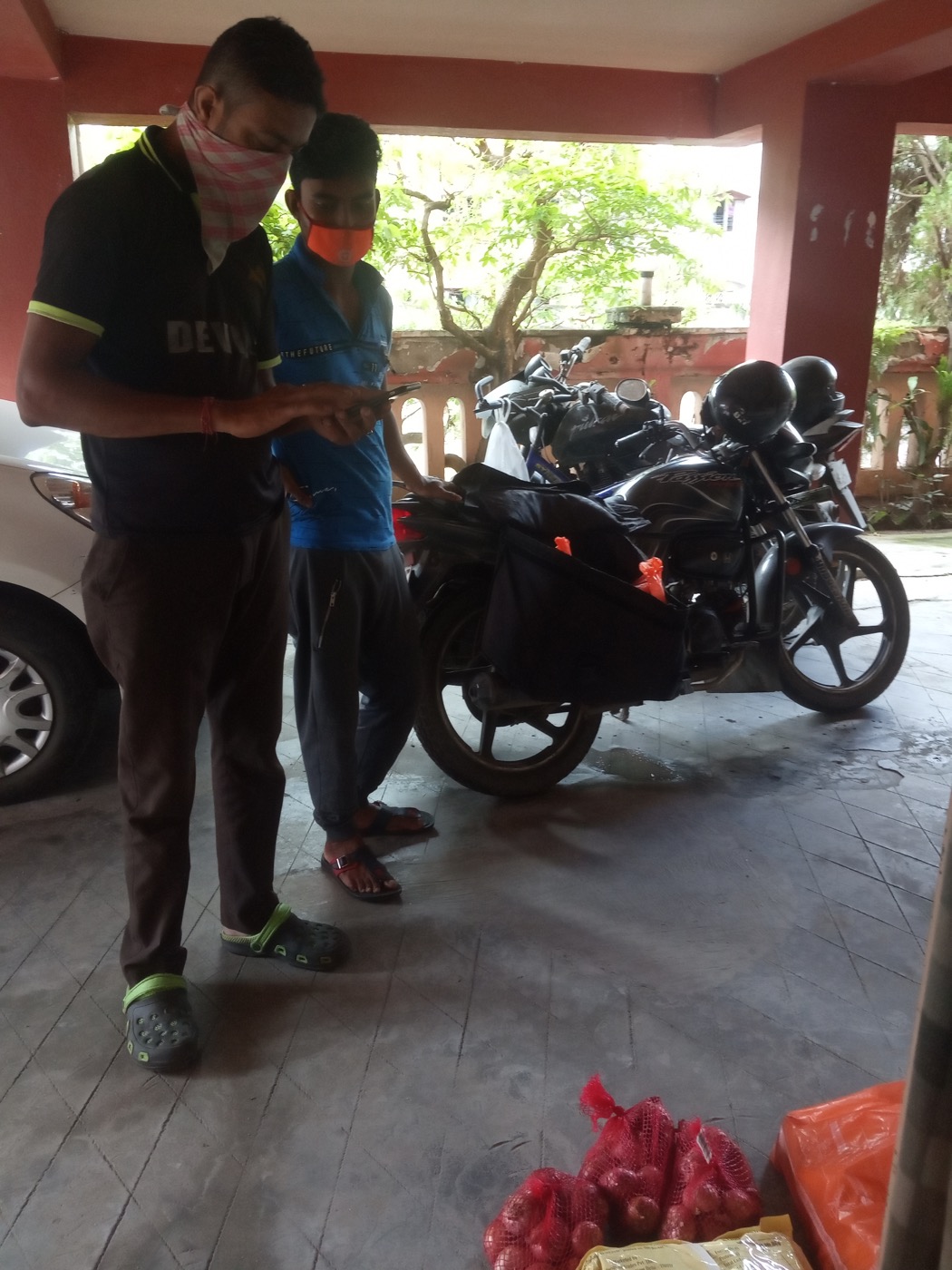
India's food safety debate has moved from specialist regulation into everyday household trust. NDTV reported on 8 June that nearly one in every six food samples tested in FY26 failed safety and quality checks, citing the figure in the context of World Food Safety Day. The report framed the issue around staples that consumers use without much thought: milk, paneer, cereals, pulses, spices, roasted snacks and packaged foods.
The statistic matters because food safety is not only about a failed laboratory test. It is about whether families can trust routine purchases. A household can compare prices and brands, but it cannot easily detect adulteration, pesticide residues, heavy metals, artificial dyes or contamination through ordinary inspection. That information gap is what makes food regulation so important. When trust weakens, even compliant businesses and honest vendors suffer because consumers become suspicious of the whole category.
NDTV quoted experts warning that counterfeit and substandard products create health risks, weaken consumer confidence and impose economic costs. The health risk is direct: unsafe food can cause food poisoning, gastrointestinal disorders and longer-term harm when contaminants accumulate. Children, elderly people and lower-income consumers are especially vulnerable because they may have fewer choices and less access to reliable testing or medical care.
There is also an urban food-system angle. India now buys food through supermarkets, kirana stores, quick-commerce apps, delivery platforms, workplace cafeterias, restaurants and street vendors. That variety gives consumers convenience, but it also makes supply chains harder to monitor. A packet may pass through farms, processors, warehouses, delivery networks and last-mile handlers before reaching a kitchen. Each stage can either protect or weaken safety.
The informal food economy is part of the challenge. Millions of small operators feed India every day, and many do so responsibly. But uneven licensing, limited testing capacity, poor water quality, inconsistent cold chains and weak local enforcement can create gaps. Stronger rules on paper are not enough if local implementation is patchy. Regulators need testing networks, quick penalties for repeat offenders, and public reporting that consumers can understand.
Businesses have a commercial reason to act before regulators force them. NDTV's report noted that companies investing in quality controls can be hurt when non-compliant players damage the wider sector's reputation. Transparent sourcing, supplier audits, batch-level traceability, clear labelling and documented hygiene checks are not just compliance costs. They are trust-building tools.
Consumers still have a role, but they should not be made solely responsible for a systemic issue. Reading labels, checking expiry dates, buying from licensed vendors, refrigerating perishables, washing produce and avoiding damaged packaging are sensible habits. Reporting suspected unsafe products is also important. But consumers cannot test every food item. The state and industry must carry the heavier burden.
The clearest lesson from the FY26 testing figure is that food safety is now a public-confidence issue. People can tolerate occasional price increases or limited product choices. They are far less willing to tolerate uncertainty about what is in their food. Rebuilding trust will require enforcement, transparency and businesses willing to prove quality rather than merely advertise it.
Related Stories

Handloom Hackathon At IIT Delhi Showcases AI And Market Tools For India's Weaver Economy
Handloom Hackathon 2.0 has concluded at IIT Delhi with the Ministry of Textiles using the event to push a practical message: India's handloom economy needs technology that helps weavers...

Mumbai Pride Film Festival Puts Culture, Inclusion And Audience Choice In Focus
Mumbai's LGBTQIA+ cultural calendar has been in the spotlight through KASHISH Pride Film Festival, giving audiences a week of cinema, discussion and community visibility.
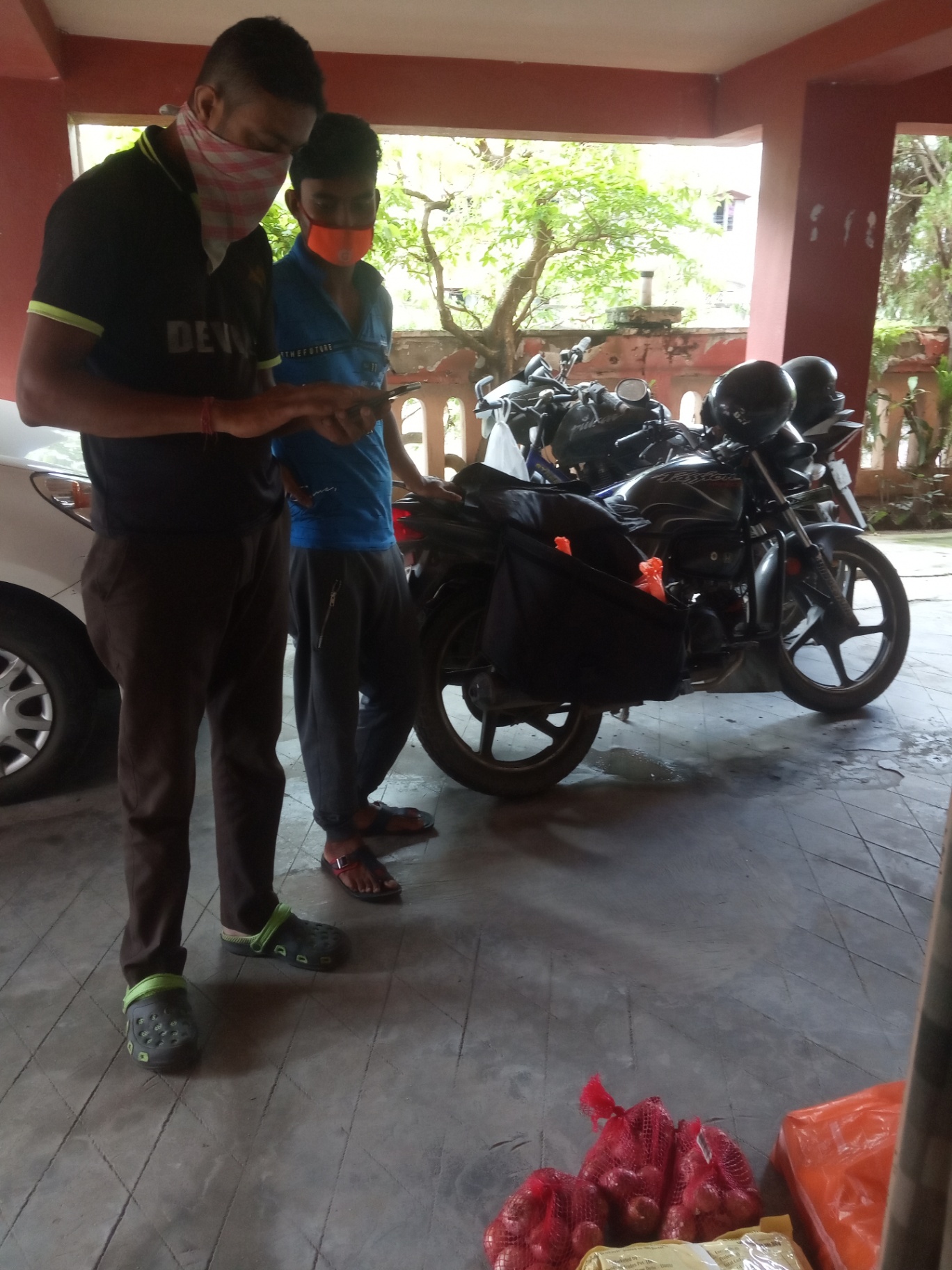
Quick Commerce Is Changing How Indian Cities Eat, Shop And Plan Dinner
Quick commerce has moved from novelty to habit in many Indian cities, changing how households buy snacks, groceries, beverages and last-minute dinner ingredients.
