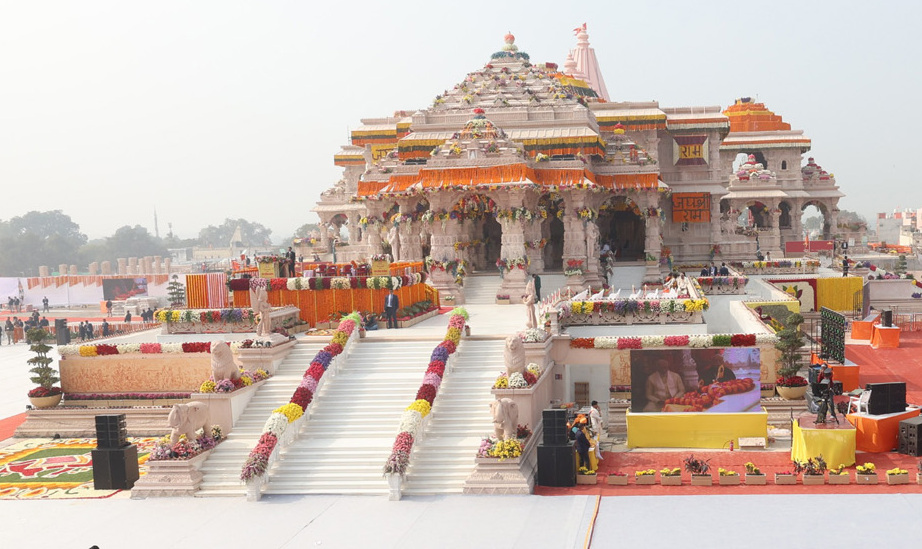
Rajya Sabha Scrutiny Puts June 18 Polls Into A Wider Test Of Political Arithmetic
The Election Commission of India's June calendar moved into its scrutiny stage on Tuesday, 9 June, giving parties another concrete deadline in a month of upper-house bargaining.
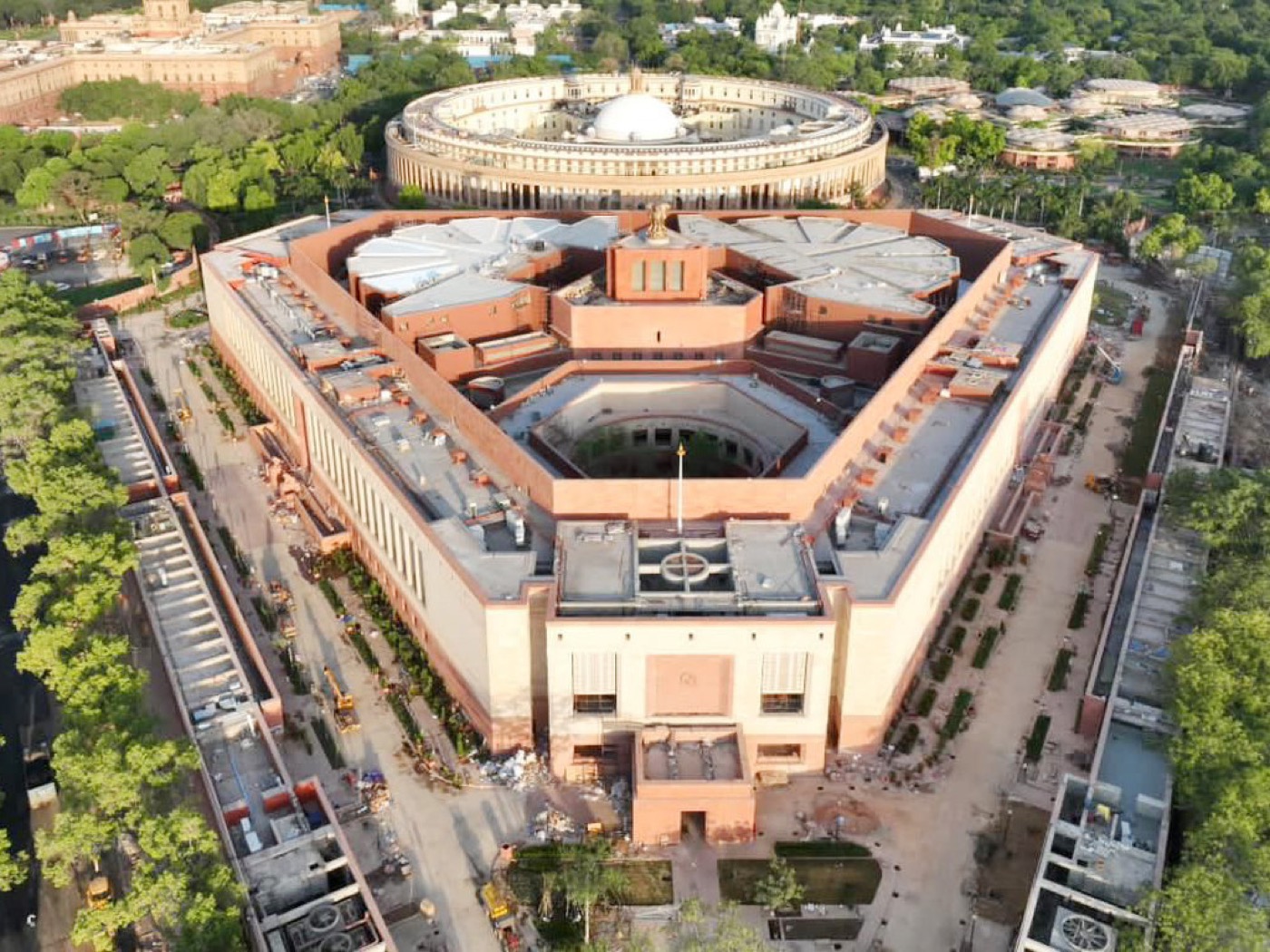
The Election Commission of India's June election calendar moved into its scrutiny stage on Tuesday, 9 June, giving parties another concrete deadline in a month of upper-house bargaining. In its press note dated 1 June, the Commission said nominations had opened for 27 Council of States seats, including 24 biennial vacancies across 10 states and three bye-elections in Maharashtra, Tamil Nadu and Odisha. It also listed State Legislative Council contests in Bihar and Karnataka. The last date for filing nominations was 8 June, scrutiny was fixed for 9 June, withdrawal for 11 June, and polling, if required, for 18 June from 8 am to 4 pm with counting at 5 pm.
These dates matter because Rajya Sabha contests are rarely just about the names on the ballot. They test coalition management, state assembly arithmetic, regional alliances and the ability of parties to keep their legislators aligned. In states where numbers are tight, even the scrutiny of nominations can become politically charged. A nomination that survives scrutiny may change bargaining power. A withdrawal before 11 June can signal a negotiated settlement. A contest that proceeds to 18 June can reveal whether declared alliances hold under pressure.
The Commission's press note named Andhra Pradesh, Gujarat, Jharkhand, Madhya Pradesh, Manipur, Meghalaya, Rajasthan, Arunachal Pradesh, Karnataka and Mizoram as the states involved in the 24 biennial Council of States seats. The spread is important. It means national parties have to manage negotiations across several political environments at once, while regional parties use their state-level strength to influence national representation. Upper-house elections often look procedural, but they can shape committee strength, legislative strategy and the government's ability to manage bills.
The bye-elections add another layer. Maharashtra, Tamil Nadu and Odisha each have a Council of States vacancy listed in the Commission note. Bye-elections are often read as local contests, but they can carry national consequences when parties are calculating floor strength or trying to send a symbolic candidate to Parliament. A single seat will not decide every national issue, but in a fragmented upper house, every seat affects the working margin.
Legislative Council contests in Bihar and Karnataka should not be treated as secondary. State upper houses influence regional legislation, political rehabilitation and local leadership pipelines. The Commission listed nine biennial Bihar council seats, seven Karnataka council seats, and one Bihar bye-election. These are the kinds of contests that can reward party organisation more than public campaign performance because the electorate is limited and the arithmetic is known.
For voters, the process can feel distant because Rajya Sabha members are elected by legislators, not directly by the public. That makes transparency around dates, nominations and results even more important. The Commission's calendar gives citizens and media a way to track the process step by step instead of treating the result as a sudden backroom announcement.
The next signal will come on 11 June, when withdrawals close. If several contests become uncontested, parties will present that as discipline or consensus. If contests remain, the 18 June vote will become a sharper test of legislative strength and alliance reliability. Either way, Tuesday's scrutiny stage marked the point where political claims began turning into formal electoral choices.
Related Stories

Supreme Court Orders Release Of Under-18 NEET Protesters And Digital Data Safeguards
The Supreme Court has turned the July 20 NEET protest policing row into a national accountability question by ordering immediate safeguards for detained young protesters and digital material collected during the demonstrations.
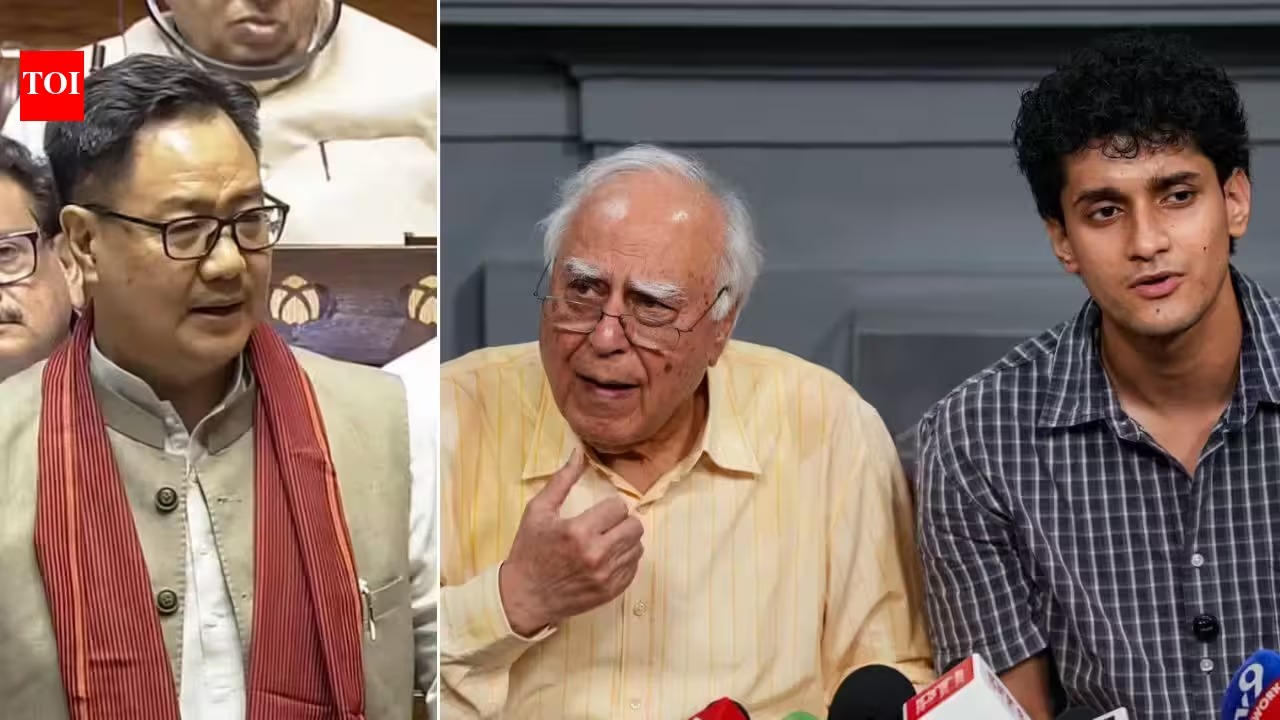
Parliament Adjourns As Anti-Paper Leak Bill Faces Opposition Uproar
Parliament ended Monday in another confrontation over public examinations after the government introduced the Public Examinations (Prevention of Unfair Means) Amendment Bill, 2026 and opposition MPs demanded a statement on alleged police action against student protesters.
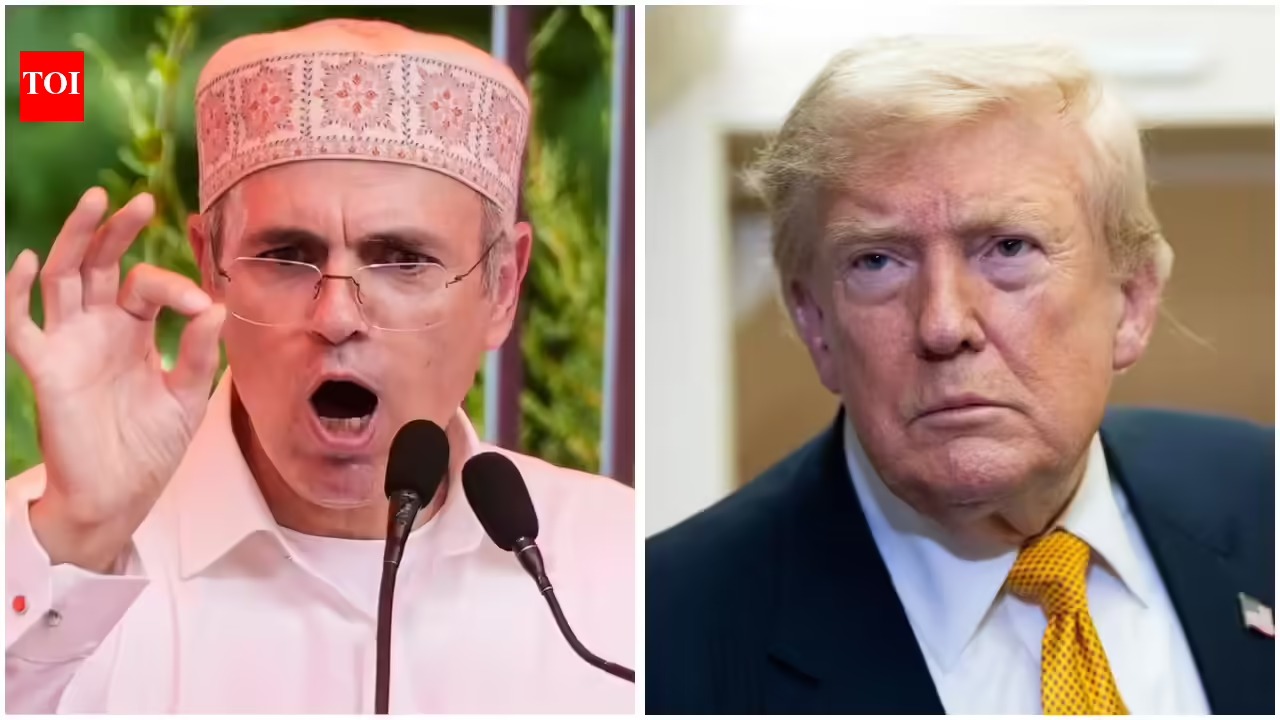
Omar Abdullah Announces July 20 Delhi Protest For Jammu And Kashmir Statehood
The National Conference will protest at Jantar Mantar on July 20, the opening day of Parliament's Monsoon Session, pressing the Centre for a statehood restoration timeline.