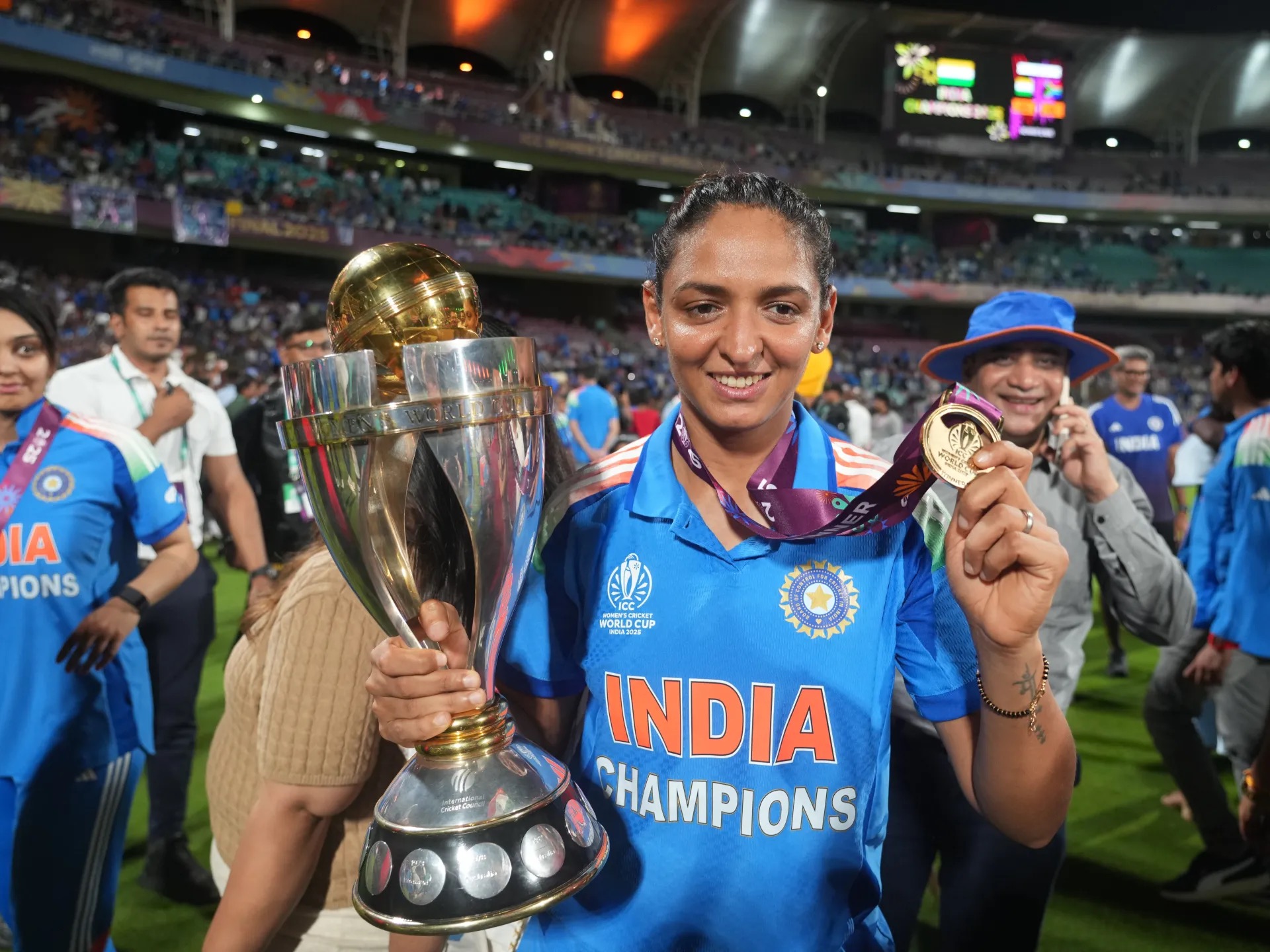
Neeraj Chopra And PT Usha Receive Commonwealth Games Flag As Ahmedabad 2030 Countdown Starts
India's Commonwealth Games story has shifted from Glasgow's medal table to Ahmedabad's delivery clock. The 2026 Games closed with a symbolic handover in which Olympic javelin...

India's Commonwealth Games story has shifted from Glasgow's medal table to Ahmedabad's delivery clock. The 2026 Games closed with a symbolic handover in which Olympic javelin champion Neeraj Chopra and Indian Olympic Association president PT Usha received the Commonwealth Games flag and ceremonial baton, marking the public start of India's countdown toward hosting the 2030 edition. The ceremony was more than a closing-night image. It placed Indian sport's next major organisational test in front of athletes, administrators, city planners, broadcasters and sponsors who now have four years to turn ambition into a workable Games.
India finished the Glasgow campaign fourth on the medal table with 39 medals, including 13 gold, 17 silver and nine bronze, according to major sports tallies published after the final day. The total was lower than some previous Indian Commonwealth Games performances, partly because the streamlined Glasgow programme did not include several disciplines where India traditionally expects returns. Even so, the campaign produced important highs across boxing, weightlifting, athletics, para sport and other events. Mirabai Chanu's continued excellence and Tejaswin Shankar's decathlon breakthrough were among the performances that gave the campaign a sharper competitive edge than the raw medal count alone suggests.
The handover to Ahmedabad changes the frame. Host countries are judged not only by medals but by transport, venues, athlete villages, ticketing, security, broadcast readiness, accommodation, civic management and the experience created for visiting teams. Ahmedabad will need to build a Games that is credible to Commonwealth sport while also fitting Indian conditions and public expectations. That means avoiding the familiar trap of treating the event as a single ceremony. The important work will sit in procurement, venue deadlines, test events, para-sport accessibility, volunteer training and transparent budgets.
For athletes, a home Games can be a powerful incentive. Indian federations now have a date around which to plan pathways for junior talent, sport science, exposure tours and selection systems. The country has seen how a major multi-sport event can lift attention for athletes outside cricket, but attention alone does not create medals. The next cycle will require federation stability, coaching depth, injury management and domestic competitions that are strong enough to prepare athletes for pressure at home. Ahmedabad 2030 will also test whether India can convert the excitement of a flag handover into sustained support for Olympic and Commonwealth disciplines.
The Games will also be judged by legacy. Ahmedabad will need venues that serve athletes after the closing ceremony, not just facilities that look impressive during the broadcast window. Schools, clubs, para-athletes and local federations should be able to use the investment after 2030 if the planning is disciplined. That is where major events often succeed or fail in public memory. A well-run Games can expand participation and civic pride; a poorly integrated one can leave expensive assets with narrow use. The handover gives India a chance to plan legacy from the start rather than explain it after the fact.
The public symbolism was therefore useful, but it was only the opening scene. Chopra and Usha receiving the flag gave India a clean image of continuity between performance and hosting. The deeper story now is whether officials can produce a Games that athletes trust, residents can live with and fans remember for competition rather than construction anxiety. Glasgow is over; Ahmedabad's clock has already started.
Related Stories
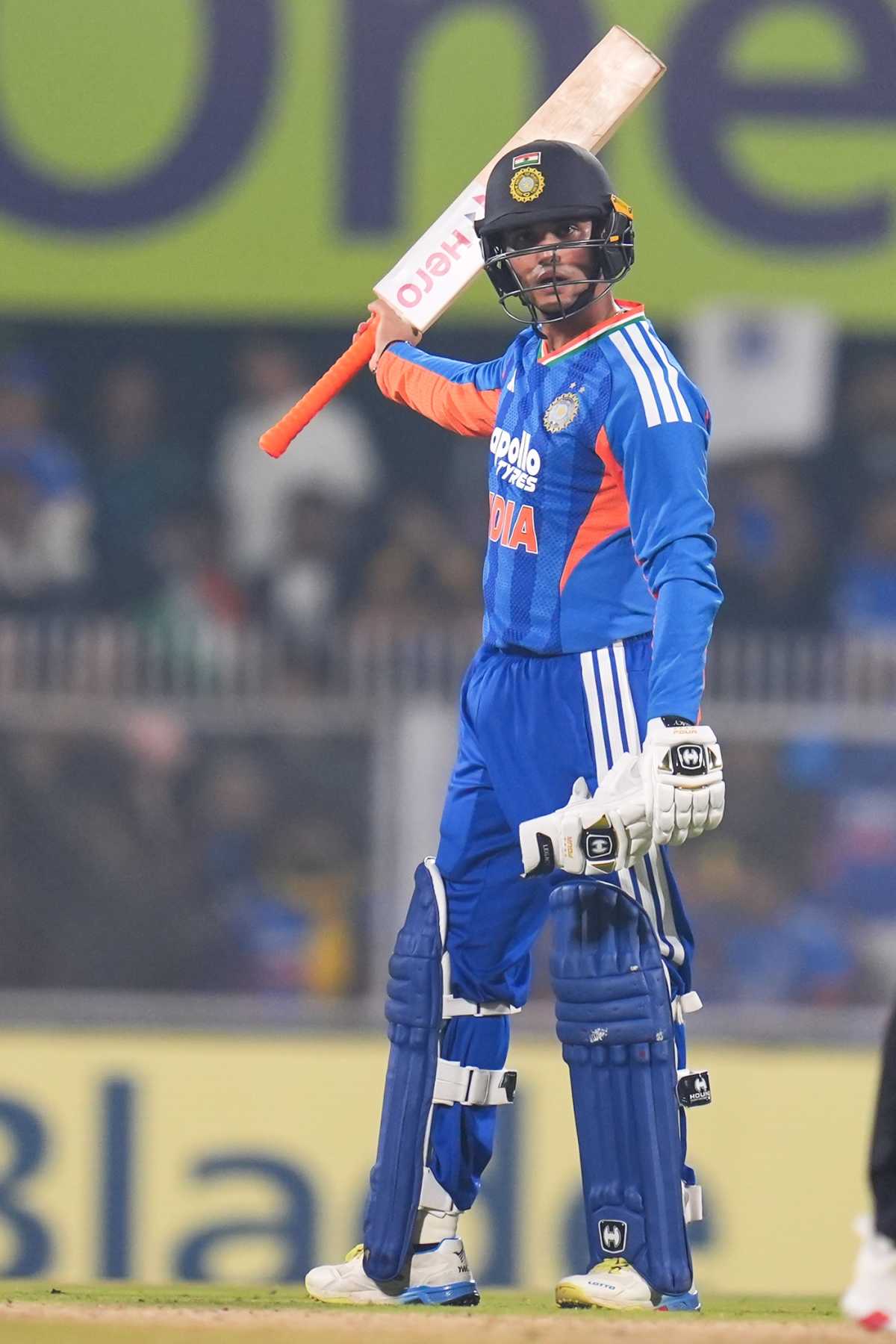
Abhishek And Arshdeep Turn Indore Run-Fest Into India's Control Test
India beat West Indies by 14 runs in the third T20I, taking a 2-1 series lead after Abhishek Sharma's 69 and Arshdeep Singh's 3 for 44.
Indore T20I Turns India's Fielding And Bowling Into The Real Test
With the series level at 1-1 after West Indies chased 250 in Ranchi, Sunday's third T20I at Holkar Stadium asks whether India can control a likely run-fest.
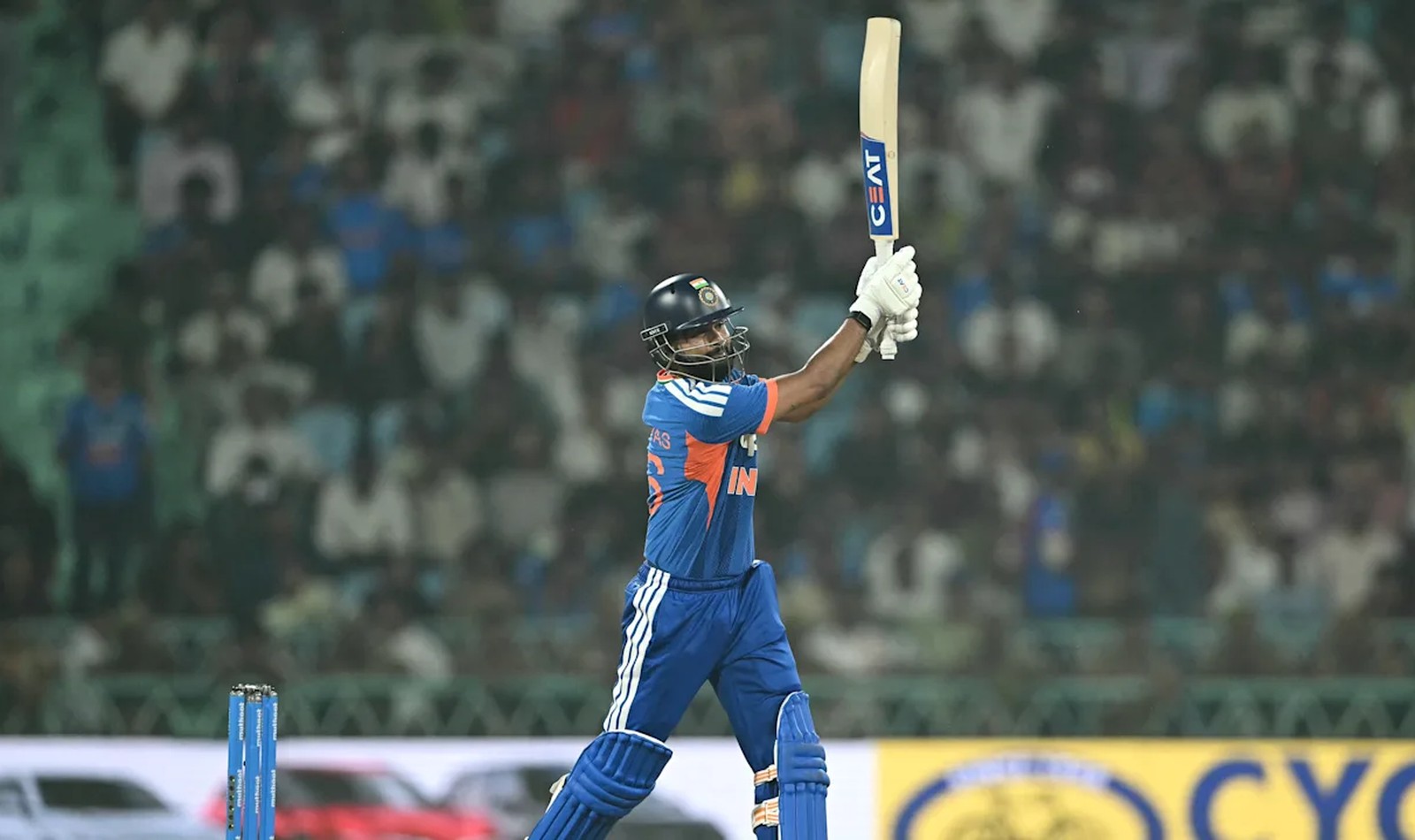
Shreyas Iyer's 42-Ball Century Gives India's T20 Run A Captain's Signature
India chased 172 with 32 balls to spare in Lucknow after Iyer rebuilt from 35 for 2 and completed his maiden T20I hundred as captain.