Oberoi Realty Launches Rs 6,000 Crore Three Sixty North Project In Gurugram
Oberoi Realty has launched Three Sixty North in Gurugram, marking its Delhi-NCR debut with an ultra-luxury residential project priced from Rs 18 crore and backed by a planned investment of about Rs 6,000 crore.
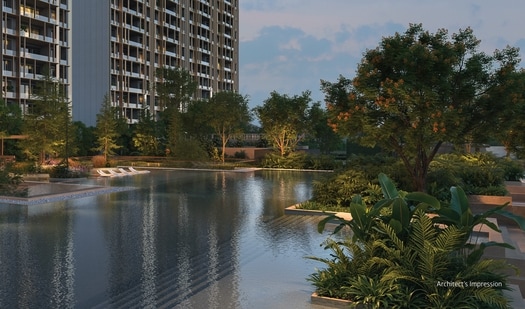
Oberoi Realty has launched Three Sixty North in Gurugram, marking its Delhi-NCR debut with an ultra-luxury residential project priced from Rs 18 crore and backed by a planned investment of about Rs 6,000 crore. The project is spread across 14.8 acres on Golf Course Extension Road in Sector 58, Gurugram, and draws inspiration from the company's Three Sixty West project in Mumbai. Oberoi Realty shares rose after the announcement.
The launch is a property story because it says something about how major developers view Delhi-NCR's premium housing market. Oberoi Realty has been strongly associated with Mumbai. Moving into Gurugram with an ultra-luxury product is not a small geographic experiment. It is a bet that the NCR market has enough wealth, corporate leadership, startup money, professional services income and aspiration to support homes that begin at a level far beyond ordinary upper-middle-class housing.
Gurugram's Golf Course Extension Road has become one of the most closely watched real-estate corridors in north India. It sits near corporate offices, private schools, hospitals, retail centres and emerging luxury housing clusters. Developers like the location because it can be sold as both connected and exclusive. Buyers like it when infrastructure, security, amenities and brand credibility line up. The challenge is that premium branding cannot hide everyday urban questions: traffic, construction quality, maintenance, water, air quality and access.
The Rs 18 crore starting price places Three Sixty North squarely in a segment where buyers are not only purchasing space. They are paying for brand trust, privacy, services, design and long-term asset confidence. For Oberoi Realty, the Delhi-NCR entry will test whether its Mumbai luxury reputation travels. A developer can carry a brand into a new city, but local delivery still decides credibility.
The project also reflects the wider premiumisation of Indian housing. Even as affordability remains a major concern for first-home buyers, the top end of the market continues to attract large launches. Wealth creation in technology, finance, professional services, family businesses and startup exits has created a buyer base for large-format luxury homes. Developers are responding with bigger apartments, hospitality-style amenities and branded communities.
That trend has two sides. On one hand, high-value projects can bring investment, jobs, tax revenue and better construction standards. On the other, they can widen the gap between luxury supply and mass housing needs. A city cannot be judged healthy only because Rs 18 crore homes sell. It must also make room for rental housing, mid-income ownership, public transport and workers who service these neighbourhoods.
For investors, Oberoi's entry into NCR will be watched as a signal of confidence in Gurugram's premium cycle. For buyers, the key questions are more practical: approvals, delivery timelines, maintenance costs, legal clarity and whether infrastructure keeps pace with the sales pitch. The project gives Delhi-NCR another luxury landmark. Its real test will come after launch attention fades and buyers ask whether the lived experience matches the price.
Related Stories

Office Leasing Split Shows India's Workspace Demand Is Being Squeezed, Not Lost
Cushman & Wakefield's January-September figures show net office leasing down 20 percent even as gross leasing reached a record 64.6 million square feet.

MHADA Mumbai Lottery To Draw 2,640 Flats At Bandra As Vikhroli And Goregaon Buyers Wait
Mumbai's public housing spotlight turns to Bandra today as MHADA prepares to conduct a computerised lottery for 2,640 tenements across the city. Times of India...

DK Shivakumar Says Karnataka Will Reclaim Government Plots Left Vacant For Five Years
Karnataka has put government-allotted residential plot holders on notice, with Deputy Chief Minister DK Shivakumar saying sites left vacant for more than five years may be...
