Pune Satrang Fest Brings Queer Stories To Theatre, Lavani And Drag
Pune's Satrang Mahotsav 2026 has put queer storytelling into a broad cultural frame, with theatre, Lavani, drag, discussions and performance sharing the same festival space.
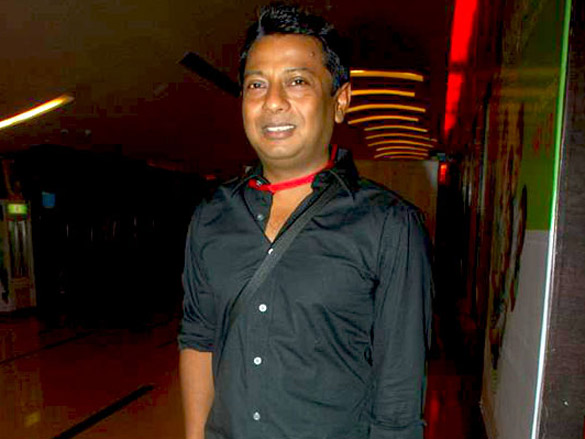
Pune's Satrang Mahotsav 2026 has put queer storytelling into a broad cultural frame, with theatre, Lavani, drag, discussions and performance sharing the same festival space. The six-day festival at Shreeram Lagoo Rang-Avakash brings together theatre-makers, dancers, drag performers and writers from across India to spotlight LGBTQ+ stories. The event is local in venue, but national in cultural relevance because it shows how queer expression is moving across forms rather than staying inside one genre.
The programming matters because it refuses the idea that queer culture has only one public language. Lavani carries a long history in Maharashtra's performance traditions. Theatre gives artists room for character, conflict and dialogue. Drag can combine satire, glamour, identity and political edge. Panel conversations and writing can slow the pace and let audiences sit with lived experience.
Pune is also a meaningful setting. The city has students, artists, activists, old cultural institutions and newer performance spaces. LGBTQ+ performers and audiences often navigate enthusiasm, curiosity, misunderstanding and prejudice at the same time. A public festival does not remove those tensions, but it creates a legitimate venue where queer stories do not have to ask permission to exist.
The use of Lavani is especially interesting because traditional forms are sometimes treated as fixed heritage rather than living practice. When queer artists work through folk, classical or regional idioms, they are not simply adding modern identity to an old form. They are showing that tradition has always been interpreted by new bodies and new audiences.
Events like Satrang also build cultural infrastructure. They connect performers with directors, writers with audiences, and younger queer people with examples of public creative life. That network effect can last beyond the closing night.
Satrang Mahotsav's value is therefore not just that it is an event on Pune's calendar. It is a reminder that India's cultural life is larger when more people can tell stories in their own forms. A city that makes room for queer theatre, Lavani, drag and dialogue is not only hosting performances. It is expanding the public imagination.
Related Stories
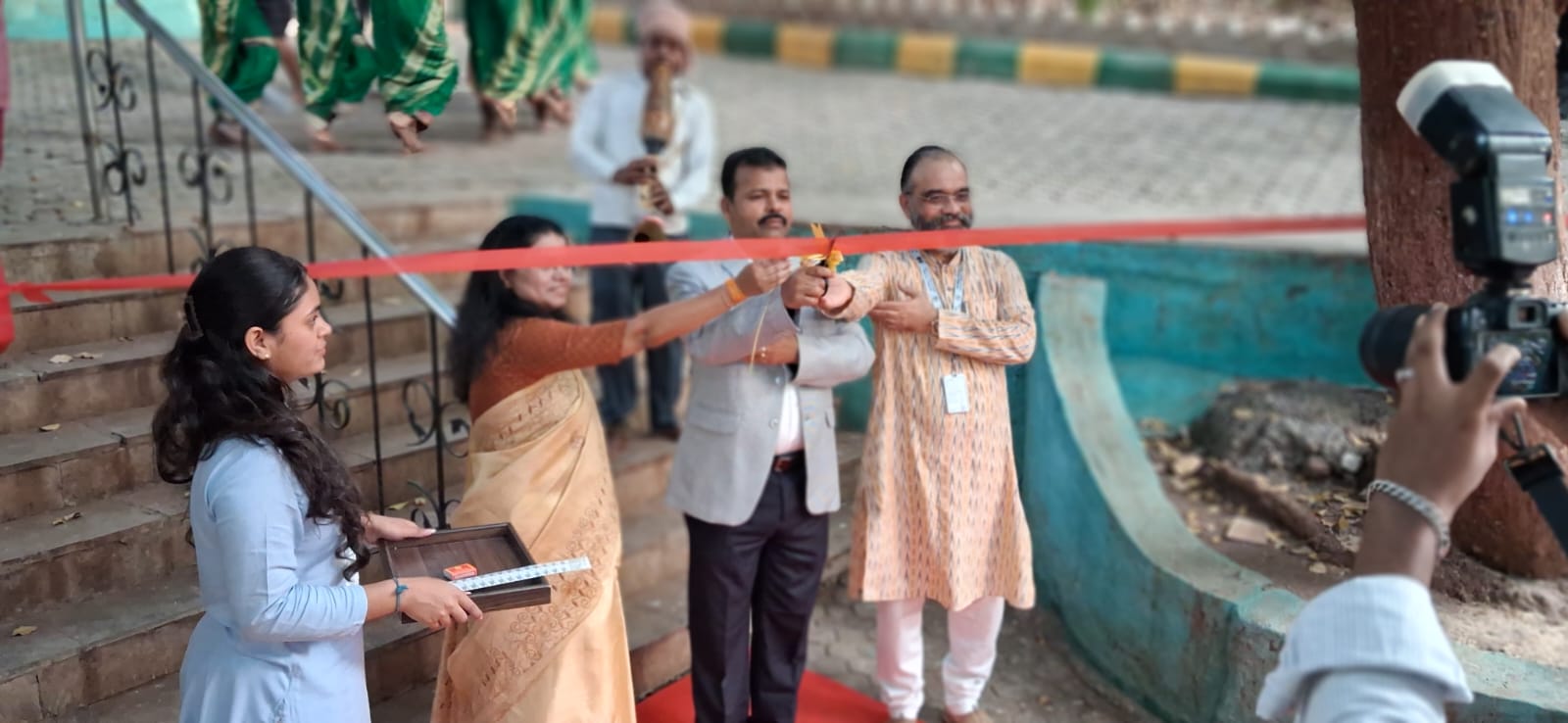
Aadi Mahotsav Opens in Navi Mumbai With a Focus on Tribal Enterprise
The eight-day festival at CIDCO Urban Haat brings tribal crafts, handlooms, food products and producer groups directly to consumers.
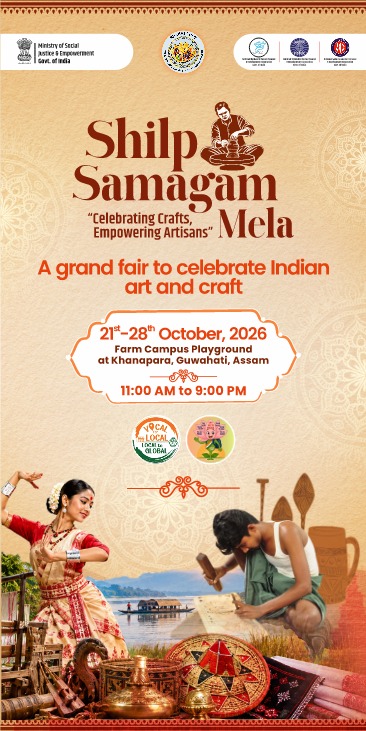
Guwahati Craft Fair Opens a Direct Market for 75 Artisans
Shilp Samagam Mela brings handloom and handicraft makers to Farm Gate, Khanapara, with direct sales and a focus on wider market access.

GI And Beyond 2.0 Summit In New Delhi To Showcase More Than 100 Handloom And Handicraft Products
New Delhi will host the GI and Beyond 2.0 Summit on Wednesday, August 5, with the Ministry of Textiles using the event to showcase India's GI-tagged handloom and handicraft products. News...
