Rail And Metro Projects Keep Connectivity At The Centre Of India's Travel Debate
Rail and metro connectivity remains one of India's most important travel stories, with fresh attention on Kolkata Metro operations and the wider push to improve movement.
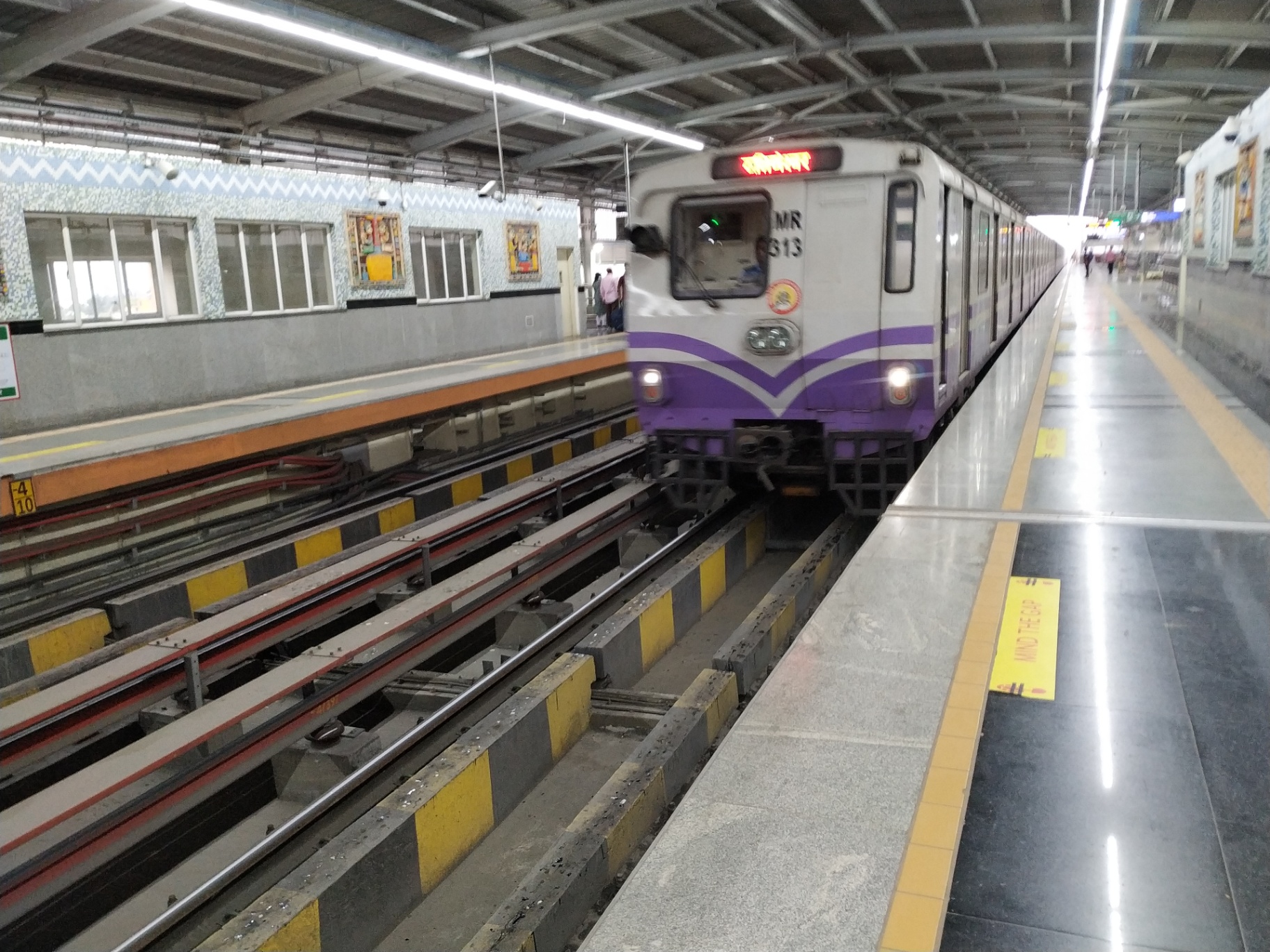
Rail and metro connectivity remains one of India's most important travel stories, with fresh attention on Kolkata Metro operations and the wider push to improve inter-city and urban movement. Recent reporting noted that around 70 trains were to run between Kolkata, Howrah and Maidan Metro stations on Sunday amid a special Kolkata Metro rake launch, underlining how operational details can matter as much as big-ticket project announcements for everyday travellers.
The travel importance is straightforward. India can announce new corridors, trains and station upgrades, but passengers judge the system by whether services are frequent, reliable, easy to understand and connected to where they actually need to go. A special operating plan in Kolkata is a reminder that metro systems are living networks. Train frequency, crowd handling, interchange design and last-mile access all shape whether people choose public transport over private vehicles.
Kolkata has a unique place in India's metro history. It was the country's first metro city, and its current expansion connects old urban patterns with new infrastructure. The addition of special rakes or service plans is not just a technical footnote. It affects commuters, students, event visitors, tourists, business travellers and families moving between Howrah, central Kolkata and other nodes.
At the same time, travel debates in India are increasingly national. High-speed rail proposals, Vande Bharat services, regional rapid transit, airport expansion and city metros all compete for public attention. Each mode solves a different problem. A metro moves people within a dense city. A semi-high-speed train can improve inter-city travel. An airport expansion can support long-distance and international journeys. Good travel policy recognises those differences instead of treating every project as a prestige race.
For passengers, the key questions are practical: how often will trains run, how much will the trip cost, how safe are the stations, are lifts and escalators working, is information clear, and what happens during service disruptions? Announcements that do not answer those questions can sound impressive without changing daily travel habits.
For businesses, better rail and metro links can widen labour markets and increase footfall near stations. Retail, offices, hotels and housing often follow transport upgrades, though benefits are not automatic. Poor station access or weak feeder services can limit the value of even expensive infrastructure. That is why planning around stations matters as much as the tracks themselves.
For tourists, improved urban rail can make cities easier to experience. Kolkata's cultural sites, business districts and transport hubs are easier to navigate when metro services are clear and frequent. Visitors who can move without negotiating traffic for every trip are more likely to explore beyond a narrow hotel-to-attraction route.
For state governments, the lesson is that passenger confidence builds through repeated small wins. Clean stations, predictable headways, clear signage, working ticketing systems and visible staff can do more for daily travel than a single ceremonial launch. Those details decide whether a new service becomes a habit.
The broader conclusion is that India's travel future will be built through thousands of operational decisions as well as landmark projects. A Sunday metro plan, a new rake, an adjusted timetable or a better interchange may not look as dramatic as a new corridor announcement, but passengers feel those details immediately. Connectivity becomes real only when it works at platform level.
Related Stories

EIH And Bhartiya Plan 20 Luxury Resorts Starting With Coorg Kabini And Hampi
EIH Limited and Bhartiya Hospitality have announced a strategic partnership to develop and operate 20 luxury lifestyle resorts across India and selected...

Air India Phuket-Delhi Flight AI2379 Hits Severe Turbulence And Injures Passengers
An Air India flight from Phuket to Delhi has put turbulence safety back in focus after a severe mid-air incident injured passengers and crew before the...

India Identifies 40 Cities For Hub-Airport Travel And Cargo Clearance Model
India has identified 40 cities where passengers could benefit from liberalised airport immigration and cargo-screening rules under a hub-and-spoke aviation model.
