RBI October Meeting Puts Borrowers On Rate-Hike Watch After Four Holds
The October 5-7 MPC meeting has become a live test of inflation, rupee pressure and borrowing costs after four repo-rate holds.
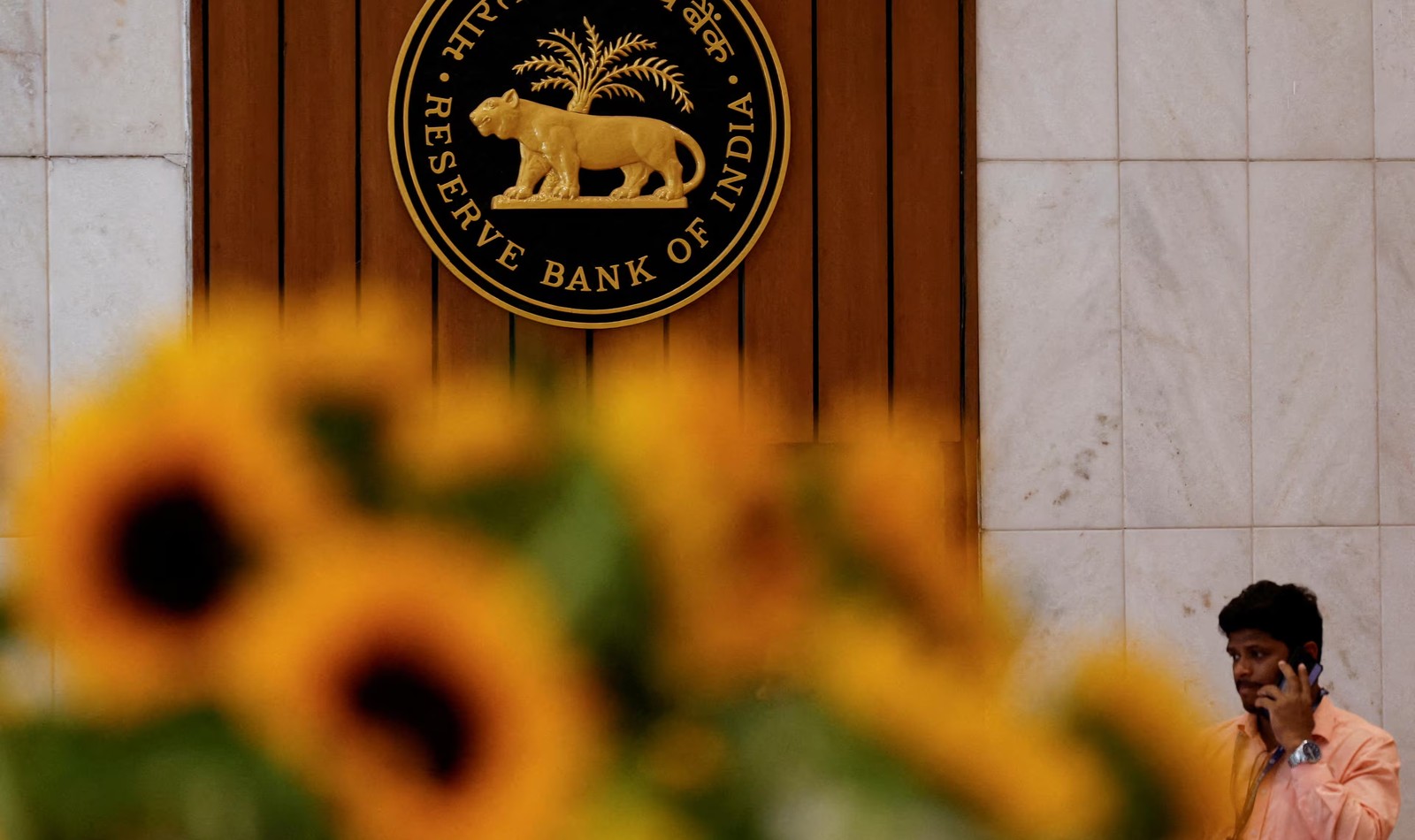
India's next interest-rate decision is now a live household and business story. The Reserve Bank of India's Monetary Policy Committee will meet from October 5 to 7, with the policy decision due on October 7. Business Standard reported on October 2 that the central bank has kept the repo rate unchanged at 5.25 percent in its last four policy reviews after cumulative cuts in 2025.
The question for borrowers is whether that pause is about to end. Business Standard reported that economists in its poll expect a 25-basis-point repo-rate increase to 5.50 percent, with eight of 10 respondents expecting a hike. A separate Reuters poll cited in the same report also showed a majority expecting an October increase.
For home-loan borrowers, small businesses and companies refinancing debt, the difference between a hold and a hike is practical. A rate increase can feed into loan pricing, deposit competition and working-capital costs. Even before banks reset products, expectations can change how borrowers time big-ticket purchases and how lenders price risk.
Inflation is the immediate pressure point. Retail inflation rose to 4.82 percent in August, above the RBI's medium-term target of 4 percent for a third straight month, while wholesale price inflation rose to 9.92 percent. Food, energy and imported-cost pressures have made the October meeting more sensitive than a routine review.
The rupee and global-rate cycle add another layer. Business Standard reported that the rupee has weakened by about 6 percent against the US dollar this year, and that higher rates in major economies have narrowed the interest-rate differential. A hike would signal that the RBI is taking those external pressures seriously as well as domestic inflation.
The central bank also has to balance growth and credibility. Higher rates can cool demand and raise borrowing costs, but leaving rates unchanged while inflation broadens can make later action harder. That is why the October decision will be watched not only for the repo number, but for the language around future moves.
The safest reading for now is that policy is entering a more cautious phase. Borrowers do not yet know the October 7 outcome, but the meeting itself has already changed the mood. The question is no longer whether rates can stay low; it is whether the RBI believes inflation pressure now requires a first hike since February 2023.
Related Stories

India Post Clears ₹4,000 Crore in a Quarter for the Second Time
India Post reported first-half revenue of ₹8,212.7 crore, with parcel income up 71% year on year in the July–September quarter.

IIM Lucknow's Family-Business MBA Treats Succession As A Management Skill
The two-year programme, starting in July 2027, is aimed at business owners and next-generation leaders who need governance, succession and growth tools.

Fusion CX IPO Puts Kolkata's AI-Enabled Service Firm On The Market Clock
The Rs 702 crore issue opens on October 14 with a Rs 275-289 price band and a fresh-issue component aimed partly at reducing debt.