Supreme Court Hearing Reopens Debate On Religion And Reform
The Supreme Court's April hearings on religious freedom and reform have reopened one of India's most sensitive constitutional debates.

The Supreme Court's April hearings on religious freedom and reform have reopened one of India's most sensitive constitutional debates.
At the centre of the discussion is the difficult question of how far courts can go in examining religious practice, and where the role of lawmakers begins. The Sabarimala-related reference has again brought attention to the balance between faith, equality, tradition and social reform.
The issue is politically charged because religious practice in India is not only personal. It is often connected to identity, community rights, gender rights and state power.
Supporters of judicial intervention argue that constitutional rights must be protected even when customs are deeply rooted. Others say elected governments, not courts, should lead major religious reforms.
The hearings are unlikely to end the debate. But they do underline a central question for modern India: how should a diverse democracy protect both religious freedom and constitutional equality?
Related Stories

Supreme Court Orders Release Of Under-18 NEET Protesters And Digital Data Safeguards
The Supreme Court has turned the July 20 NEET protest policing row into a national accountability question by ordering immediate safeguards for detained young protesters and digital material collected during the demonstrations.
Parliament Adjourns As Anti-Paper Leak Bill Faces Opposition Uproar
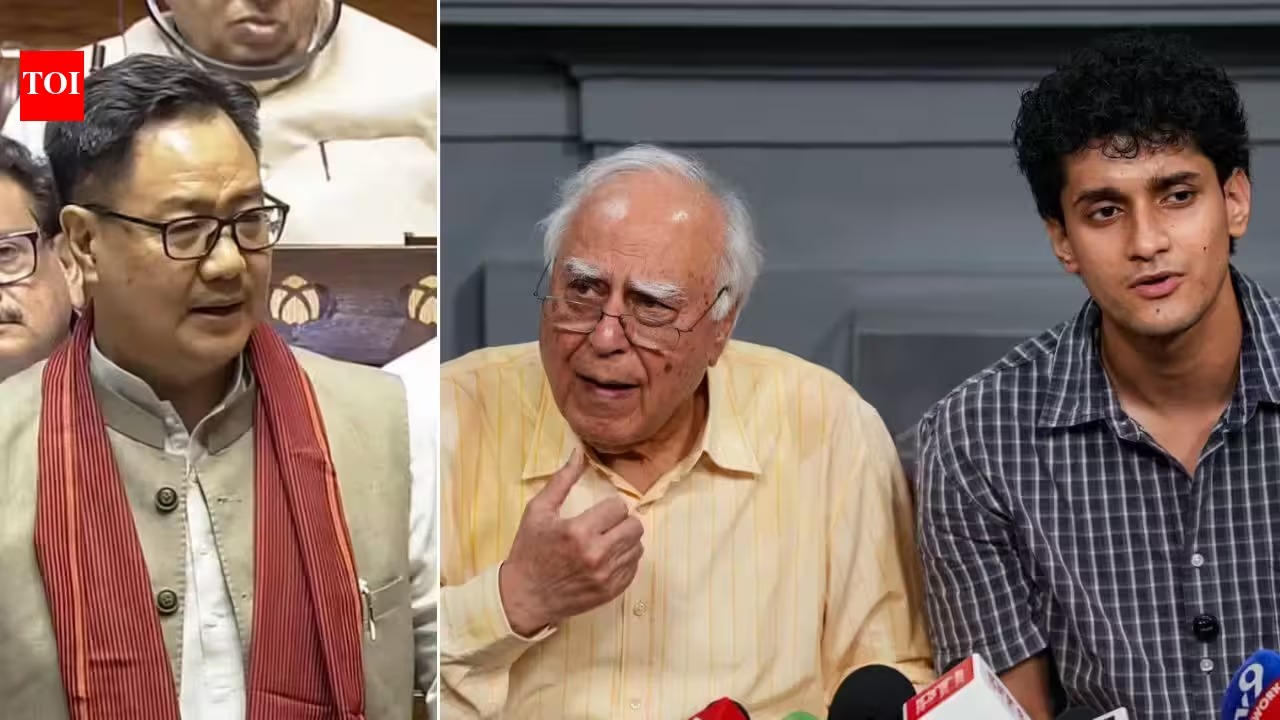
Parliament ended Monday in another confrontation over public examinations after the government introduced the Public Examinations (Prevention of Unfair Means) Amendment Bill, 2026 and opposition MPs demanded a statement on alleged police action against student protesters.
Omar Abdullah Announces July 20 Delhi Protest For Jammu And Kashmir Statehood
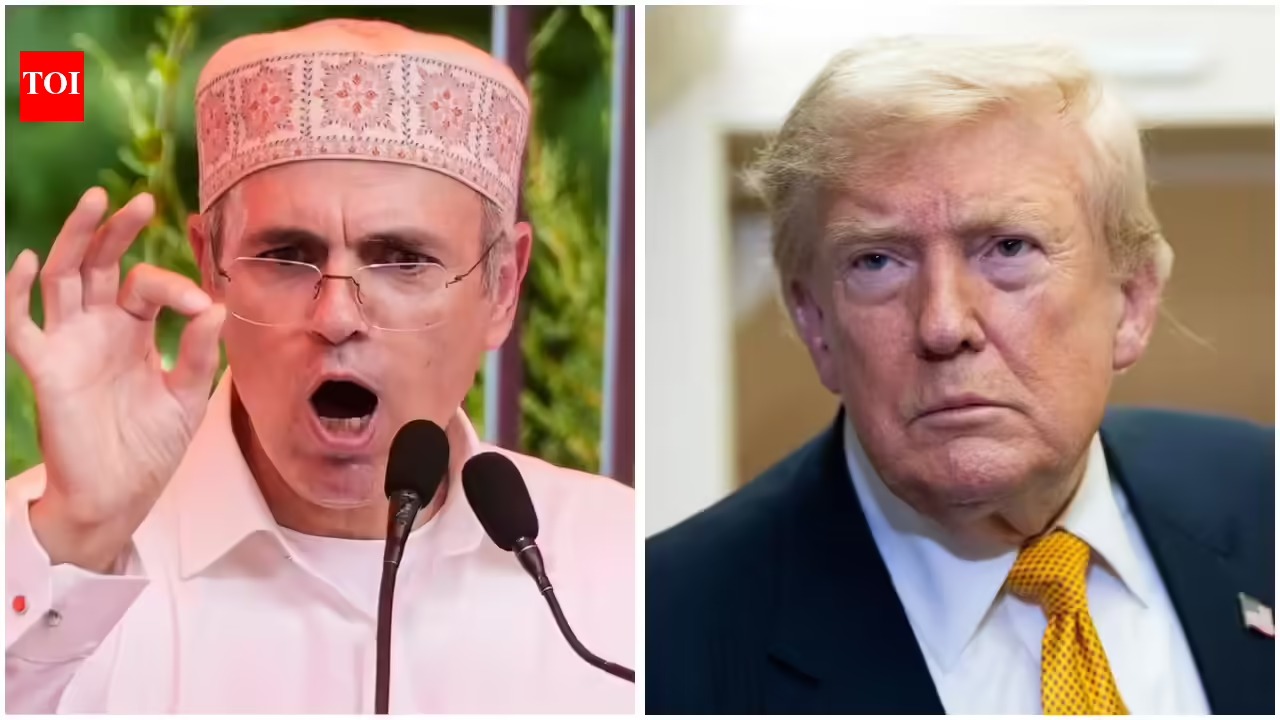
The National Conference will protest at Jantar Mantar on July 20, the opening day of Parliament's Monsoon Session, pressing the Centre for a statehood restoration timeline.