UPI's New MDR Window Puts Small Merchants Back In The Payments Debate
A 0.4 percent merchant discount rate on eligible UPI person-to-merchant payments above Rs 2,000 takes effect on October 15, while smaller payments remain free.
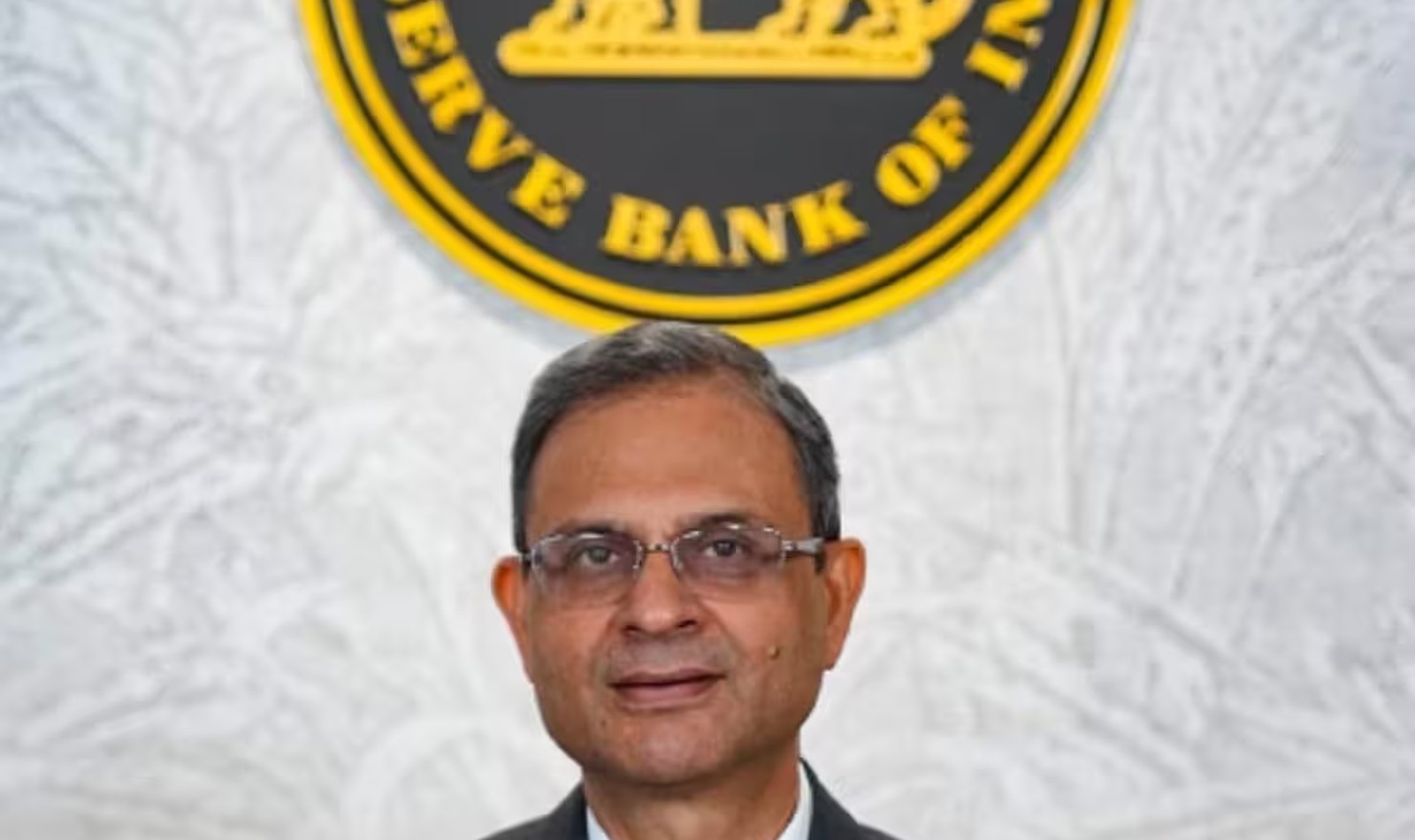
UPI's next phase is arriving with a fee debate attached. RBI Governor Sanjay Malhotra said on Wednesday that the merchant discount rate on eligible person-to-merchant UPI transactions, due to take effect on October 15, is unlikely to materially dent transaction volumes.
The new framework applies a 0.4 percent MDR to eligible UPI merchant transactions above Rs 2,000, capped at Rs 300 per transaction. Certain categories, including fuel, education and bill payments, will attract a flat Rs 5 fee for transactions above Rs 2,000. Peer-to-peer transfers, merchant payments below Rs 2,000 and payments to small vendors classified as P2PM will remain free.
The Governor's point is that a small fee may not change behaviour in a system that has become deeply embedded in daily payments. Business Standard reported that UPI recorded its highest-ever average daily transaction volume in September, at 802 million payments, with average daily transaction value of Rs 97,913 crore.
The numbers are still growing strongly on a year-on-year basis. September UPI volume rose to 24.07 billion transactions from 19.63 billion a year earlier, while value rose to Rs 29.37 trillion from Rs 24.89 trillion. That gives the central bank confidence that UPI's utility is larger than a small merchant-side charge.
The merchant question is more complicated. MDR is borne by merchants, not customers, but small businesses may still worry about pricing, margins, gateway charges and customer expectations formed during the zero-MDR years. Even where the network fee is narrow, payment intermediaries and bundled service charges can shape what shop owners actually feel.
For customers, the clearest message is that ordinary person-to-person transfers and smaller merchant payments are not meant to become paid transactions. For larger merchants and higher-value payments, the debate shifts to who absorbs the fee and whether any cost is indirectly passed into prices.
UPI has become public infrastructure, private distribution channel and merchant utility all at once. The October 15 change will test whether India can fund payments infrastructure without weakening the habit that made UPI dominant in the first place.
Related Stories

India Post Clears ₹4,000 Crore in a Quarter for the Second Time
India Post reported first-half revenue of ₹8,212.7 crore, with parcel income up 71% year on year in the July–September quarter.
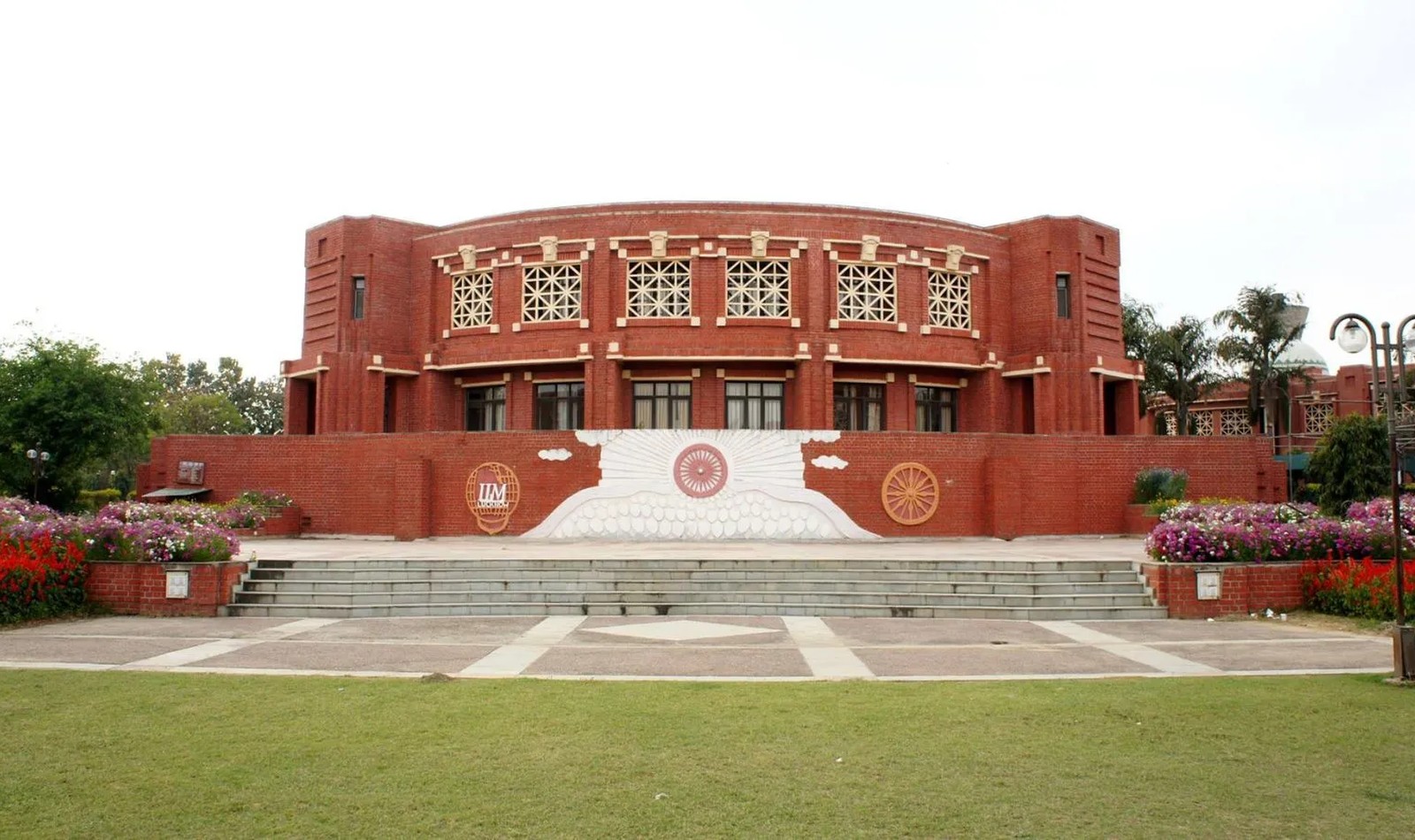
IIM Lucknow's Family-Business MBA Treats Succession As A Management Skill
The two-year programme, starting in July 2027, is aimed at business owners and next-generation leaders who need governance, succession and growth tools.

Fusion CX IPO Puts Kolkata's AI-Enabled Service Firm On The Market Clock
The Rs 702 crore issue opens on October 14 with a Rs 275-289 price band and a fresh-issue component aimed partly at reducing debt.