Delhi Mango Festival Returns To Janakpuri From July 3 With Rare Indian Varieties
Delhi's annual mango celebration is returning to Delhi Haat, Janakpuri, from July 3 to July 5 with rare varieties, live performances and competitions.
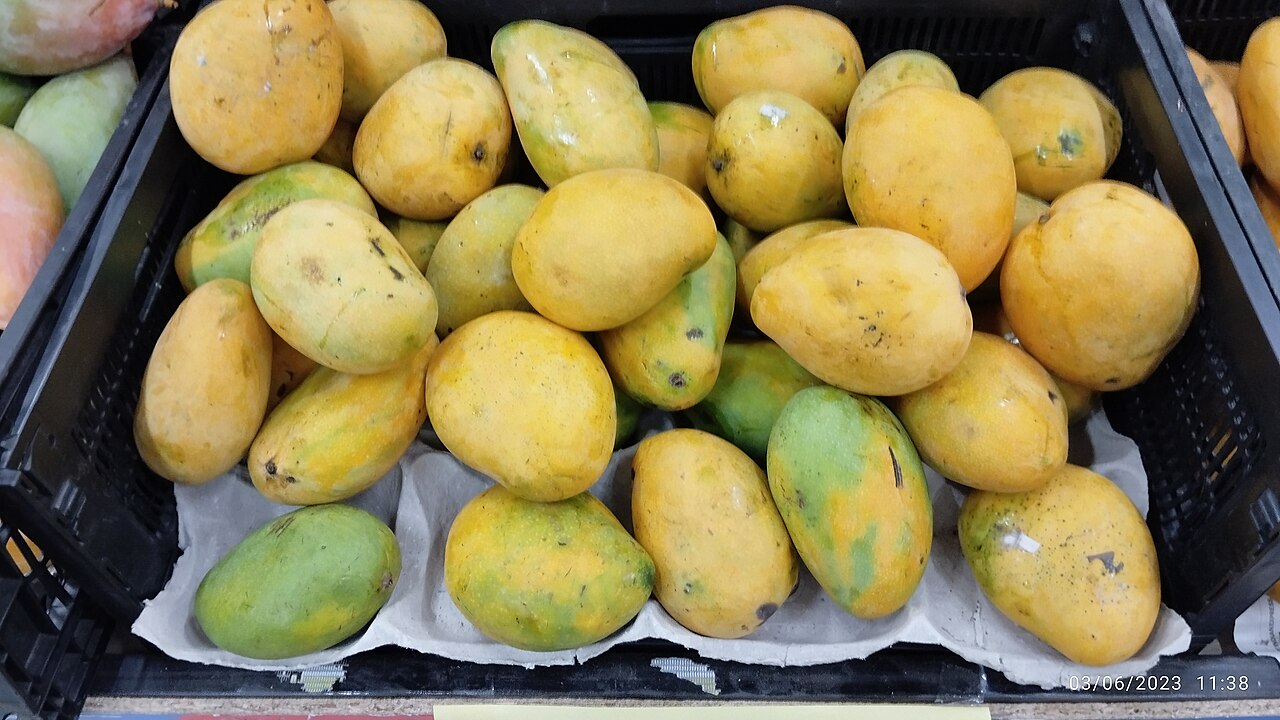
Delhi's annual mango celebration is returning to Delhi Haat, Janakpuri, from July 3 to July 5, giving growers, food lovers and families a three-day showcase of India's best-known summer fruit. The 35th Mango Festival will feature rare varieties, live performances and competitions, continuing a Delhi Tourism tradition that has been running since 1987.
The event is more than a tasting fair. It is a seasonal meeting point for farmers, horticulture experts, researchers, traders and consumers. Visitors can expect familiar mango names such as Alphonso, Dasheri, Langra and Banganapalli, but the bigger draw is the chance to see and buy less common varieties. Examples include Husnara, Rataul, Ramkela, Kesar, Mallika, Amrapali, Fazli, Hathijhool and Litchi Mango.
That variety matters because mango culture in India is deeply regional. Different states favour different textures, aromas and levels of sweetness. Some mangoes are prized for eating fresh, others for pickles, pulp, drinks or desserts. A festival format lets consumers see that diversity in one place, while growers get direct visibility beyond wholesale markets.
India produces around 40 to 64 per cent of the world's mangoes, with nearly 1,000 of the more than 1,500 mango varieties found worldwide grown in India. Major producing states include Uttar Pradesh, Andhra Pradesh, Maharashtra, Bihar, Tamil Nadu, Odisha and Assam. Uttar Pradesh contributes nearly 26 per cent of India's total mango production.
The Delhi festival lands at a useful time for the capital's food calendar. July is when the mango season still has public energy, but families are also looking for indoor-outdoor events that can work around monsoon weather. Delhi Haat gives the event an accessible setting with food stalls, craft retail and performance space already built into the venue.
For visitors, the most interesting part may be education rather than volume. Mango buying is often guided by habit: people buy the variety they grew up with or the one their local vendor stocks. A festival can introduce consumers to smaller regional names and help explain why a variety tastes fibrous, floral, intensely sweet or better suited to cooking.
Related Stories
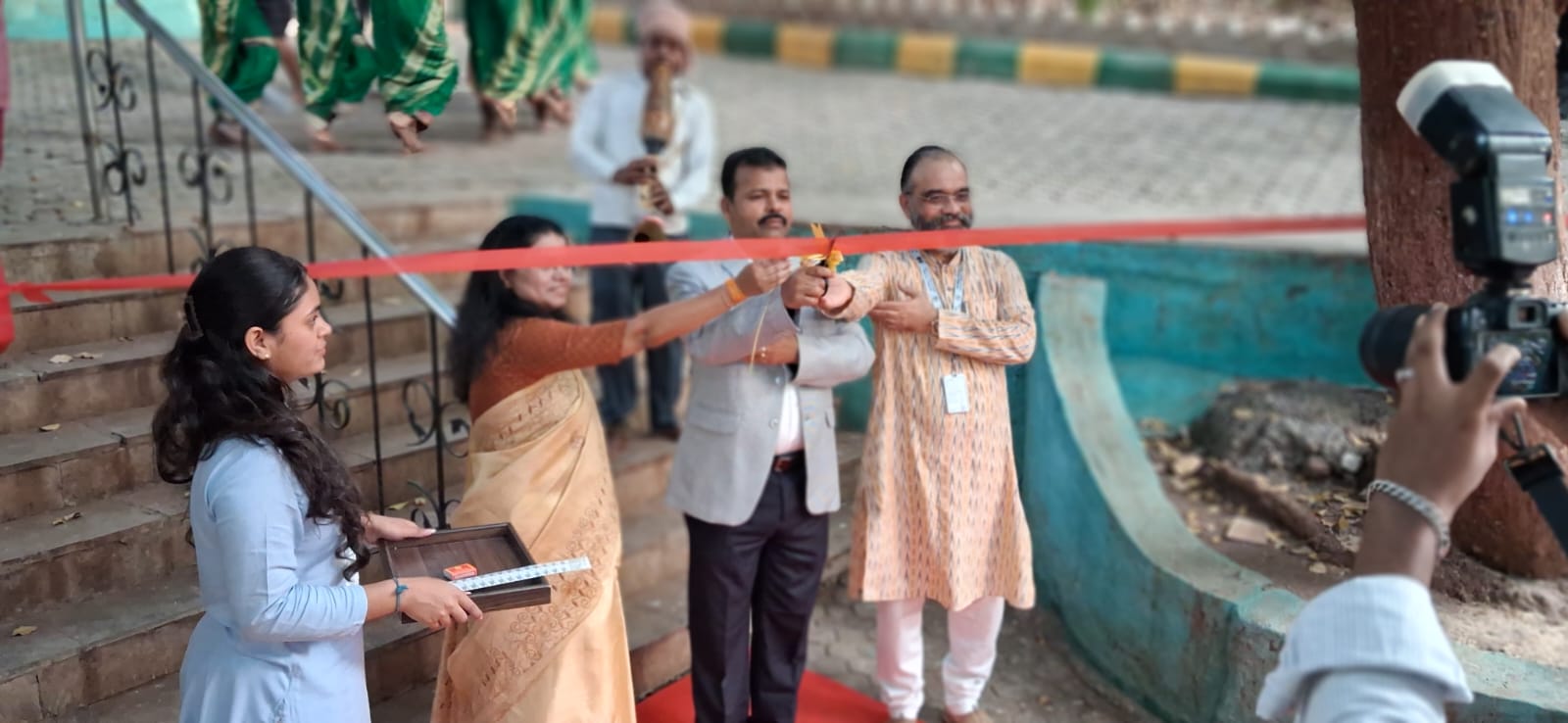
Aadi Mahotsav Opens in Navi Mumbai With a Focus on Tribal Enterprise
The eight-day festival at CIDCO Urban Haat brings tribal crafts, handlooms, food products and producer groups directly to consumers.
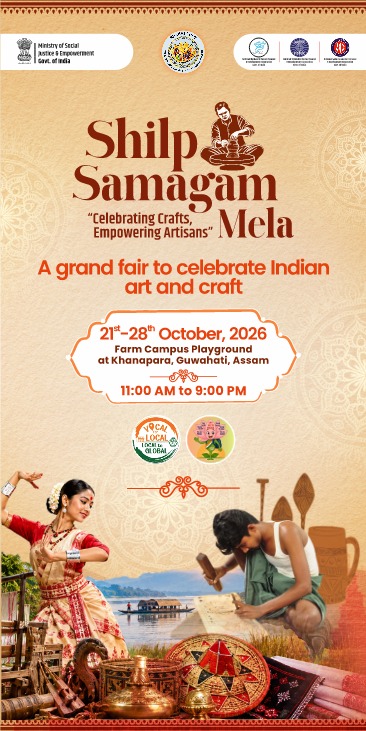
Guwahati Craft Fair Opens a Direct Market for 75 Artisans
Shilp Samagam Mela brings handloom and handicraft makers to Farm Gate, Khanapara, with direct sales and a focus on wider market access.

GI And Beyond 2.0 Summit In New Delhi To Showcase More Than 100 Handloom And Handicraft Products
New Delhi will host the GI and Beyond 2.0 Summit on Wednesday, August 5, with the Ministry of Textiles using the event to showcase India's GI-tagged handloom and handicraft products. News...
