Opposition Bloc Heads To Delhi Meeting With Strategy, Seats And States On The Table
The INDIA opposition bloc is set for a fresh coordination test in Delhi on 8 June, with reports saying representatives from 23 parties are expected to attend.
The INDIA opposition bloc is set for a fresh coordination test in Delhi on 8 June, with reports saying representatives from 23 parties are expected to attend a meeting that will cover Bihar's upcoming assembly election, voter-roll concerns, delimitation and the wider question of how a diverse opposition front presents itself after the general-election cycle. The meeting matters because it is not only a symbolic photo opportunity. It is an attempt to keep multiple regional parties, national parties and state-specific agendas inside one working frame at a time when the political calendar is already moving toward another round of high-stakes contests.
National coverage indicated that the Trinamool Congress was among the parties expected to attend, a detail that is politically important because opposition coordination has often depended on whether powerful state parties see enough value in national-level alignment. The Delhi meeting was also described as focused on Bihar, delimitation, voter rolls and the opposition's broader line of attack. Those themes show how the bloc is trying to combine immediate electoral planning with institutional questions that several opposition parties have raised in recent months.
Bihar is the most urgent item because assembly elections there can reshape national political mood. The state has a large electorate, complex caste arithmetic, a history of coalition shifts and a strong regional political identity. For opposition parties, Bihar is both an organisational challenge and a messaging challenge. Seat-sharing can quickly become difficult when every partner believes it has local strength in particular districts or communities. If the bloc cannot turn national unity into practical state-level arrangements, the larger alliance language will carry less weight with voters.
The voter-roll and delimitation themes point to a second layer of politics. Opposition parties have repeatedly argued that electoral rules, constituency boundaries and roll management must be transparent and trusted. The government side typically frames those concerns differently, often describing them as routine institutional processes or opposition complaints. The public significance is that election administration is now a campaign issue in its own right, not simply a technical matter handled away from public debate.
For the Congress, the meeting is also a leadership-management exercise. It must work with regional parties that do not want to be treated as junior partners in their own states. For regional parties, the test is whether they can participate in a national opposition platform without weakening their local distinctiveness. That is why the wording after the meeting may matter as much as the agenda before it: a joint statement that is too vague can look hollow, while a statement that is too specific can expose disagreements.
The safest reading of the Delhi huddle is that the opposition is trying to move from shared criticism to shared operating discipline. The agenda being reported is concrete enough to matter, but it is not proof that the alliance has solved its deeper problems. The next signs to watch are whether Bihar seat talks become less noisy, whether the parties maintain a common line on voter-roll concerns, and whether major regional leaders continue to show up when the conversation moves from headlines to hard negotiation.
For voters, the practical question is simple: will this coordination produce clearer choices, or only another round of alliance management? A credible opposition platform needs both a national critique and state-by-state clarity on candidates, welfare promises, federal issues and governance priorities. Monday's Delhi meeting can help build that structure, but it cannot substitute for the slow work of trust between parties that compete with each other in some places and need each other in others.
Related Stories

Supreme Court Orders Release Of Under-18 NEET Protesters And Digital Data Safeguards
The Supreme Court has turned the July 20 NEET protest policing row into a national accountability question by ordering immediate safeguards for detained young protesters and digital material collected during the demonstrations.
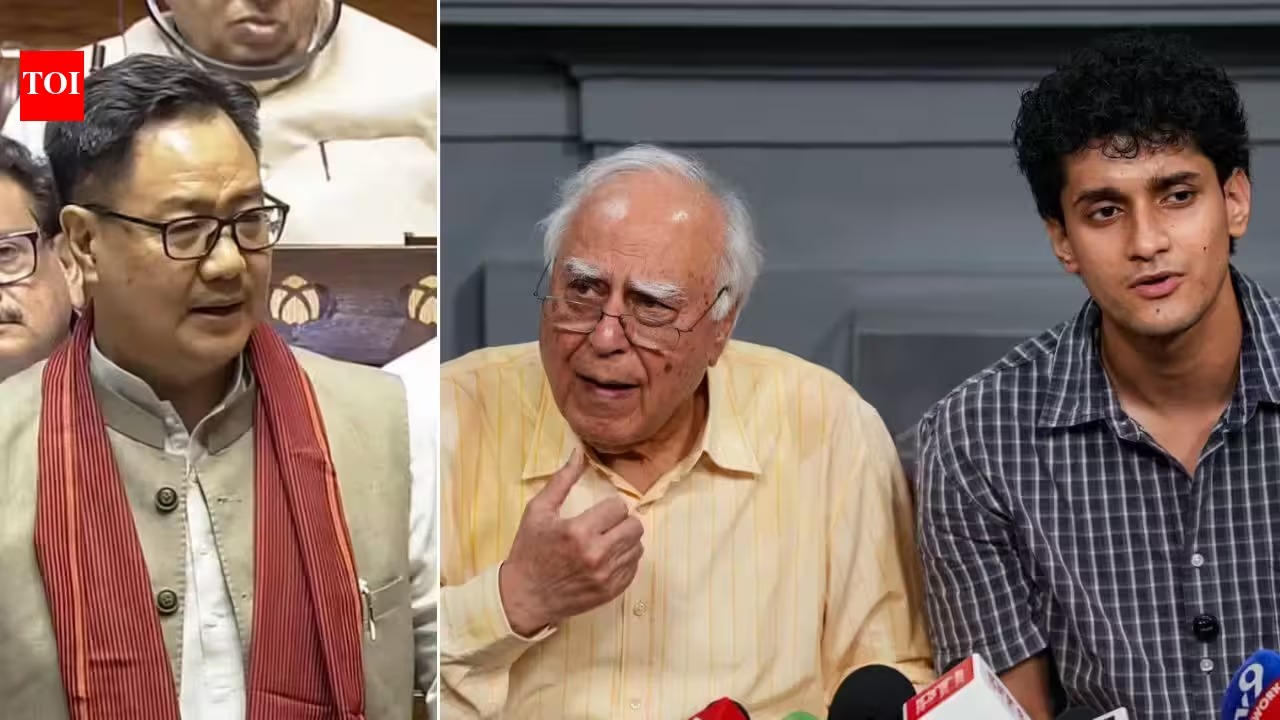
Parliament Adjourns As Anti-Paper Leak Bill Faces Opposition Uproar
Parliament ended Monday in another confrontation over public examinations after the government introduced the Public Examinations (Prevention of Unfair Means) Amendment Bill, 2026 and opposition MPs demanded a statement on alleged police action against student protesters.
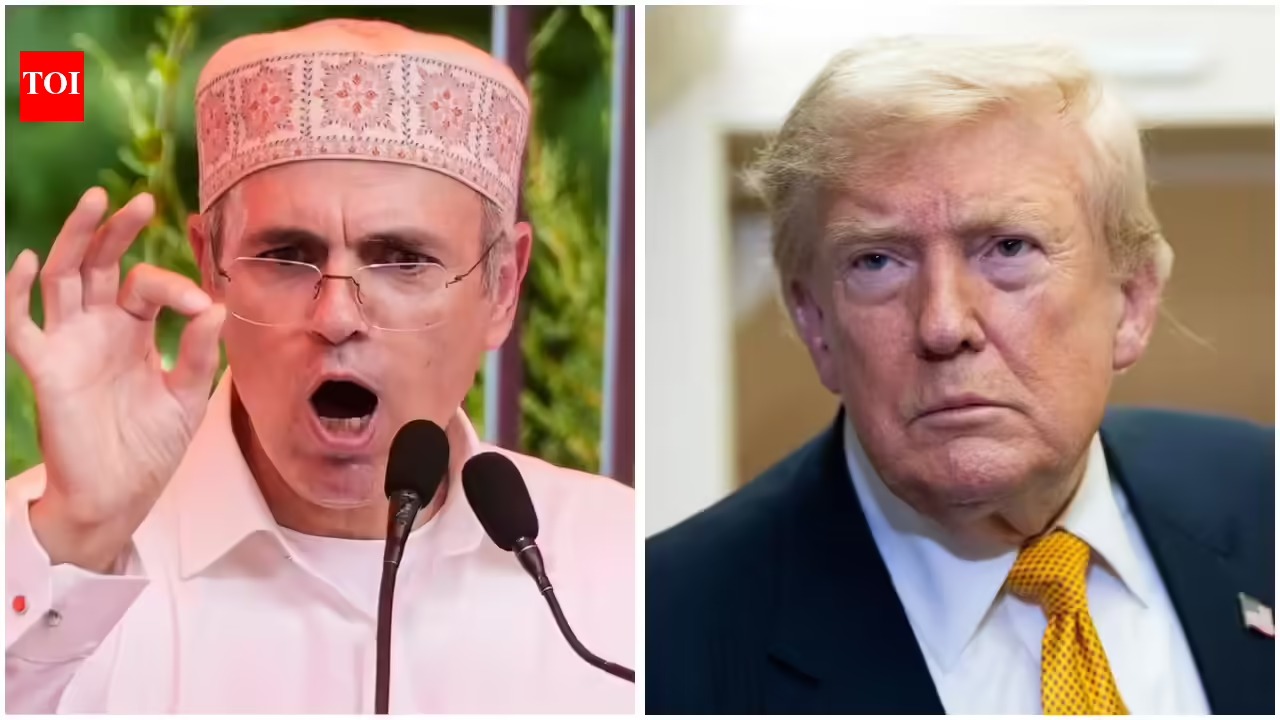
Omar Abdullah Announces July 20 Delhi Protest For Jammu And Kashmir Statehood
The National Conference will protest at Jantar Mantar on July 20, the opening day of Parliament's Monsoon Session, pressing the Centre for a statehood restoration timeline.