Char Dham Yatra Suspended For Two Days As Heavy Rain And Landslides Hit Routes
The Char Dham Yatra has been suspended for two days after heavy rain and landslides disrupted routes in Uttarakhand, creating a direct travel and safety concern for pilgrims.

The Char Dham Yatra has been suspended for two days after heavy rain and landslides disrupted routes in Uttarakhand, creating a direct travel and safety concern for pilgrims heading to Kedarnath, Badrinath, Gangotri and Yamunotri. Hindustan Times reported that officials said the pilgrimage would resume only when weather conditions improve and the affected routes are declared safe. The New Indian Express also reported the two-day suspension on Tuesday, citing landslides blocking pilgrimage routes and a heavy-rain alert.
The timing matters because the yatra draws large numbers of pilgrims, many of them travelling through mountainous terrain where rain risk is not just inconvenient but potentially dangerous. Landslides, shooting stones, road washouts and swollen streams can trap vehicles, delay medical response and put local rescue teams under pressure. In hill states, short bursts of intense rain can change conditions quickly, especially where traffic is already heavy or where road-widening work and fragile slopes create additional vulnerability.
The India Meteorological Department's broader monsoon warnings are the backdrop to the decision. Times of India reported continuing intense monsoon activity across multiple states because of a deep depression and widespread rain risks, with flooding, landslides and strong winds among the key hazards for travellers. That wider pattern helps explain why authorities paused movement rather than simply asking pilgrims to proceed slowly. When the same weather system affects multiple corridors, bottlenecks can compound quickly.
For pilgrims, the immediate advice is practical: do not treat the suspension as a routine delay that can be bypassed through informal routes. Travellers should check official state advisories, hotel and transport updates, and local police instructions before moving. Those already in the region should keep essential medicines, identification, charged phones, offline contact details and extra food or water close at hand. Families outside Uttarakhand should avoid relying only on social media clips because local road status can change by the hour.
For businesses along the route, a suspension means cancelled bookings, delayed supplies and crowd-management pressure when movement resumes. For local administrations, the challenge is to restart only when slope stability, road clearance, traffic staging and weather windows make the movement manageable. A premature restart can increase risk; an overlong shutdown can strain pilgrims already waiting in towns.
There is no evidence from the current reporting that the yatra has been cancelled for the season. The verified fact is a two-day suspension tied to heavy rain and landslide conditions. The next update should come from Uttarakhand authorities after route inspection. Until then, the safest public message is simple: the pilgrimage is paused for safety, and travellers should wait for official clearance rather than attempting movement through unstable routes.
The suspension also highlights how pilgrimage management now depends on weather intelligence, not only police deployment and temple logistics. Uttarakhand authorities have to coordinate road agencies, disaster response teams, district magistrates, transport operators and shrine boards across several valleys at once. If one route opens while another remains blocked, crowd pressure can shift suddenly. Clear staging points, honest route updates and conservative reopening decisions can prevent stranded pilgrims from clustering near dangerous slopes or forcing movement during short breaks in rain.
Related Stories
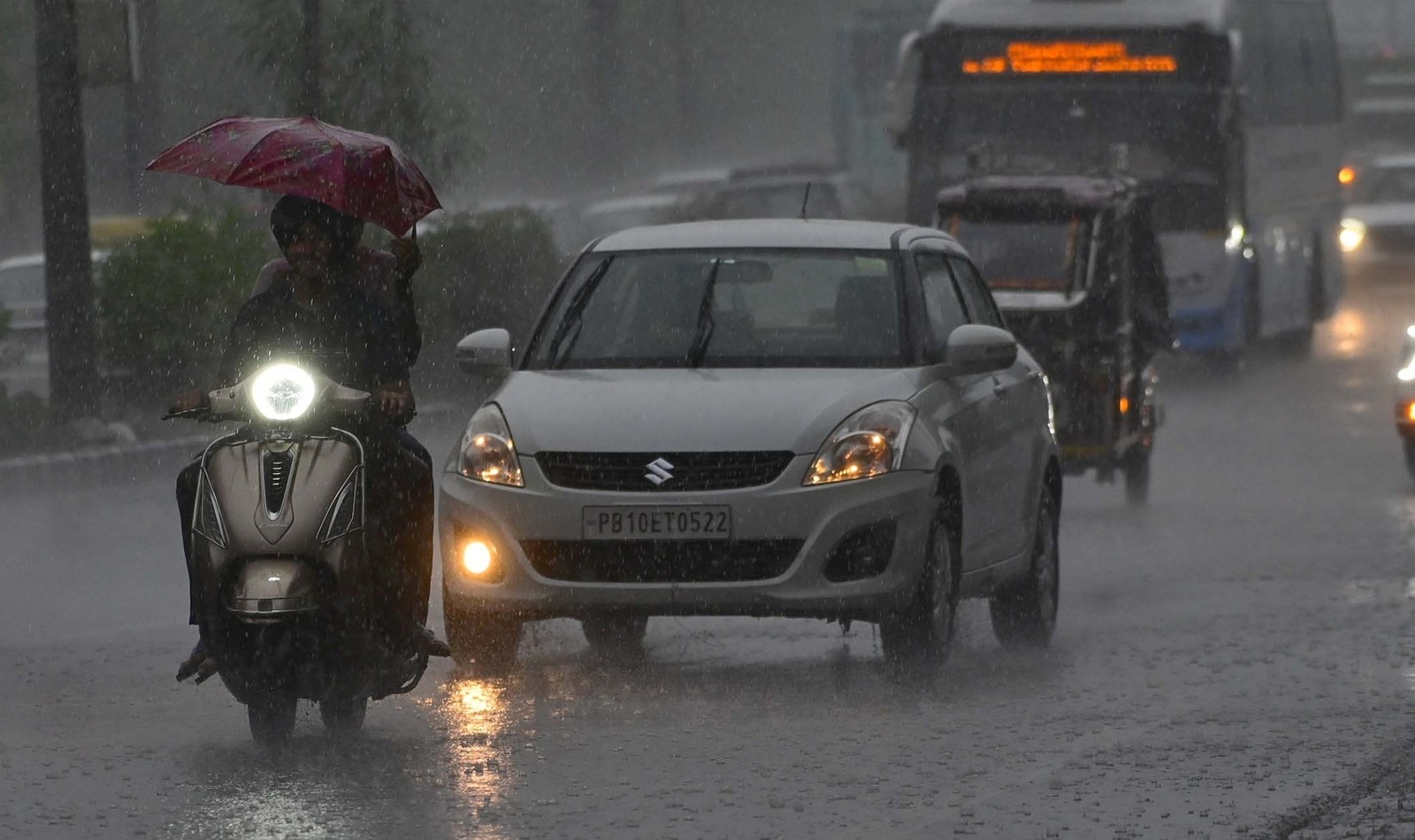
Delhi's Red-Alert Rain Turns A Weather Break Into A Commute Stress Test
Heavy rain, thunderstorms and an IMD red alert brought cooler air but also waterlogging and morning traffic risk across the National Capital Region.
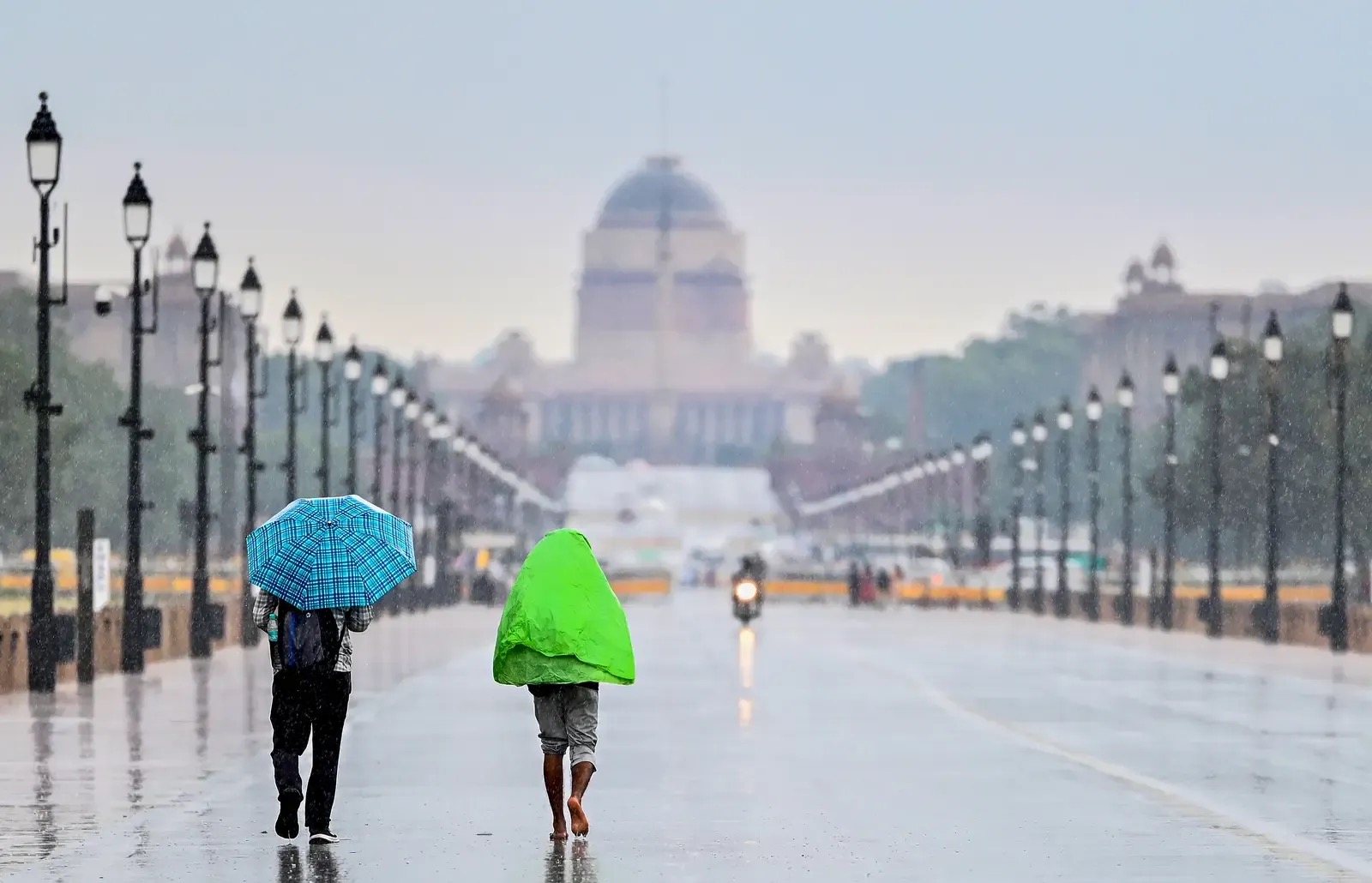
Delhi's Weekend Rain Window Comes With A Dust-Control Warning
Rain, thunderstorms and winds up to 50 kmph may give Delhi-NCR temporary relief, but high minimum temperatures and construction dust keep the air-quality risk alive.
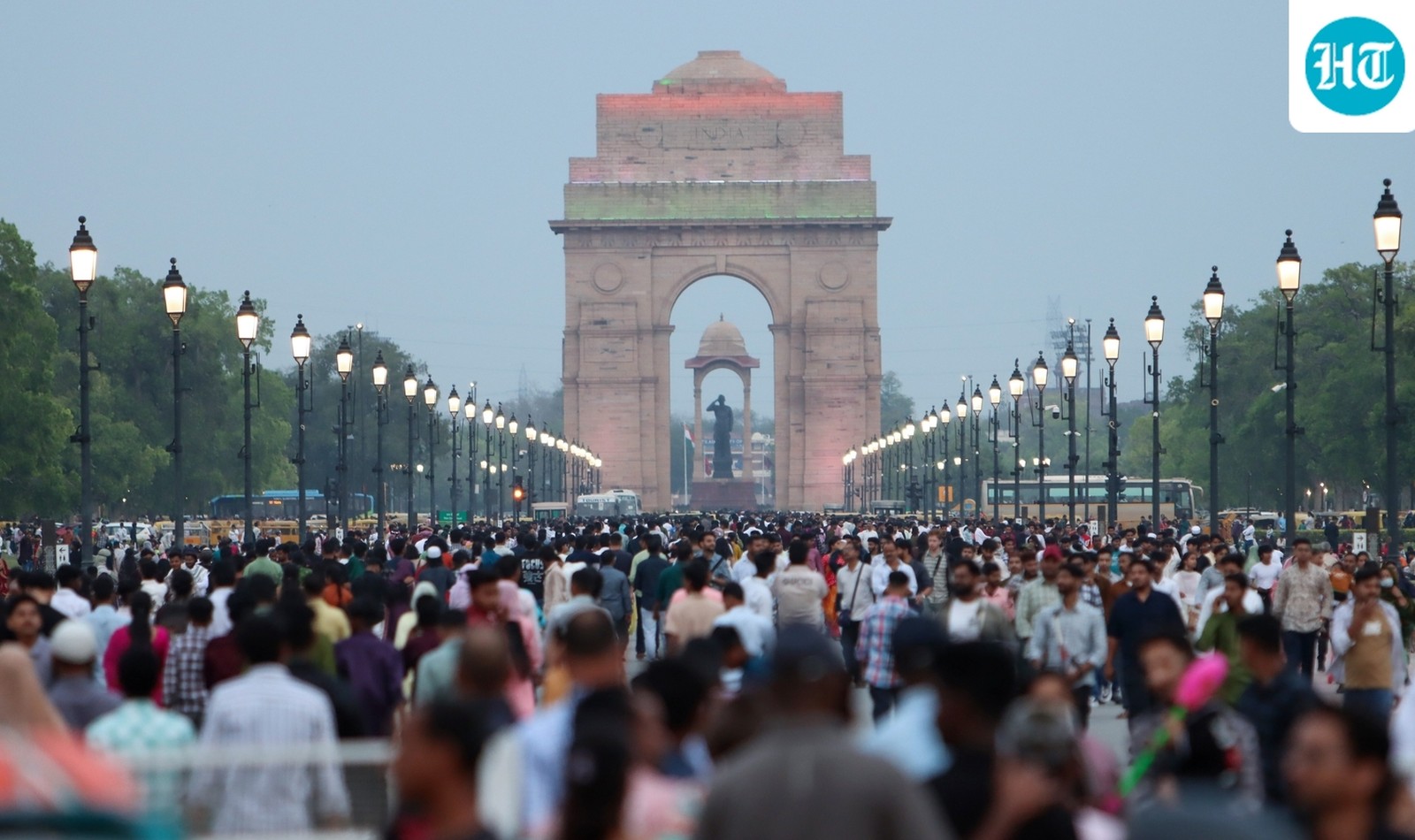
Delhi's Partly Cloudy Forecast Keeps The AQI Watch In Place
IMD's local forecast for New Delhi-Safdarjung shows partly cloudy skies on October 8 after the scattered-rain window, with temperatures expected around 34 and 22 degrees Celsius.