Farooq Abdullah And 116 India-Pakistan Signatories Urge Modi And Shehbaz Sharif To Restore Dialogue
A cross-border appeal signed by 117 prominent Indians and Pakistanis has put the stalled relationship between New Delhi and Islamabad back into public debate.
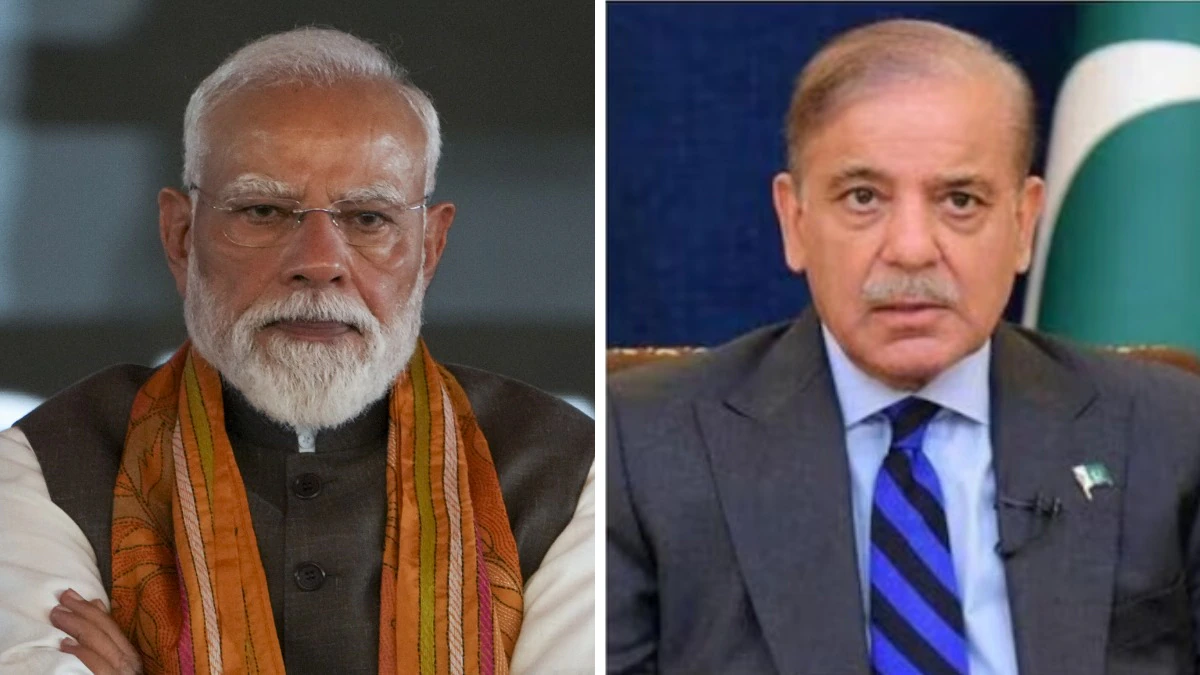
A cross-border appeal signed by 117 prominent Indians and Pakistanis has put the stalled relationship between New Delhi and Islamabad back into public debate, even as the two governments remain far apart on terrorism, trade and formal talks. The letter, issued by the Centre for Peace and Progress, asks Prime Minister Narendra Modi and Pakistan Prime Minister Shehbaz Sharif to take sustained steps toward restoring peace, dialogue and normal bilateral relations.
The signatories include 61 people from India and 56 from Pakistan. On the Indian side, the names include National Conference chief Farooq Abdullah, separatist leader Mirwaiz Umar Farooq, PDP chief Mehbooba Mufti, RJD MP Manoj Jha and former TMC minister Humayun Kabir. From Pakistan, signatories include former foreign minister Khurshid Mahmud Kasuri, former diplomat Ashraf Jehangir Qazi, National Assembly member Isphanyar Bhandara and nuclear physicist Pervez Hoodbhoy. The list gives the appeal political weight, but also ensures it will be contested in a climate where any India-Pakistan outreach is scrutinised through the lens of national security.
The letter asks for practical confidence-building measures rather than only symbolic language. It calls for full diplomatic relations to be restored, High Commissioners to be reinstated in New Delhi and Islamabad, normal visa services to resume and airspace to reopen for commercial flights. It also seeks the reopening of the Attari-Wagah land border for trade and travel, revival of the Srinagar-Muzaffarabad bus service and broader people-to-people links, including religious and cultural access.
Those proposals would matter because most of the damage in the relationship is now felt in ordinary channels. Families, students, traders, pilgrims, artists and sports followers face the consequences of blocked visas, closed routes and missing diplomatic access long before formal negotiations resume. The signatories argue that the two countries are home to nearly one-fifth of humanity and that young people on both sides are being denied opportunities by continuing hostility.
The appeal also asks both governments to reopen a comprehensive bilateral dialogue on outstanding issues, including Jammu and Kashmir. It refers to revisiting the framework discussed between 2004 and 2007 and calls for de-escalation, demilitarisation and attention to the security concerns of both countries. That is where the proposal enters the hardest political ground. New Delhi has repeatedly said that terror and talks cannot coexist and that any improvement depends on an end to cross-border terrorism.
Its importance is different. It shows that a civil society constituency still wants a structured exit from permanent estrangement. It also tests whether public debate can separate an argument for controlled engagement from a dismissal of security concerns. The immediate official response may be cautious, but the letter gives both governments a concrete list of measures that can be debated one by one instead of leaving the relationship trapped between total freeze and full negotiation.
Related Stories
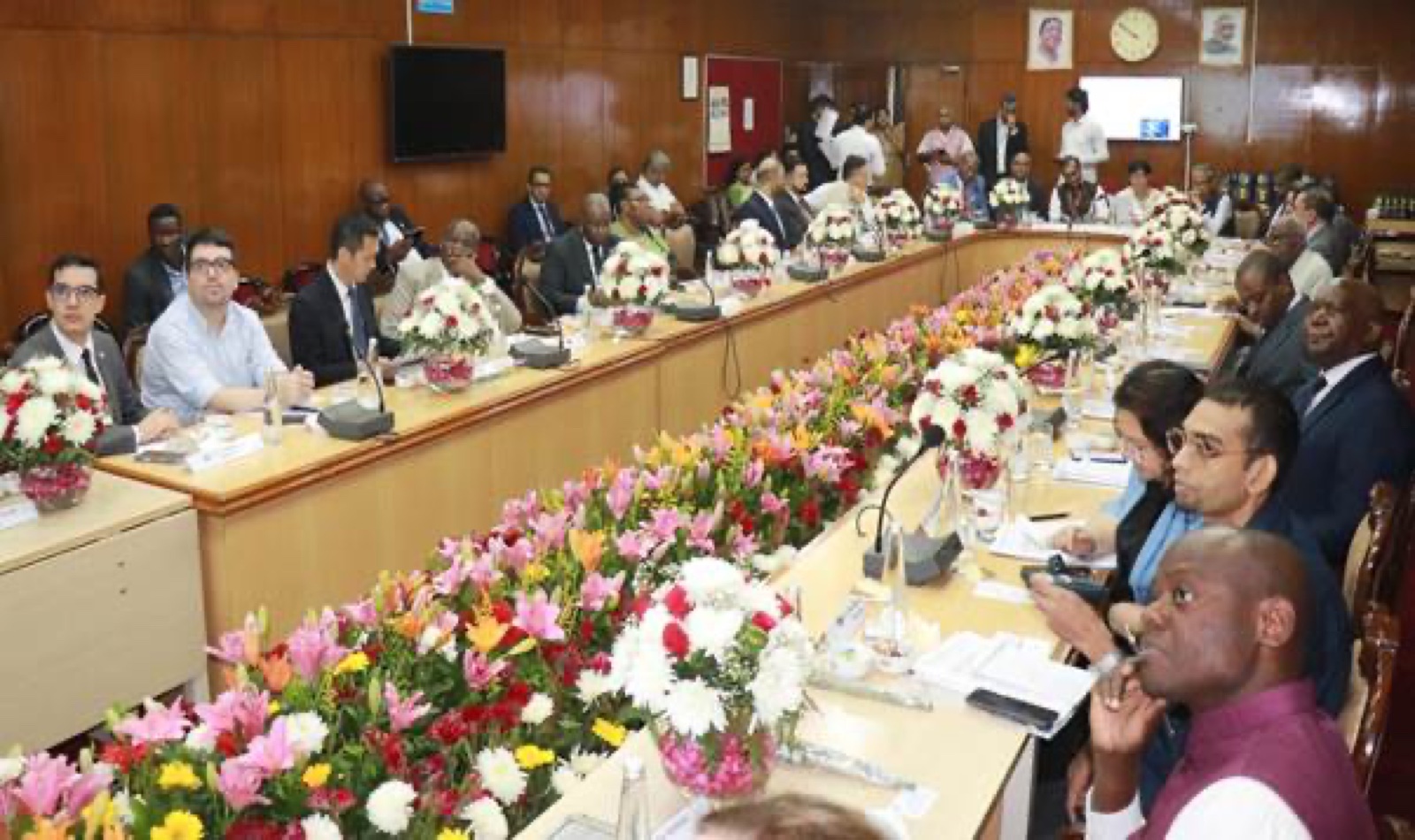
CSIR Opens a Practical Science-Diplomacy Channel for Global South Partners
A new MEA–CSIR programme brought representatives from 29 countries into New Delhi laboratories to examine collaboration around infrastructure, genomics and healthcare.
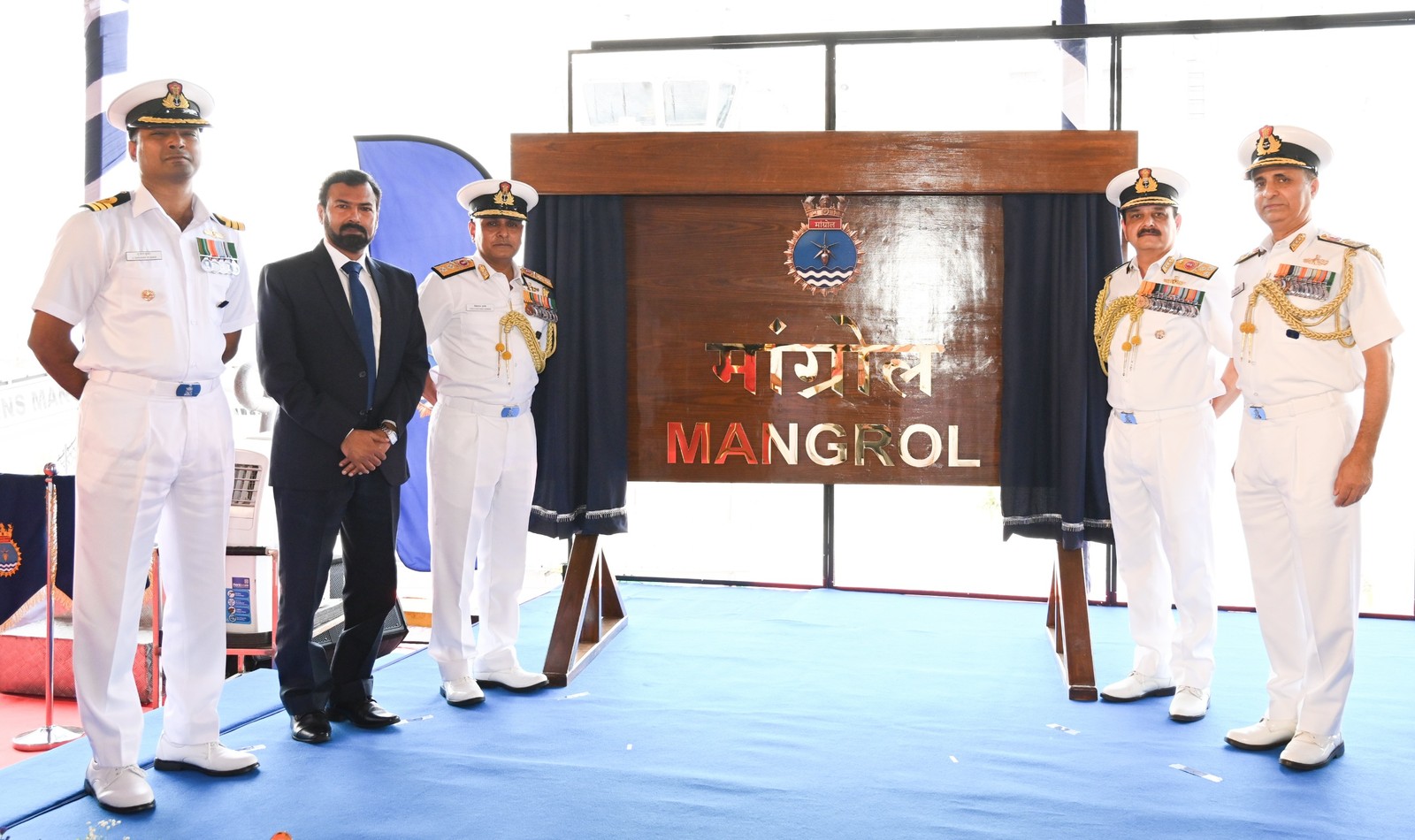
INS Mangrol Commissioning Turns Shallow-Water Defence Into A Shipbuilding Signal
The third Mahe-class ASW shallow-water craft has joined the Navy with more than 80 percent indigenous content and a coastal-submarine focus.

Bokaro Gas Deaths Put Industrial Safety Back Under The 72-Hour Clock
Two men died after gas exposure at ESL Steel's Bokaro plant, with the district administration ordering a site report within 72 hours.
