India Sends Army Medical Team And Field Hospital To Quake-Hit Venezuela
India has launched Operation Amistad, sending an Indian Army medical contingent and field-hospital capability to earthquake-hit Venezuela in a humanitarian mission that places disaster response at the centre of New Delhi's diplomacy.
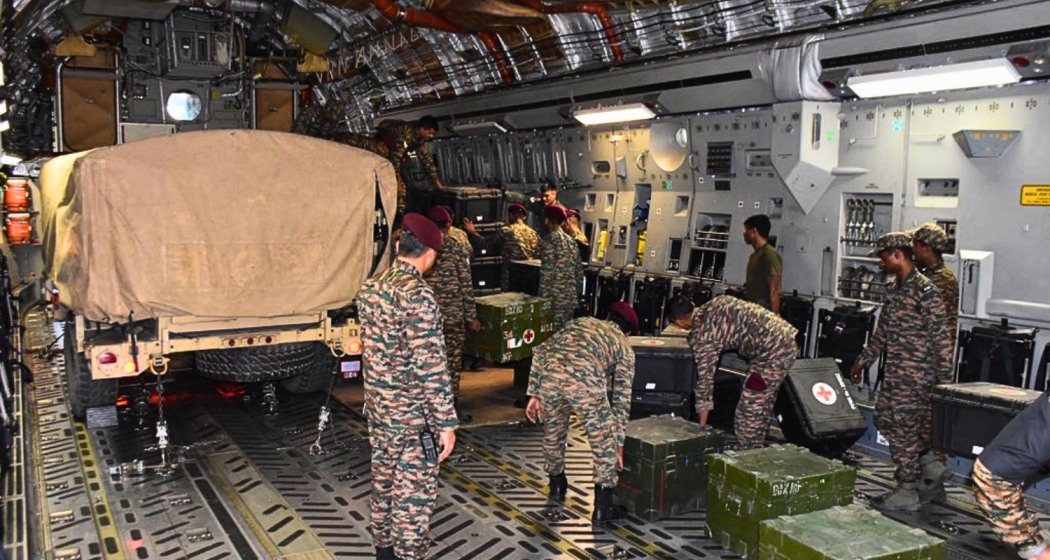
India has launched Operation Amistad, sending an Indian Army medical contingent and field-hospital capability to earthquake-hit Venezuela in a humanitarian mission that places disaster response at the centre of New Delhi's diplomacy. A 41-member Indian Army medical team equipped for emergency response and trauma care was sent with relief supplies, including the rapidly deployable BHISHM Cube field hospital. Two Indian Air Force C-17 Globemaster aircraft were used to move the field hospital, medical personnel and humanitarian aid. The team came from the 60 Para Field Hospital and was sent to support relief operations in northern Venezuela.
The mission matters because it shows how India's disaster-relief diplomacy is becoming more operational. Statements of solidarity are common after major earthquakes, floods and storms. What distinguishes this response is the dispatch of a medical team and a portable hospital designed for rapid deployment. The BHISHM Cube is part of India's Aarogya Maitri emergency-response approach, intended to give field teams modular medical capacity when local hospitals are damaged, overwhelmed or cut off from supply lines.
The immediate need in Venezuela is medical. Earthquakes create trauma injuries, crush injuries, fractures, infection risk, displacement and pressure on already stretched local systems. Even a relatively small international medical team can help if it arrives with usable equipment, triage capability and coordination with local authorities. The useful measure is not only how much material is flown in, but whether the aid reaches the right places, plugs into local command structures and supports survivors without creating logistical confusion.
For India, the deployment also carries a diplomatic signal. New Delhi has increasingly used humanitarian assistance and disaster relief to project itself as a first responder beyond its immediate neighbourhood. Previous Indian missions after earthquakes, cyclones and evacuations have built an operational template: military airlift, medical teams, rescue specialists, supplies and public messaging that frames assistance as part of a wider responsibility to the global community. Operation Amistad fits that pattern.
There is a practical strategic point as well. Disaster response builds relationships in moments when governments and citizens are paying close attention. A field hospital, doctors and emergency supplies are not abstract policy. They are visible, urgent and measurable. For countries in Latin America, Africa, the Indian Ocean and Asia, that kind of response can shape perceptions of India as a partner with capabilities, not only as a market or diplomatic voice.
The mission should still be judged carefully. Relief flights make strong images, but humanitarian work depends on follow-through: medical handover, supply tracking, patient care, coordination with other international teams and respect for local needs. If the Indian team can provide trauma care, stabilise patients and help reduce pressure on Venezuelan responders, Operation Amistad will be more than symbolic.
For Indian readers, the larger story is that the country's military and health systems are being used in a broader public-service role overseas. That can build goodwill, but it also requires readiness, training and transparency. The Venezuela deployment is a reminder that humanitarian diplomacy works best when it is fast, specific and useful on the ground.
Related Stories
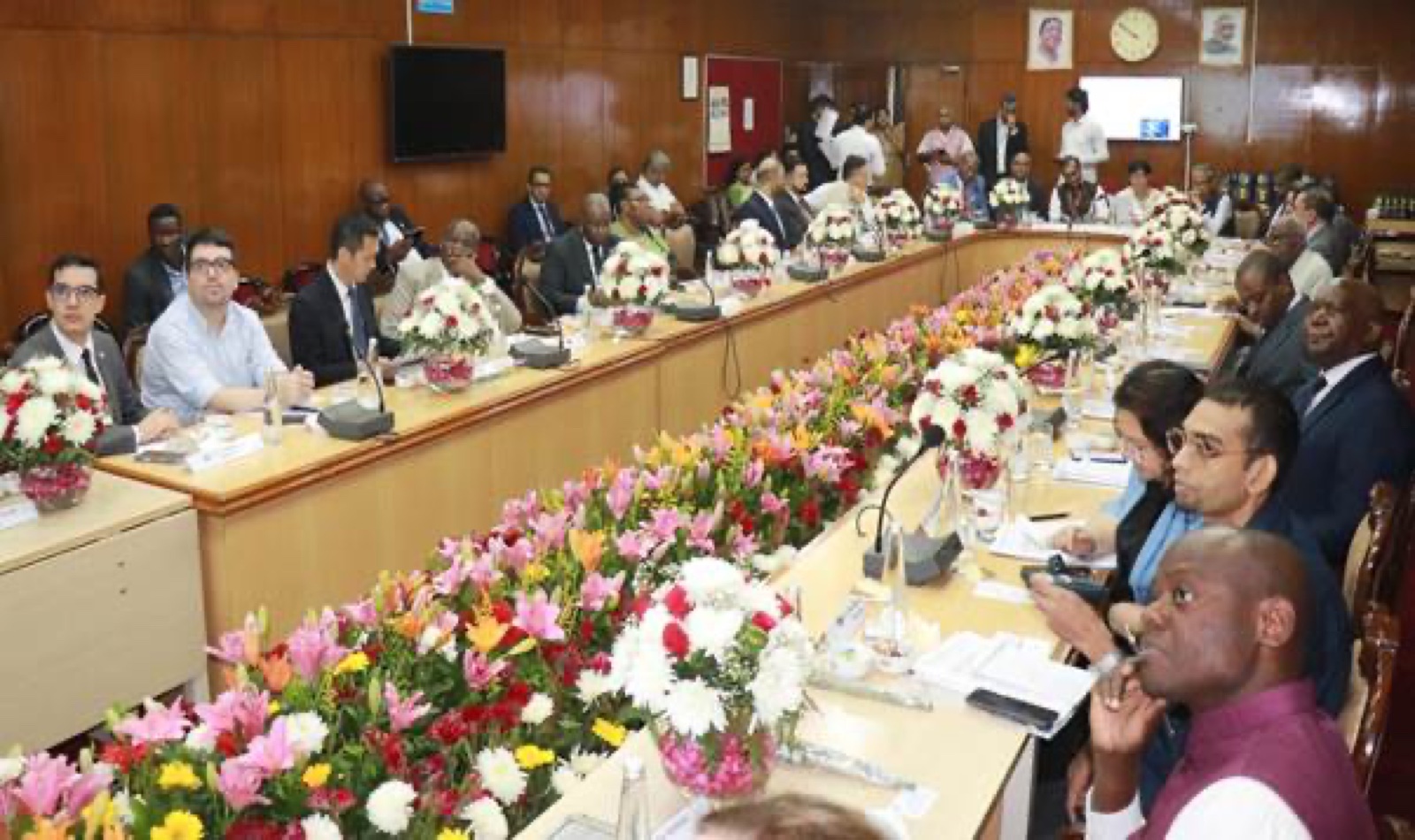
CSIR Opens a Practical Science-Diplomacy Channel for Global South Partners
A new MEA–CSIR programme brought representatives from 29 countries into New Delhi laboratories to examine collaboration around infrastructure, genomics and healthcare.
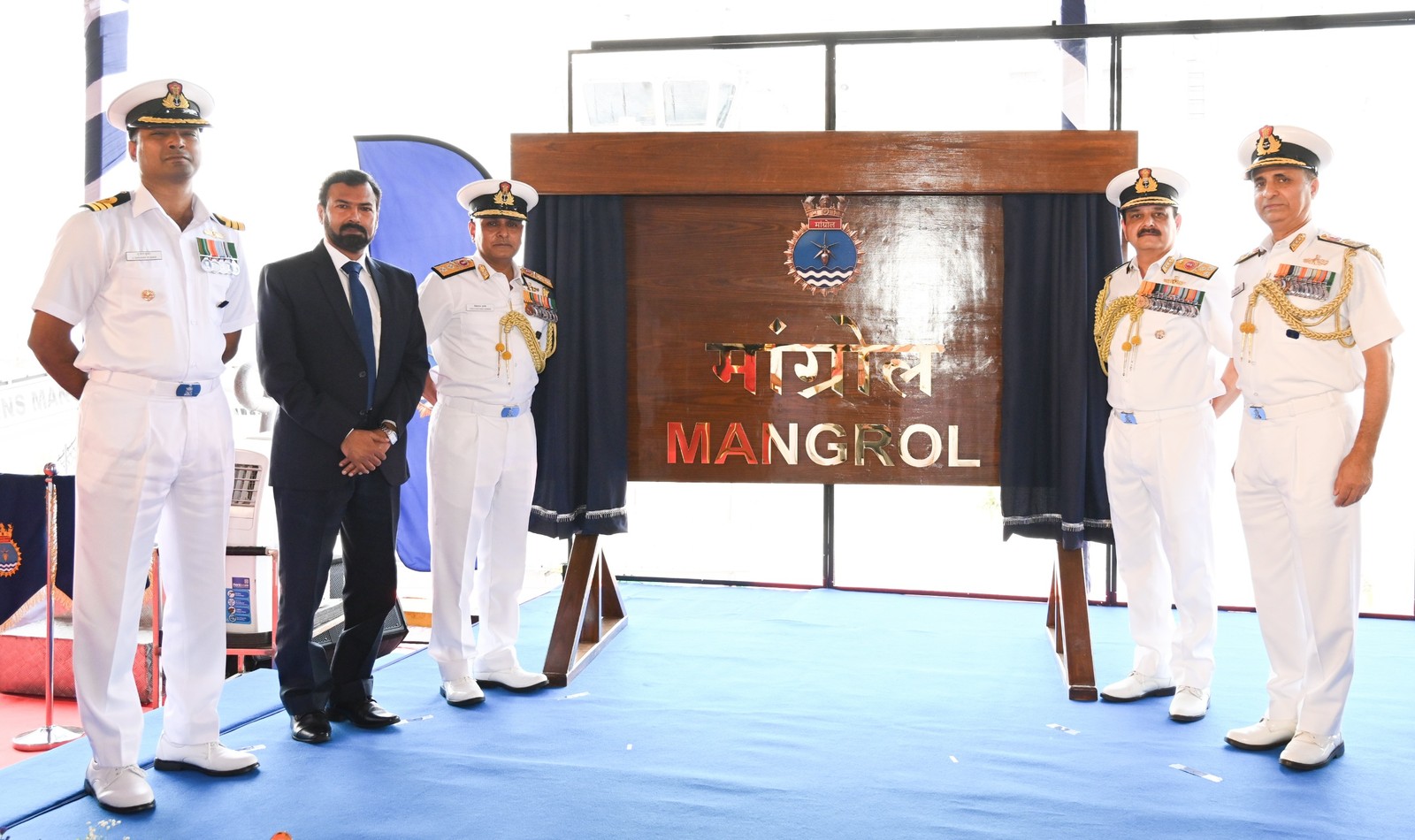
INS Mangrol Commissioning Turns Shallow-Water Defence Into A Shipbuilding Signal
The third Mahe-class ASW shallow-water craft has joined the Navy with more than 80 percent indigenous content and a coastal-submarine focus.
Bokaro Gas Deaths Put Industrial Safety Back Under The 72-Hour Clock
Two men died after gas exposure at ESL Steel's Bokaro plant, with the district administration ordering a site report within 72 hours.
