Indian Sailors' Deaths In Strait Of Hormuz Put Modi-Trump G7 Talks Under Pressure
The deaths of three Indian seafarers in the Strait of Hormuz turn G7 week into a diplomatic test for New Delhi, with questions over accountability, maritime safety and India's response.
The deaths of three Indian seafarers in the Strait of Hormuz have turned a distant security crisis into an immediate Indian political and diplomatic test. The Guardian reported that the sailors were killed when the United States launched missile strikes on a commercial oil tanker last week as part of its blockade pressure on Iran. The report said Indian officials lodged a strong protest, summoned a senior US diplomat and that External Affairs Minister S Jaishankar raised the issue directly with US Secretary of State Marco Rubio. The timing is politically sensitive because Prime Minister Narendra Modi is attending the G7 summit in France, where a bilateral meeting with US President Donald Trump has been expected.
For India, the issue is not only the loss of three citizens. Indian seafarers work across global shipping routes, including energy corridors where sanctions, military deployments and insurance pressure can quickly become life-and-death risks. When a commercial vessel is hit in a strategic waterway, the question for New Delhi is whether the safety of Indian crew is being treated as a central concern or as collateral detail in a larger conflict. That distinction will matter to maritime workers, ship managers, families and the public.
The diplomatic tension is sharpened by the reported American response. The Guardian said Rubio defended the blockade action and did not offer the apology or public condolence Indian critics were demanding. Opposition leaders in India have used that response to accuse the government of being too cautious with Washington. Families of the deceased have asked for answers and for the return of remains. Those demands are basic, but they also carry larger force because they ask whether a strategic partner is accountable when Indian lives are lost.
Modi's G7 setting makes the issue harder to contain. The summit was already expected to include conversations on trade, security, energy and global conflict. If the deaths are raised directly with Trump, India will need to balance public firmness with the practical need to keep channels open. If they are not visibly raised, the government risks a domestic charge that it avoided a painful subject while standing beside the leaders most connected to it.
The crisis also exposes India's complicated position in global energy politics. India depends heavily on imported energy and on seaborne trade. It has tried to protect its economic interests while managing relations with the United States, Gulf states and other powers. A blockade around a critical oil route affects freight, insurance, supply chains and the safety of Indian nationals. It is therefore not an abstract foreign-policy dispute.
The responsible next step is clarity. The public needs a verified account of what happened to the vessel, what warning was given, what rescue assistance was attempted and how India is pressing for accountability. Seafarers' families need direct communication rather than diplomatic generalities. Shipping companies need stronger risk guidance if routes remain exposed.
India's foreign policy often speaks in the language of strategic autonomy. This is a moment where that phrase has to mean protection for Indian citizens, not only balanced summit statements. The sailors' deaths now sit inside the G7 week as a test of whether New Delhi can defend its people while managing one of its most important relationships.
Related Stories
CSIR Opens a Practical Science-Diplomacy Channel for Global South Partners
A new MEA–CSIR programme brought representatives from 29 countries into New Delhi laboratories to examine collaboration around infrastructure, genomics and healthcare.
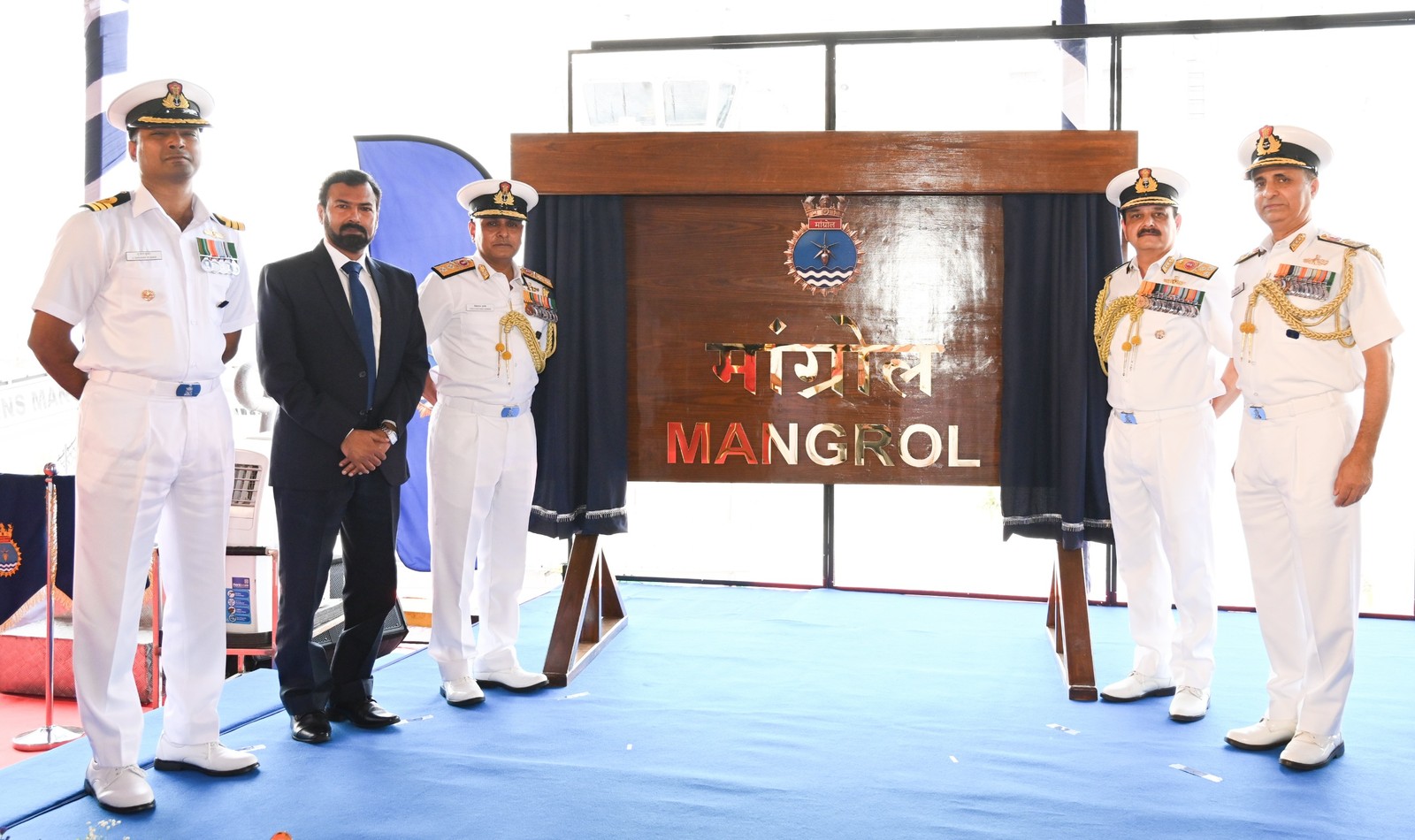
INS Mangrol Commissioning Turns Shallow-Water Defence Into A Shipbuilding Signal
The third Mahe-class ASW shallow-water craft has joined the Navy with more than 80 percent indigenous content and a coastal-submarine focus.

Bokaro Gas Deaths Put Industrial Safety Back Under The 72-Hour Clock
Two men died after gas exposure at ESL Steel's Bokaro plant, with the district administration ordering a site report within 72 hours.
