FSSAI Suspends Delhi Park Plaza Food Licence After Critical Hygiene Violations
India's food regulator has suspended the licence of M/s Park Plaza, a unit of Mahagun Hotels Pvt Ltd in Delhi's Shahdara, after an inspection found multiple critical hygiene and food-safety violations.

India's food regulator has suspended the licence of M/s Park Plaza, a unit of Mahagun Hotels Pvt Ltd in Delhi's Shahdara, after an inspection found multiple critical hygiene and food-safety violations. Times of India reported that the Food Safety and Standards Authority of India suspended the licence with immediate effect for 15 days in the interest of public health. The hotel has been directed to stop all food business activity during the suspension period and submit a compliance report after correcting the non-conformities.
The inspection findings were severe. According to the report, FSSAI said inspectors found heavily deteriorated black cooking oil being used for frying, severe unhygienic conditions, active water leakage inside walk-in chillers, water stagnation, and heavy infestation of flies and cockroaches. The inspection also recorded fungal growth on tomatoes and beetroot, spoiled lemons stored for use, and failure to segregate vegetarian and non-vegetarian food, ingredients and utensils. Those are not technical paperwork issues. They are direct food-safety risks for customers and workers.
The details matter because hotels carry a higher trust burden than many informal food outlets. A customer entering a branded hotel restaurant usually assumes a baseline of kitchen discipline, cold-chain control, pest management, staff hygiene, storage checks and cross-contamination prevention. If those systems fail, the risk can extend across buffet service, banquet kitchens, room service, staff meals and event catering. The regulator's immediate suspension signals that some findings were considered too serious to allow business to continue while fixes were still pending.
FSSAI also reported additional concerns that show how quickly kitchen risk can compound. Inspectors found around 63.6 kg of expired food products stored for use in food preparation, food handlers with open wounds active in food preparation, a hairnet inside a cocoa powder storage container, refilled drinking-water bottles that had not been washed or sanitised, and kitchen equipment and contact surfaces lacking mandatory cleaning. Any one of these would require correction. Together, they point to breakdowns in daily supervision.
The hotel has been given 15 days to rectify all non-conformities and submit a comprehensive compliance report supported by documentary evidence. Failure to comply could lead to further proceedings, including cancellation of the licence. That creates a clear next step for the business: it must demonstrate not only that visible problems were cleaned, but that systems have changed. Regulators will need evidence of pest control, discarded expired stock, staff health checks, segregation controls, cleaning logs, oil-use monitoring and storage discipline.
For consumers, the case is a reminder that food safety is not limited to street stalls or small restaurants. High-end and mid-market hospitality businesses can also fail basic controls when supervision weakens. For operators, the message is equally direct: reputation does not substitute for compliance. India's food economy is expanding through hotels, delivery kitchens, airport outlets, clubs and event venues. Enforcement cases like this make the sector's operating standard more visible, and they give customers a basis to expect documented hygiene rather than brand assurance alone. The next public test is whether the establishment can show durable corrective action rather than a short clean-up before reopening.
Related Stories
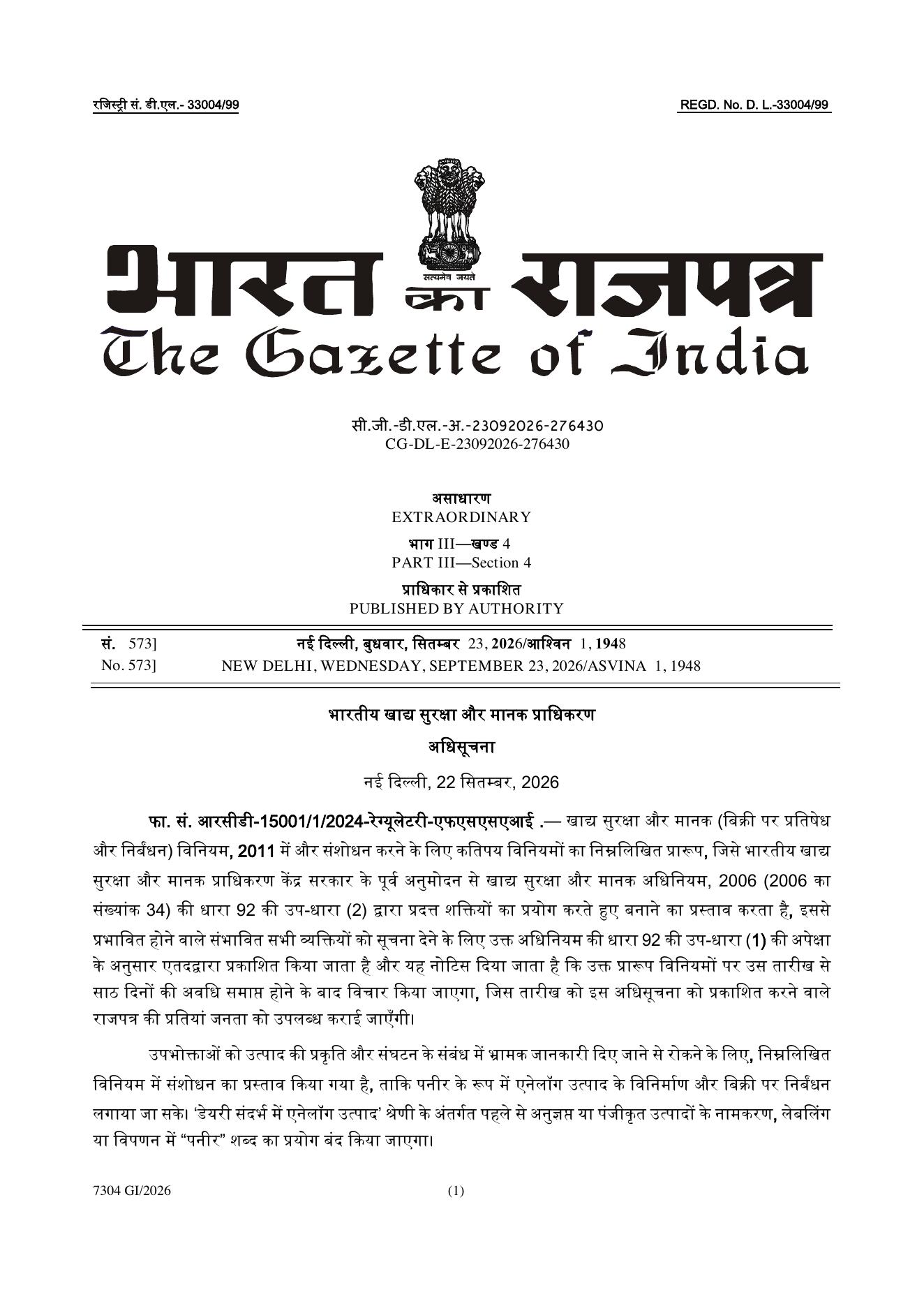
FSSAI Draft Paneer Rule Targets Misleading Non-Milk Dairy Analogue Labels
The Food Safety and Standards Authority of India has proposed a draft amendment to prevent non-milk analogue products from being represented as paneer, a...

Dabur Begins Label Changes After FSSAI Stops Misleading 100 Percent Food Claims
Dabur has begun changing product labels after the Food Safety and Standards Authority of India told the company to stop selling food products carrying...

PepsiCo India Drops Energy Label From Sting After FSSAI Category Order
PepsiCo India has started removing the word "energy" from new Sting cans and bottles after the Food Safety and Standards Authority of India moved against the...
