PepsiCo India Drops Energy Label From Sting After FSSAI Category Order
PepsiCo India has started removing the word "energy" from new Sting cans and bottles after the Food Safety and Standards Authority of India moved against the...

PepsiCo India has started removing the word "energy" from new Sting cans and bottles after the Food Safety and Standards Authority of India moved against the use of "energy drink" labelling for beverages that do not fit a notified food category. The change may look like a small packaging edit, but it is an important signal for India's fast-growing functional beverage market. Regulators are making clear that high-caffeine branding, category language and consumer claims have to match the food standards framework rather than marketing convention.
Economic Times reported that PepsiCo India has acted ahead of FSSAI's 90-day deadline, while other beverage companies are seeking more time from the government. The same report said distributors have already started declining existing energy-drink stock from some companies, showing how quickly regulatory wording can affect the supply chain. If distributors worry that a label may soon be non-compliant, they may slow orders rather than hold inventory that could become difficult to sell.
The regulatory issue follows earlier FSSAI notices to brands including Red Bull, PepsiCo products, Reliance Consumer Products' Campa Energy Drink Gold Boost, Sting, Hell Energy and Coca-Cola-backed Monster Energy over alleged misbranding and misleading claims. India Today reported in July that the regulator said no specific standard had been notified for products classified as "energy drinks" or similar beverages. That is the key point. A company may sell a caffeinated beverage, but calling it an "energy drink" can imply a recognised category, set of effects or regulatory status that may not exist under current standards.
For consumers, the dispute is about clarity. Many buyers understand "energy drink" as a shorthand for caffeine, sugar, stimulants or a performance-oriented beverage. But regulators are concerned that labels and category language can overstate function, obscure ingredient implications or make products sound more officially defined than they are. Removing a word does not change the drink's formula by itself, but it can change the claim being made at the shelf. The public benefit depends on whether companies also make caffeine content, ingredients and warnings easy to understand.
For beverage makers, the case is a reminder that India's packaged food and drink market is now large enough for compliance details to have commercial consequences. A category phrase on a can affects advertising, retail placement, sponsorship, distribution and consumer expectation. Once a regulator challenges that phrase, companies must coordinate packaging artwork, manufacturing runs, distributor stock, retailer education and marketing material. The faster a company acts, the less likely it is to face stranded inventory or enforcement risk.
The industry may argue that consumers already recognise energy drinks as a global category and that India should create a clearer standard rather than forcing companies into workaround language. That argument may have merit, but until a standard exists, brands are exposed if they use terms the regulator considers misleading. PepsiCo's Sting change is therefore more than a brand tweak. It is a live example of how FSSAI's labelling enforcement can reshape a high-growth beverage segment and force companies to choose between aggressive marketing language and conservative compliance.
Related Stories
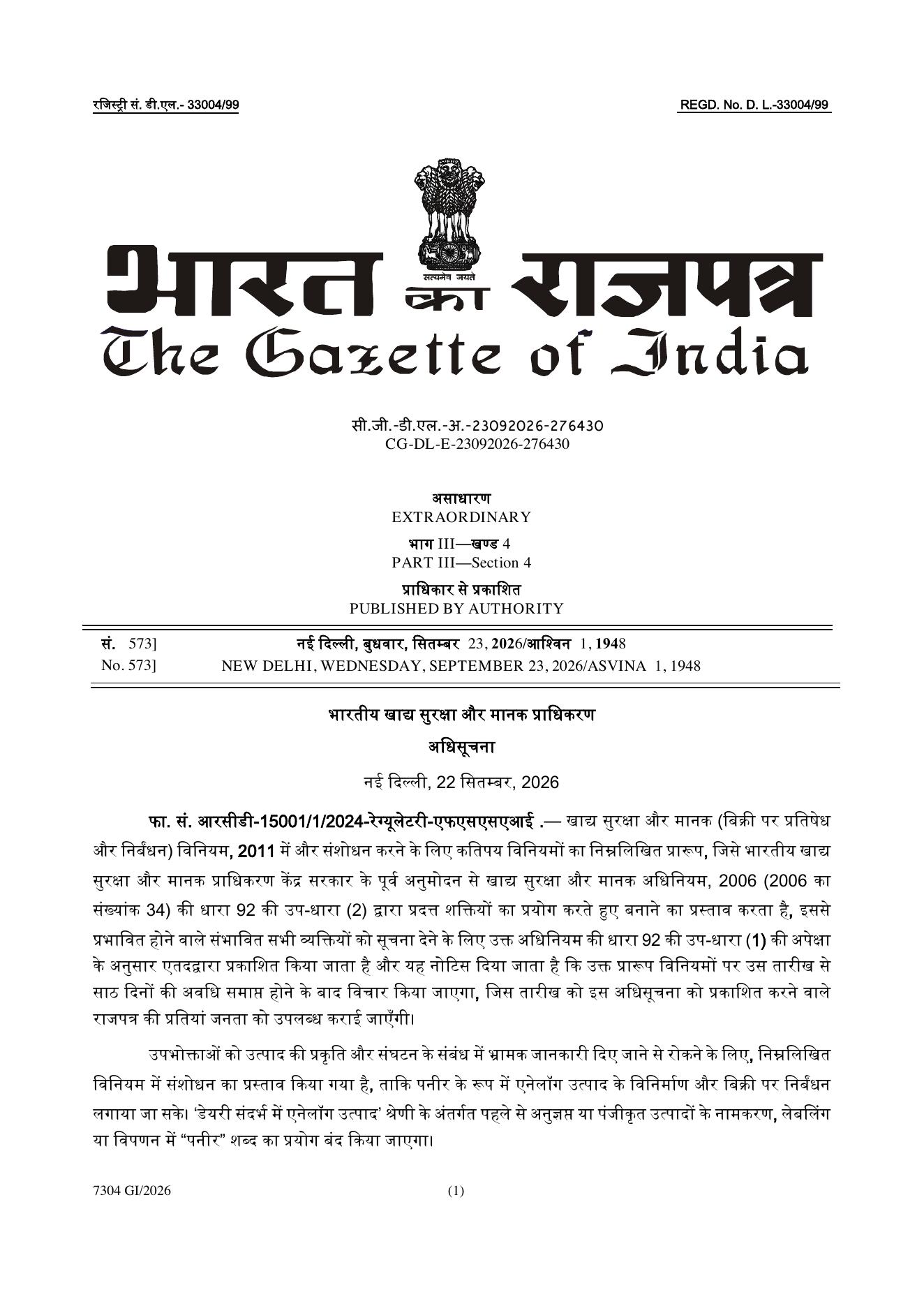
FSSAI Draft Paneer Rule Targets Misleading Non-Milk Dairy Analogue Labels
The Food Safety and Standards Authority of India has proposed a draft amendment to prevent non-milk analogue products from being represented as paneer, a...

Dabur Begins Label Changes After FSSAI Stops Misleading 100 Percent Food Claims
Dabur has begun changing product labels after the Food Safety and Standards Authority of India told the company to stop selling food products carrying...

FSSAI Names United Spirits And INBREW In Alcohol Flavour Labelling Crackdown
India's food regulator has put alcoholic beverage makers on notice, with the Food Safety and Standards Authority of India initiating enforcement action over alleged flavouring and...
