IMD Forecast Puts Delhi-NCR Gujarat Maharashtra And Northeast On August 3 Rain Watch
India starts Monday with the monsoon still driving disruption risks across several regions, with the India Meteorological Department forecast reported by Economic Times pointing to heavy...

India starts Monday with the monsoon still driving disruption risks across several regions, with the India Meteorological Department forecast reported by Economic Times pointing to heavy and very heavy rain in parts of the north, centre and northeast on August 3. The affected belt includes Delhi-NCR, Gujarat, Maharashtra, Madhya Pradesh, Kerala, Assam, Arunachal Pradesh, Rajasthan and Odisha, with the forecast also flagging thunderstorms in several areas. This is a national weather story because the same monsoon system is touching major cities, agricultural districts, hill routes and flood-prone lowlands at the same time.
Delhi-NCR is expected to see cloudy conditions with light to moderate rain, especially later in the day. That may sound manageable, but rainfall in the capital region can quickly become a transport issue if showers hit during commute windows. Low-lying roads, underpasses and construction corridors are the first places to watch. The forecast is not a blanket shutdown warning, but it is enough for commuters, schools, delivery operators and local authorities to plan for slower movement.
Gujarat and Maharashtra face a different version of the same problem. Economic Times reported that Gujarat could see intermittent showers, with localized heavy rainfall possible in some districts. Maharashtra is forecast to remain under active monsoon conditions, with Konkan, Mumbai and parts of central Maharashtra among the areas where heavier spells may occur. In coastal and urban Maharashtra, short intense rain can affect trains, traffic, flights, markets and informal workers more sharply than a long but steady drizzle.
Central India also remains exposed. Madhya Pradesh and Chhattisgarh are among the regions where heavy to very heavy rainfall and thunderstorms are forecast. This matters for agriculture because August rain can support kharif crops, recharge tanks and improve soil moisture, but excessive rainfall can damage fields, delay spraying, increase pest pressure and make rural roads difficult to use. Farmers will need district-level advisories rather than national summaries because the difference between useful rain and crop stress can be very local.
The northeast is another high-risk zone in any active monsoon phase. Assam, Arunachal Pradesh and Meghalaya were identified as areas likely to see intense spells, and river levels can rise quickly when heavy rain is combined with hill catchments. Flooding, landslides and road blockages remain practical risks, especially where communities depend on a limited number of routes for supplies, medical access and school travel. Authorities will be watching both rainfall totals and local river behaviour.
Rajasthan and Odisha are also in the August 3 watch frame, with parts of Rajasthan facing thunderstorms, lightning and gusty winds in districts such as Jaipur, Jodhpur, Bikaner and Udaipur. Odisha, which has already dealt with flood pressure in recent days, is forecast to see intermittent rain and thunderstorms, especially in coastal and northern districts. Even moderate rain can be more disruptive when catchments and drainage systems are already wet.
The practical message is caution, not panic. People in alert areas should check local administration and IMD updates before travel, avoid waterlogged roads, keep devices charged, and leave extra time for commutes. Businesses that depend on deliveries, outdoor work or intercity transport should expect delays. The August 3 forecast is a reminder that the monsoon is not one single event. It is a moving chain of local impacts, and the safest decisions will be made by watching district-level updates as the day develops.
Related Stories
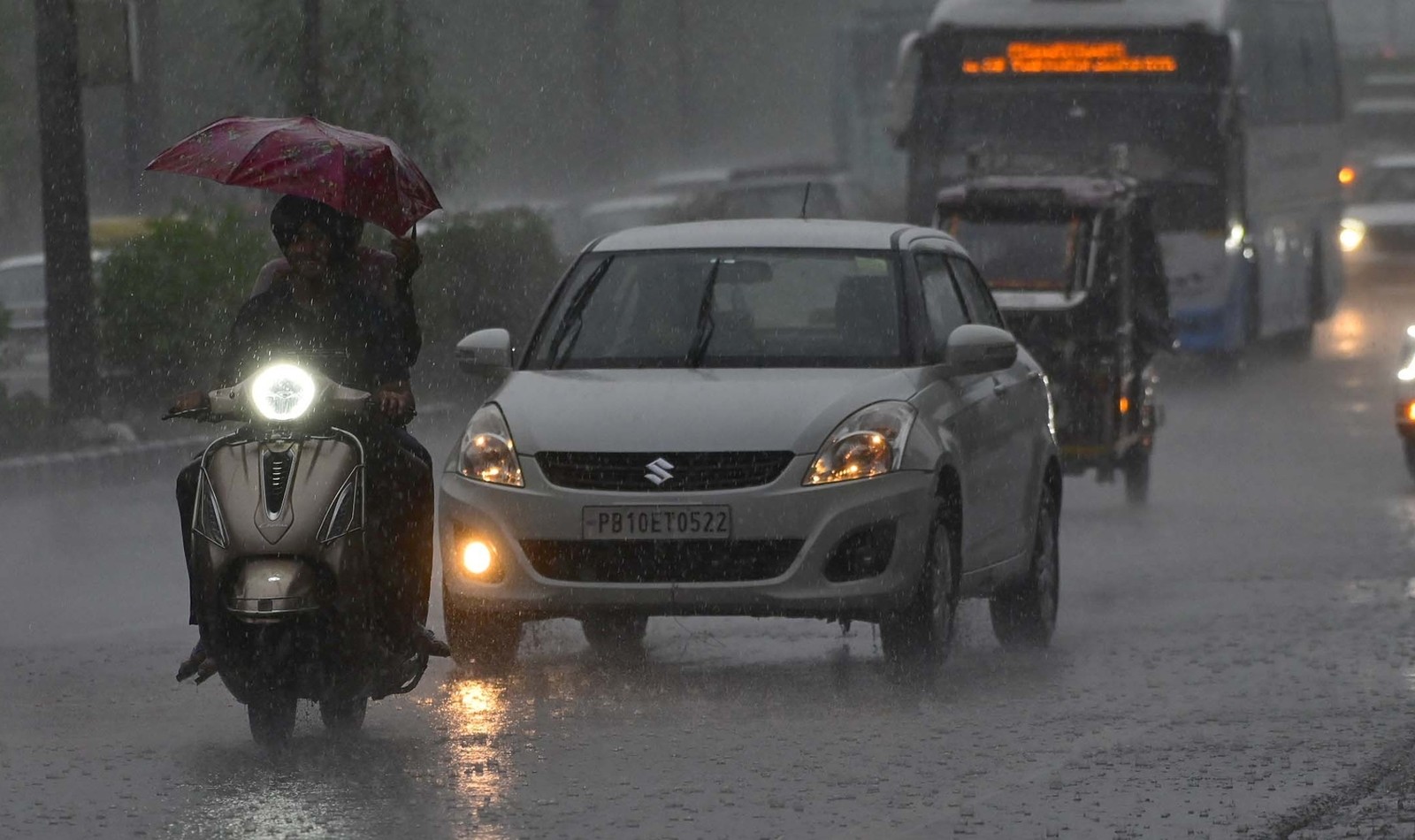
Delhi's Red-Alert Rain Turns A Weather Break Into A Commute Stress Test
Heavy rain, thunderstorms and an IMD red alert brought cooler air but also waterlogging and morning traffic risk across the National Capital Region.
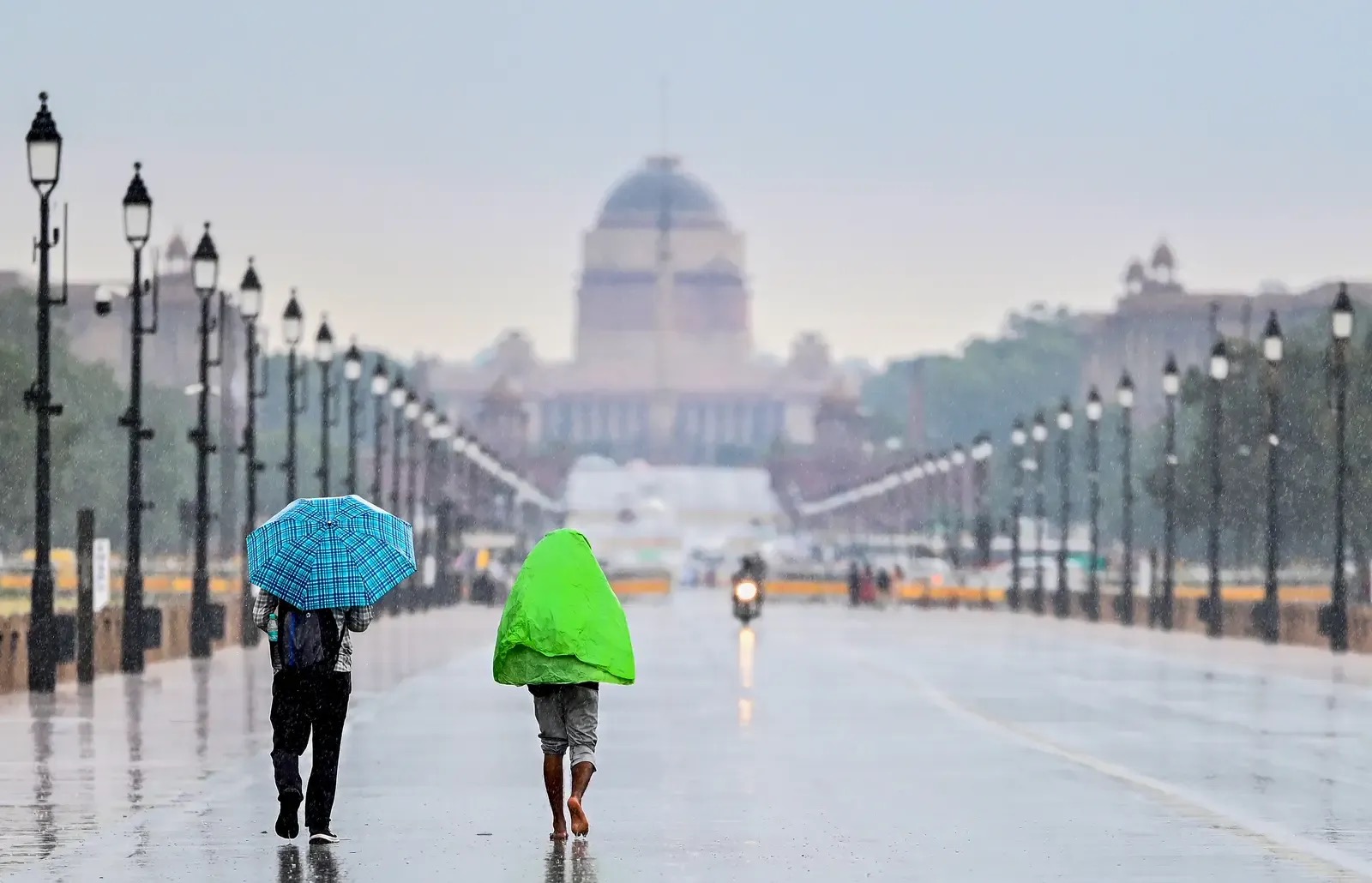
Delhi's Weekend Rain Window Comes With A Dust-Control Warning
Rain, thunderstorms and winds up to 50 kmph may give Delhi-NCR temporary relief, but high minimum temperatures and construction dust keep the air-quality risk alive.
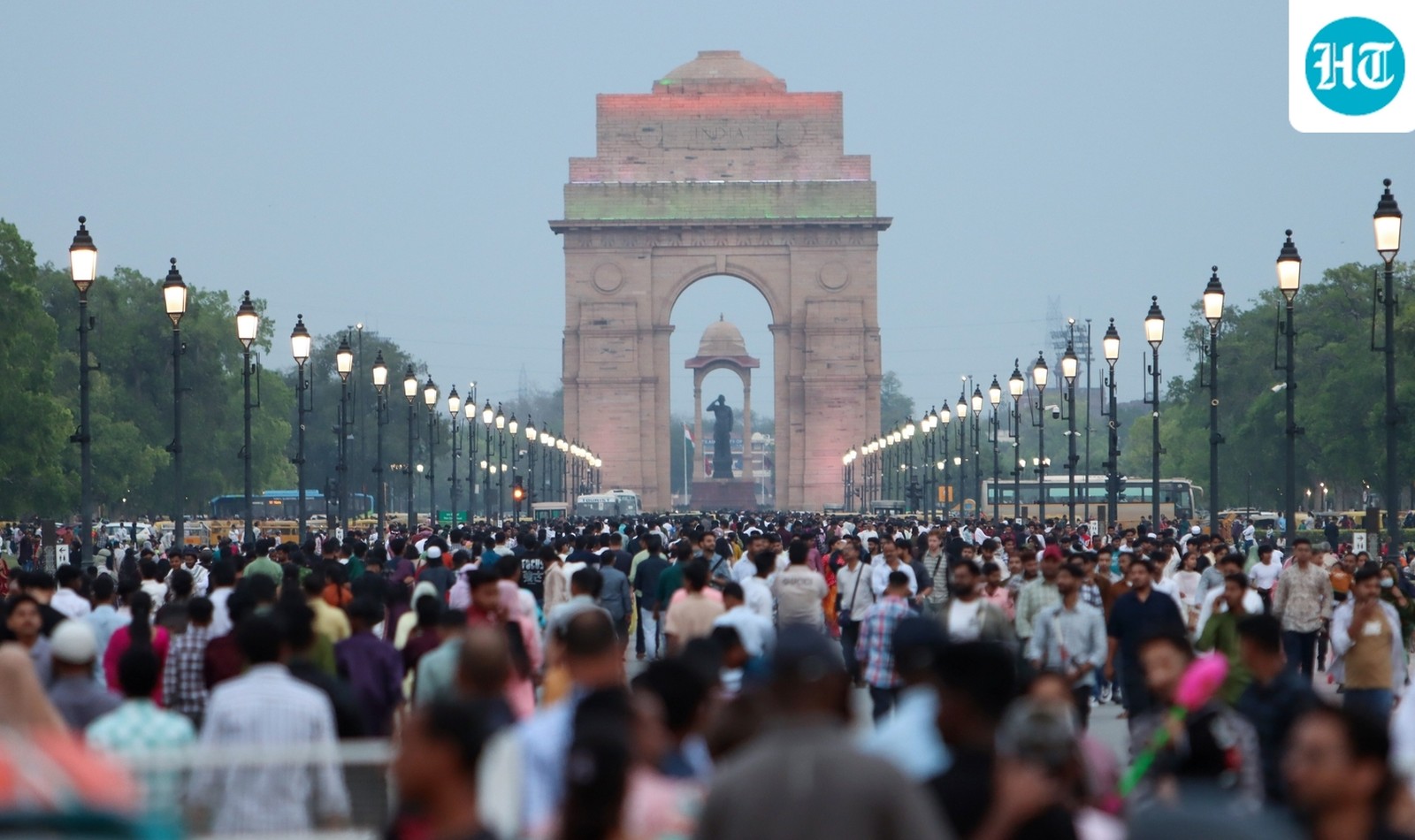
Delhi's Partly Cloudy Forecast Keeps The AQI Watch In Place
IMD's local forecast for New Delhi-Safdarjung shows partly cloudy skies on October 8 after the scattered-rain window, with temperatures expected around 34 and 22 degrees Celsius.