IMD Warns Gujarat, Kerala And Karnataka Of Very Heavy Rain As August Monsoon System Moves West
The India Meteorological Department has warned of a wet and disruptive start to August, with Gujarat, Kerala, coastal Karnataka and south interior Karnataka facing some of the sharpest rainfall risks.

The India Meteorological Department has warned of a wet and disruptive start to August, with Gujarat, Kerala, coastal Karnataka and south interior Karnataka facing some of the sharpest rainfall risks on Saturday. IMD's August 1 rainfall information page said heavy to very heavy rain, with extremely heavy falls at isolated places, was likely over Gujarat State, Kerala and Mahe, coastal Karnataka and south interior Karnataka. Its evening All India Weather Summary added that a well-marked low pressure area over southeast Rajasthan and neighbourhood persisted during the afternoon and was likely to move west-northwestwards across south Rajasthan while weakening during the next 24 hours.
The system is important because it concentrates risk across several zones at once. In northwest India, the IMD bulletin forecast fairly widespread to widespread rainfall over Himachal Pradesh, Jammu-Kashmir-Ladakh-Gilgit-Baltistan-Muzaffarabad and Uttarakhand through August 7. It also flagged heavy rainfall over parts of Himachal Pradesh, Jammu and Kashmir, Uttarakhand, Haryana, Delhi, Punjab and Uttar Pradesh on different days during the week, with very heavy rainfall possible over parts of Rajasthan on August 1 and 2. For residents, that means travel disruption, waterlogging, landslide risk in hill districts and possible interruptions to local services.
Western India faces a different but equally urgent set of warnings. The IMD's all-India bulletin said isolated heavy rainfall was likely over Konkan and Goa from August 1 to 3, over Madhya Maharashtra from August 2 to 3, and over Gujarat Region and Saurashtra and Kutch from August 1 to 2. It also highlighted heavy to very heavy rainfall with extremely heavy rainfall at isolated places over Gujarat State on August 1. That is the kind of forecast that local administrations treat seriously because intense short-period rainfall can overwhelm drainage even where seasonal monsoon systems are expected.
The southern warning also matters for daily life. Kerala, Mahe and coastal and south interior Karnataka were named in the top warning language for August 1. Heavy monsoon rain in these regions can affect highways, ghat roads, school operations, fishing activity and urban commutes. Travellers planning weekend trips along the western coast or into hill regions need to watch district-level alerts rather than relying only on a national summary, because rainfall distribution can change quickly at local scale.
The practical advice is familiar but still necessary. Residents in warning areas should avoid crossing flooded roads, check official district advisories, allow extra travel time and be cautious around rivers, underpasses and unstable slopes. Farmers and businesses should monitor updates because rainfall can be both useful and damaging depending on intensity and timing. IMD's August 1 bulletin does not describe a single-city problem. It describes a broad monsoon pattern, with Gujarat, Kerala, Karnataka, Rajasthan and Himalayan states all needing attention as the system shifts westward.
The forecast also has an economic dimension. Heavy rain can replenish reservoirs and support agriculture, but extreme bursts can damage standing crops, delay freight movement and interrupt construction work. Urban centres face a different cost through traffic delays, power faults and lost working hours. That is why IMD's warnings are not only public safety messages. They are operational signals for municipal teams, disaster authorities, transport operators, hospitals, schools and businesses. The most useful response is early coordination, because once intense rain begins, emergency decisions become slower and more expensive.
Related Stories
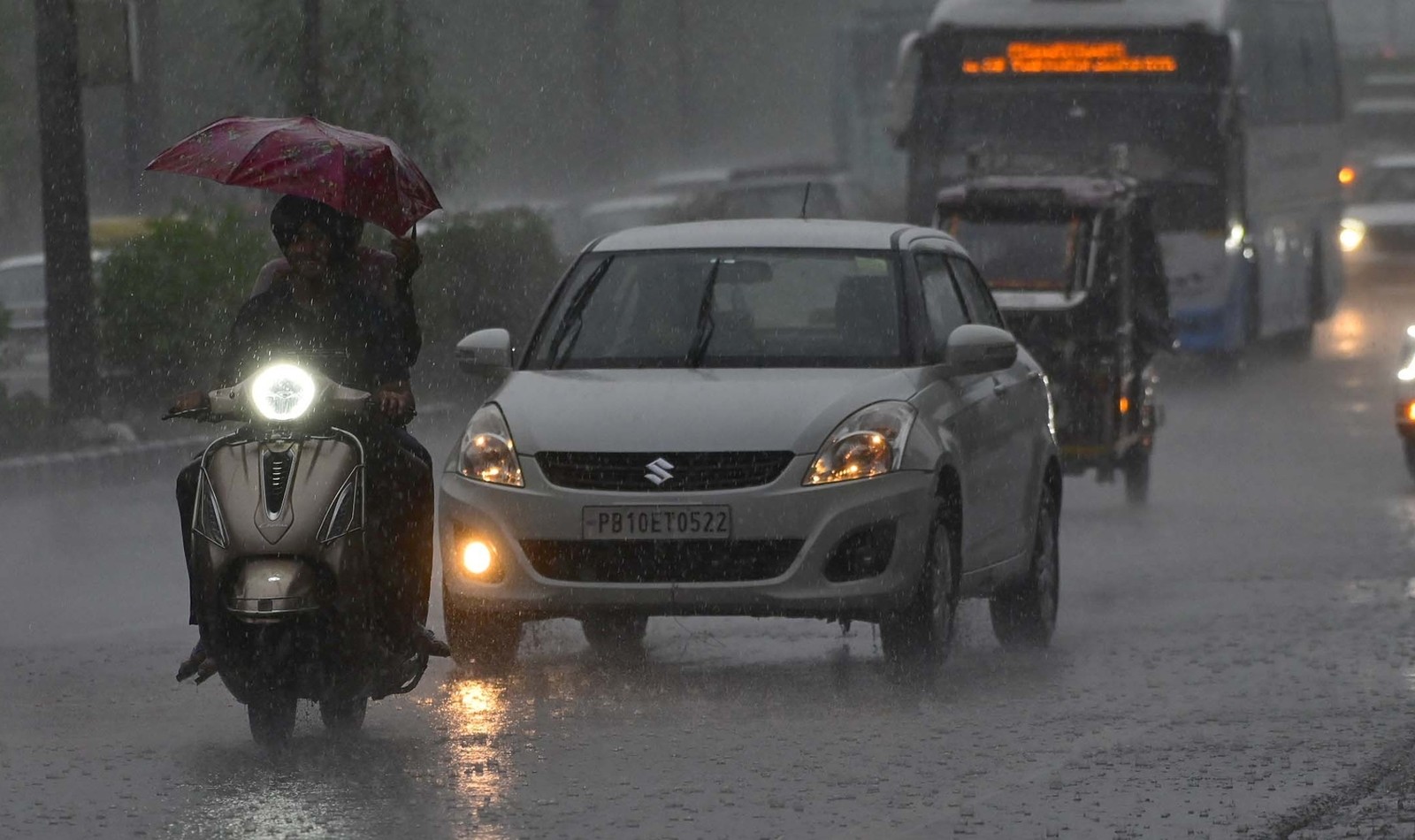
Delhi's Red-Alert Rain Turns A Weather Break Into A Commute Stress Test
Heavy rain, thunderstorms and an IMD red alert brought cooler air but also waterlogging and morning traffic risk across the National Capital Region.

Delhi's Weekend Rain Window Comes With A Dust-Control Warning
Rain, thunderstorms and winds up to 50 kmph may give Delhi-NCR temporary relief, but high minimum temperatures and construction dust keep the air-quality risk alive.
Delhi's Partly Cloudy Forecast Keeps The AQI Watch In Place
IMD's local forecast for New Delhi-Safdarjung shows partly cloudy skies on October 8 after the scattered-rain window, with temperatures expected around 34 and 22 degrees Celsius.