IMD Warns Konkan, Goa And Madhya Maharashtra Of Very Heavy Rain On August 5
The India Meteorological Department's August 4 warning bulletin points to a difficult August 5 for parts of western and central India, with very heavy rain...

The India Meteorological Department's August 4 warning bulletin points to a difficult August 5 for parts of western and central India, with very heavy rain warnings for Konkan and Goa and Madhya Maharashtra, and heavy rain flagged in several other subdivisions over the surrounding days. The warning is important because it comes during an already active monsoon stretch, when saturated ground, full drains and repeated showers can turn another forecast into transport delays, waterlogging, landslides or local flooding.
The official subdivision warning for Konkan and Goa listed heavy rain for August 4, very heavy rain for August 5 and heavy rain again for August 6. Madhya Maharashtra was placed under heavy rain and thunderstorm warnings on August 4, followed by very heavy rain warnings on August 5 and August 6. Vidarbha also carried heavy rain and thunderstorm warnings for August 4 and thunderstorm-related risk for August 5. Those region-specific warnings matter more than a generic national monsoon forecast because they tell local authorities where to prepare drainage, road crews, advisories and emergency response.
Economic Times weather coverage also described a wider alert map for August 5, citing heavy to very heavy rainfall risk across states including Assam, Meghalaya, Arunachal Pradesh, Bihar, Odisha, Sub-Himalayan West Bengal, Sikkim, Uttar Pradesh, Uttarakhand, Konkan and Goa and Madhya Maharashtra. Delhi, Haryana and Punjab were expected to see rain or thunderstorms, while parts of the Himalayan belt and southern India remained under unsettled conditions. The practical effect is that travellers crossing regions may face disruption even if their origin city has only light rain.
For Mumbai, Goa, Pune, Nashik and nearby travel corridors, the western warning pattern is especially relevant. Konkan and Goa often face intense short-duration rain, low-lying road flooding and rail or highway slowdowns during active monsoon spells. Madhya Maharashtra can see sharp local runoff and rural road disruption when very heavy rain concentrates over catchments. Hill routes, coastal drives and late-night intercity transfers deserve extra caution because visibility, road surface condition and landslide risk can change quickly.
The warning also matters for agriculture and urban services. Farmers may welcome rainfall in some districts, but very heavy showers can damage standing crops, delay field work or create drainage problems. Cities need working stormwater systems, traffic diversions and clear public communication. Schools and workplaces should watch district-level orders rather than assume a state-wide closure. Previous weather reporting for August 5 made clear that no nationwide school holiday had been declared; decisions were expected to depend on local severity and district instructions.
Residents in warned districts should check official updates before travel, avoid flooded underpasses, keep phones charged, secure loose outdoor material and follow local authority instructions on school, road and coastal restrictions. Commuters should also build in extra time for airport access roads, suburban rail links and bus corridors where waterlogging can create delays well before any formal closure is announced. The monsoon itself is seasonal, but very heavy rainfall warnings are operational signals. They are not background weather chatter. On August 5, the safest approach is to treat IMD alerts as live planning information and allow more time for every movement through rain-affected belts.
Related Stories
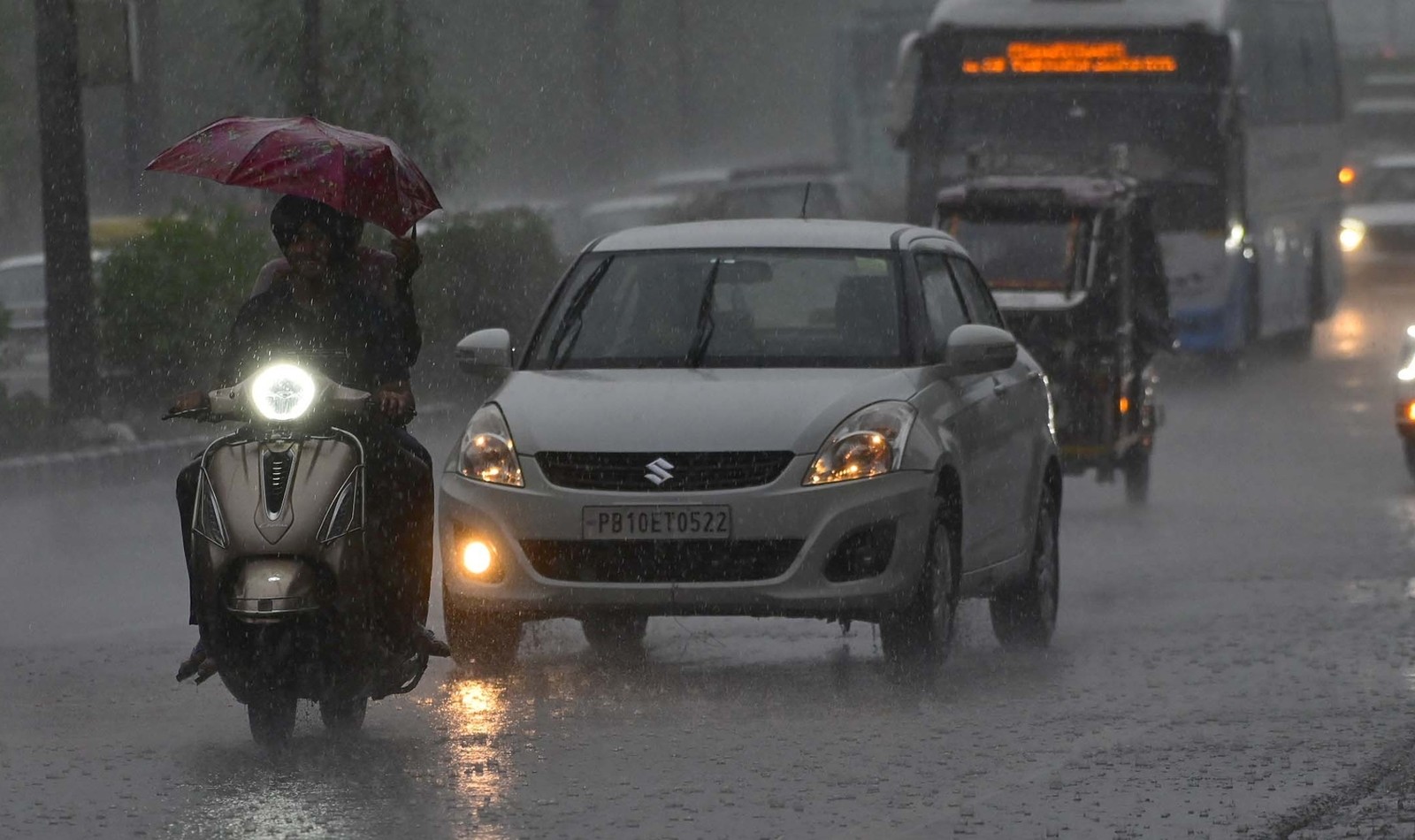
Delhi's Red-Alert Rain Turns A Weather Break Into A Commute Stress Test
Heavy rain, thunderstorms and an IMD red alert brought cooler air but also waterlogging and morning traffic risk across the National Capital Region.

Delhi's Weekend Rain Window Comes With A Dust-Control Warning
Rain, thunderstorms and winds up to 50 kmph may give Delhi-NCR temporary relief, but high minimum temperatures and construction dust keep the air-quality risk alive.
Delhi's Partly Cloudy Forecast Keeps The AQI Watch In Place
IMD's local forecast for New Delhi-Safdarjung shows partly cloudy skies on October 8 after the scattered-rain window, with temperatures expected around 34 and 22 degrees Celsius.