Kalka-Shimla Toy Trains Suspended Until August 5 As IMD Rain Alerts Hit Travel
Monsoon disruption has moved from the forecast map into passenger timetables, with four Kalka-Shimla toy train services suspended until August 5 because of heavy rain, landslide...

Monsoon disruption has moved from the forecast map into passenger timetables, with four Kalka-Shimla toy train services suspended until August 5 because of heavy rain, landslide risk and the threat of falling rocks on the hill railway. The suspension affects two services in each direction on the UNESCO-listed narrow-gauge route, including the Shivalik Deluxe Express pair and one Kalka-Shimla Express pair. Railway officials have said the measure is precautionary and that teams are monitoring the line while clearing vulnerable sections when conditions allow.
The local disruption fits a wider weather picture. The India Meteorological Department's all-India weather material for August 4 pointed to continued active monsoon conditions, with isolated heavy rainfall likely in several regions and very heavy rain warnings in parts of the western coast and central India. Forecast summaries from Indian outlets also highlighted alerts across Delhi, Kerala, Bihar, West Bengal, Sikkim, parts of the northeast, Himalayan states and coastal belts. For travellers, the practical message is that the most important forecast may not be the one for a destination city, but the one for the route in between.
The Kalka-Shimla line is especially vulnerable because the railway moves through steep terrain where saturated slopes can shed rocks or debris with little warning. The route has long been one of north India's most recognisable heritage journeys, but its scenic value comes with monsoon exposure. Officials said three daily services from Kalka to Shimla were continuing while the suspended trains remain off the timetable. That gives passengers some options, but it also means seats, timing and onward connections may be tighter than usual.
The disruption also shows why rail and road operators are increasingly cautious during intense rain spells. A train halted by debris can become a safety incident quickly if the driver has limited visibility or if additional material falls after an initial slide. A conservative suspension can frustrate passengers, but it is easier to defend than pushing through a section before engineers are comfortable. The same logic applies to roads in Himachal Pradesh, Uttarakhand and other hill states where open highways can still face intermittent local closures, diversions or slowdowns.
The economic effect is broader than a few cancelled tourist journeys. Hill railways support hotels, taxis, small food businesses, guides and weekend travel operators that depend on predictable arrivals. When a route is partly suspended, visitors may postpone trips or shift to road travel, while local workers still need to reach jobs. That makes communication important. Clear cancellation lists, timely refund information and honest updates about engineering inspections can reduce confusion. In a heavy-rain week, uncertainty is often what causes the worst passenger experience, especially for families with fixed hotel bookings or limited alternatives.
Passengers planning hill travel over the next several days should check live railway status rather than relying on older schedules, keep accommodation and onward bookings flexible, and avoid late-night road transfers through slide-prone stretches where possible. Airlines and intercity trains in other regions may also face knock-on delays if rain affects access roads, station approaches or city traffic. The broader monsoon is not unusual for August, but the intensity and spread of alerts mean travel plans need more margin. The safe assumption this week is simple: confirm before leaving, carry time buffers, and treat official warnings as operational information, not background weather noise.
Related Stories
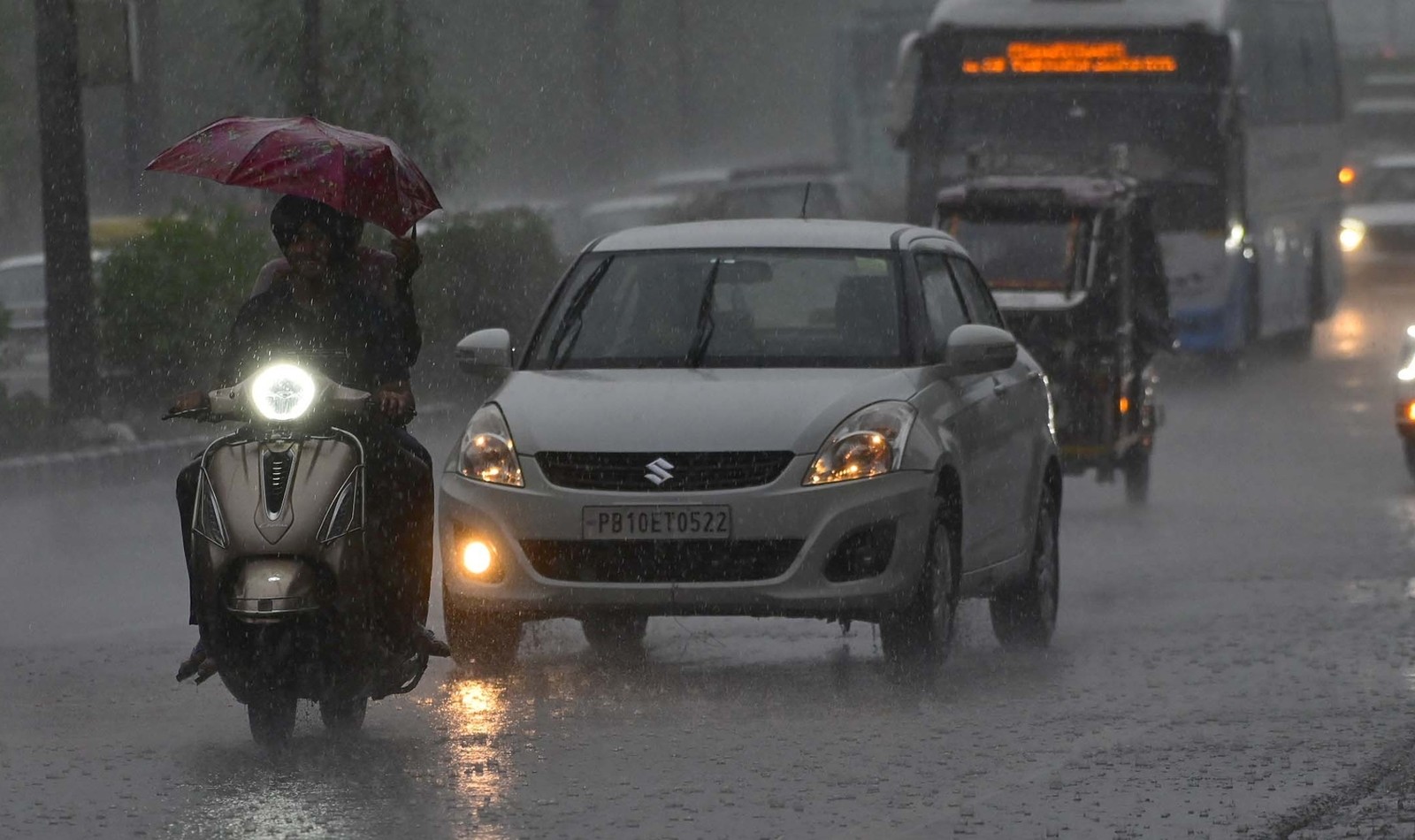
Delhi's Red-Alert Rain Turns A Weather Break Into A Commute Stress Test
Heavy rain, thunderstorms and an IMD red alert brought cooler air but also waterlogging and morning traffic risk across the National Capital Region.
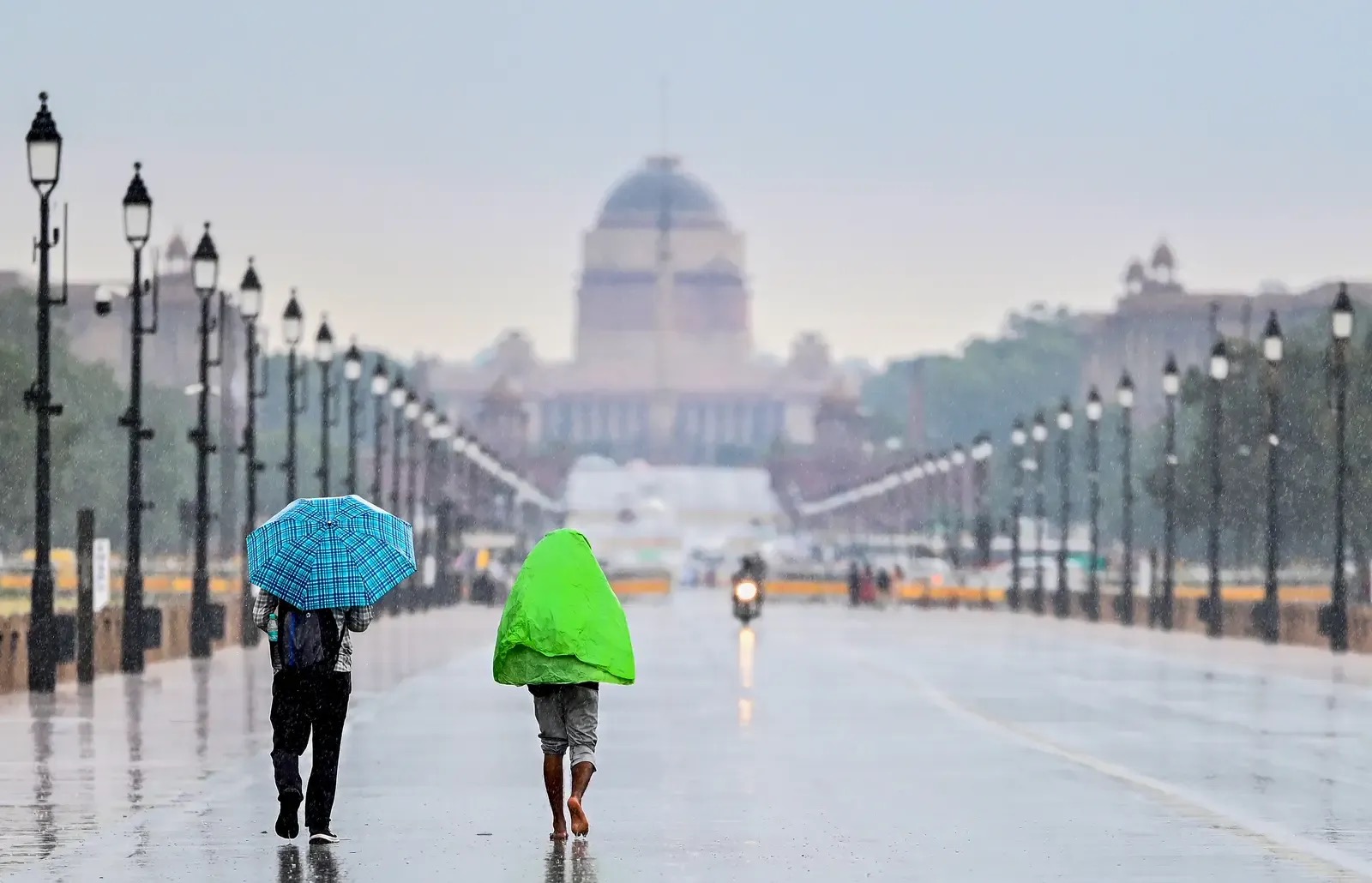
Delhi's Weekend Rain Window Comes With A Dust-Control Warning
Rain, thunderstorms and winds up to 50 kmph may give Delhi-NCR temporary relief, but high minimum temperatures and construction dust keep the air-quality risk alive.
Delhi's Partly Cloudy Forecast Keeps The AQI Watch In Place
IMD's local forecast for New Delhi-Safdarjung shows partly cloudy skies on October 8 after the scattered-rain window, with temperatures expected around 34 and 22 degrees Celsius.