PM Modi Chairs June 11 NITI Aayog Meeting On Jobs, Skills And Human Development
Prime Minister Narendra Modi chairs the 11th Governing Council meeting of NITI Aayog in New Delhi, putting jobs, skills and inclusive human development at the centre of the day's national policy conversation.
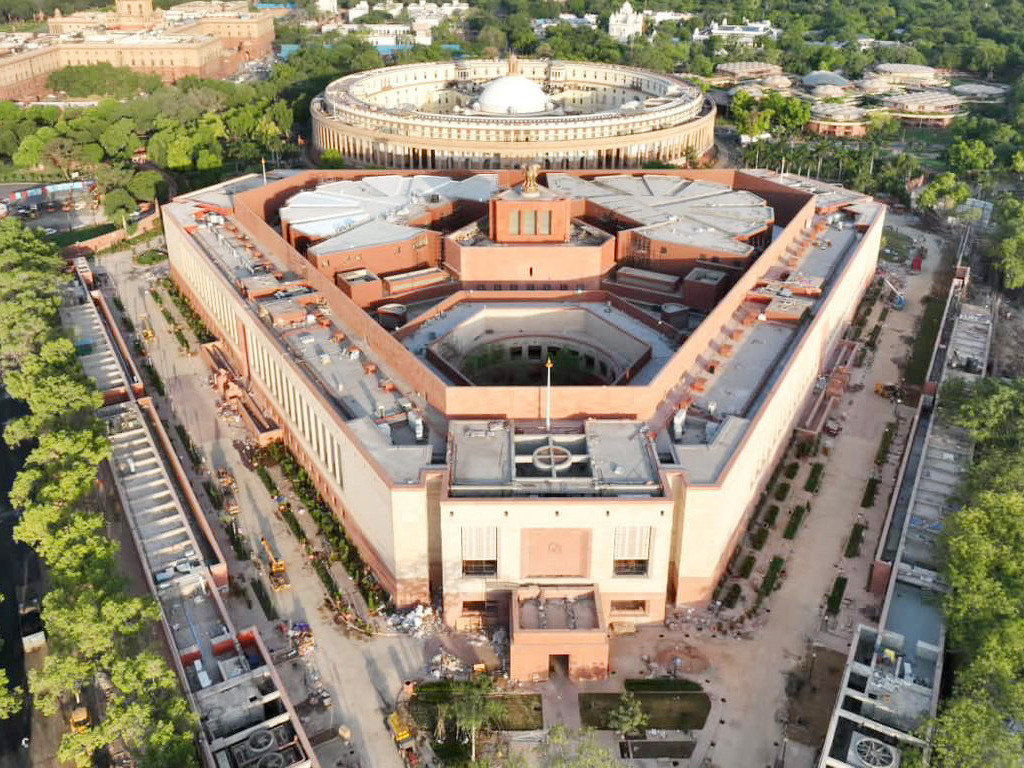
Prime Minister Narendra Modi is set to chair the 11th Governing Council meeting of NITI Aayog in New Delhi on Thursday, 11 June, putting jobs, skills and development outcomes at the centre of the day's national policy conversation. The meeting at the Rashtrapati Bhavan Cultural Centre will focus on "inclusive human development for Viksit Bharat", with state and Union Territory leadership expected to align strategies around employment, skill development and measurable social progress.
The agenda matters because NITI Aayog's governing council is one of the few recurring forums where the Centre and states can discuss development priorities in the same room. India often debates economic growth as a national figure, but delivery depends heavily on state capacity. Schools, skills programmes, local health systems, urban services, jobs missions and district-level implementation are all shaped by state governments. A national target can set direction, but the real test is whether states have workable plans, data and money to act on it.
The phrase "inclusive human development" also signals that the conversation is not only about headline GDP growth. It points to the quality of growth: whether young people can move from education into work, whether vocational training matches industry demand, whether public services reach weaker districts, and whether states can compare outcomes without turning policy into a slogan contest.
Jobs and skills will likely be the most closely watched themes. India's demographic scale is an advantage only if training, apprenticeships, enterprise support and labour-market information improve together. A state may build training centres, but the result is weak if local industry does not need those skills. A company may need workers, but recruitment suffers if transport, housing and basic education are poor. The governing council format is useful because it can force these links into one conversation.
For citizens, the practical question is what will change after the meeting. A strong outcome would not be a long communique alone. It would be clearer state commitments, better public dashboards, sharper skills metrics and follow-up dates that allow people to see whether promises move into delivery. Human development is not improved by meeting language; it is improved by schools, clinics, training, jobs, nutrition, public transport and local administration working better.
Thursday's NITI Aayog meeting is therefore a policy event worth watching beyond the headline. If the focus stays on jobs, skills and measurable outcomes, the meeting can help move "Viksit Bharat" from a slogan into a set of tests that citizens can actually judge.
Related Stories

Supreme Court Orders Release Of Under-18 NEET Protesters And Digital Data Safeguards
The Supreme Court has turned the July 20 NEET protest policing row into a national accountability question by ordering immediate safeguards for detained young protesters and digital material collected during the demonstrations.
Parliament Adjourns As Anti-Paper Leak Bill Faces Opposition Uproar
Parliament ended Monday in another confrontation over public examinations after the government introduced the Public Examinations (Prevention of Unfair Means) Amendment Bill, 2026 and opposition MPs demanded a statement on alleged police action against student protesters.

Omar Abdullah Announces July 20 Delhi Protest For Jammu And Kashmir Statehood
The National Conference will protest at Jantar Mantar on July 20, the opening day of Parliament's Monsoon Session, pressing the Centre for a statehood restoration timeline.