Odisha Floods Leave Three Dead And More Than Two Lakh People Affected Across Six Districts
Odisha is facing a serious flood emergency after heavy rain left at least three people dead and affected more than two lakh residents across six districts.

Odisha is facing a serious flood emergency after heavy rain left at least three people dead and affected more than two lakh residents across six districts. The Indian Express reported that 748 villages have been affected, with Balasore, Bhadrak and Jajpur among the worst-hit districts. Dhenkanal, Mayurbhanj and Sambalpur have also been affected. The figures make the floods more than a routine monsoon disruption. They point to a fast-moving humanitarian and administrative challenge involving evacuation, relief centres, damaged homes, cut-off villages and river systems already under stress.
Revenue and Disaster Management Minister Suresh Pujari said the three deaths were from Keonjhar district. The report said a fire service personnel died of electrocution, an elderly person died in a wall collapse, and a child was swept away in the rain. Those details show how flood fatalities often occur through secondary hazards rather than only through rising river water. Electrocution, collapsing structures, submerged roads, and sudden runoff can become fatal even in places that are not usually treated as the centre of a disaster.
The scale of evacuation is significant. More than 30,000 people have been moved from low-lying areas, and 226 villages in the six districts remain marooned and cut off. Pujari said special care was being taken of elderly people, women and children at flood relief centres. The administration has also cancelled leave for government officials in affected districts. More than 60 teams from the NDRF, ODRAF and fire service have been deployed, while three senior IAS officers have been sent to Balasore, Bhadrak and Jajpur to support district administrations.
The damage is not limited to immediate displacement. Officials said floodwaters damaged 761 houses and inundated nearly 8,000 hectares of agricultural land. That matters because the economic cost of flooding continues after the water recedes. Families may need repairs, replacement documents, livestock support, crop compensation, school reopening plans and health surveillance. Standing water can also raise risks of water-borne disease if drinking-water systems and sanitation are disrupted. For farmers, the timing of the flood can shape whether crops recover, need replanting, or are lost for the season.
Rivers are now the main operational concern. Major rivers including the Baitarani, Salandi and Jalaka were reported to be in spate and above danger levels at several places. Authorities also warned that a moderate flood is expected in the Mahanadi system because of heavy inflows from the upper catchment. Water Resources Department engineer-in-chief Dilip Rout said around 9 lakh cusecs of water could be released at Mundali in Cuttack district by Thursday evening, potentially affecting Jagatsinghpur, Puri, Khurda and Cuttack districts.
The broader monsoon backdrop remains active. The official IMD extended outlook continues to flag monsoon systems and rainfall distribution across the country for the period around July 30 to August 5. For Odisha, the immediate priority is narrower: life safety, evacuation, shelter management, river monitoring and keeping essential services functioning. The safest way to read the situation is that the state has already moved from alert mode into response mode. The next 24 to 48 hours will decide whether the flood remains district-contained or becomes a larger river-basin emergency.
Related Stories
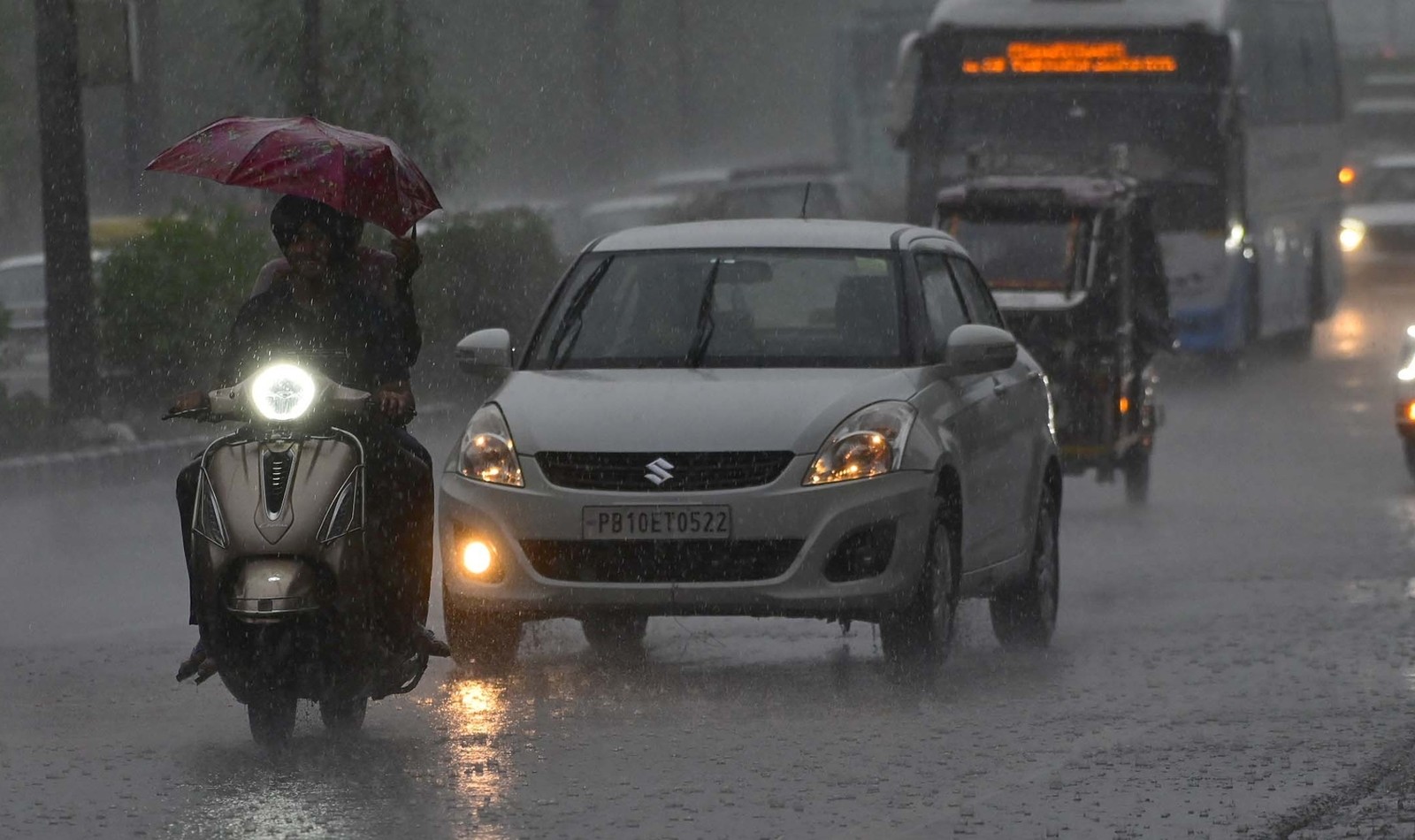
Delhi's Red-Alert Rain Turns A Weather Break Into A Commute Stress Test
Heavy rain, thunderstorms and an IMD red alert brought cooler air but also waterlogging and morning traffic risk across the National Capital Region.
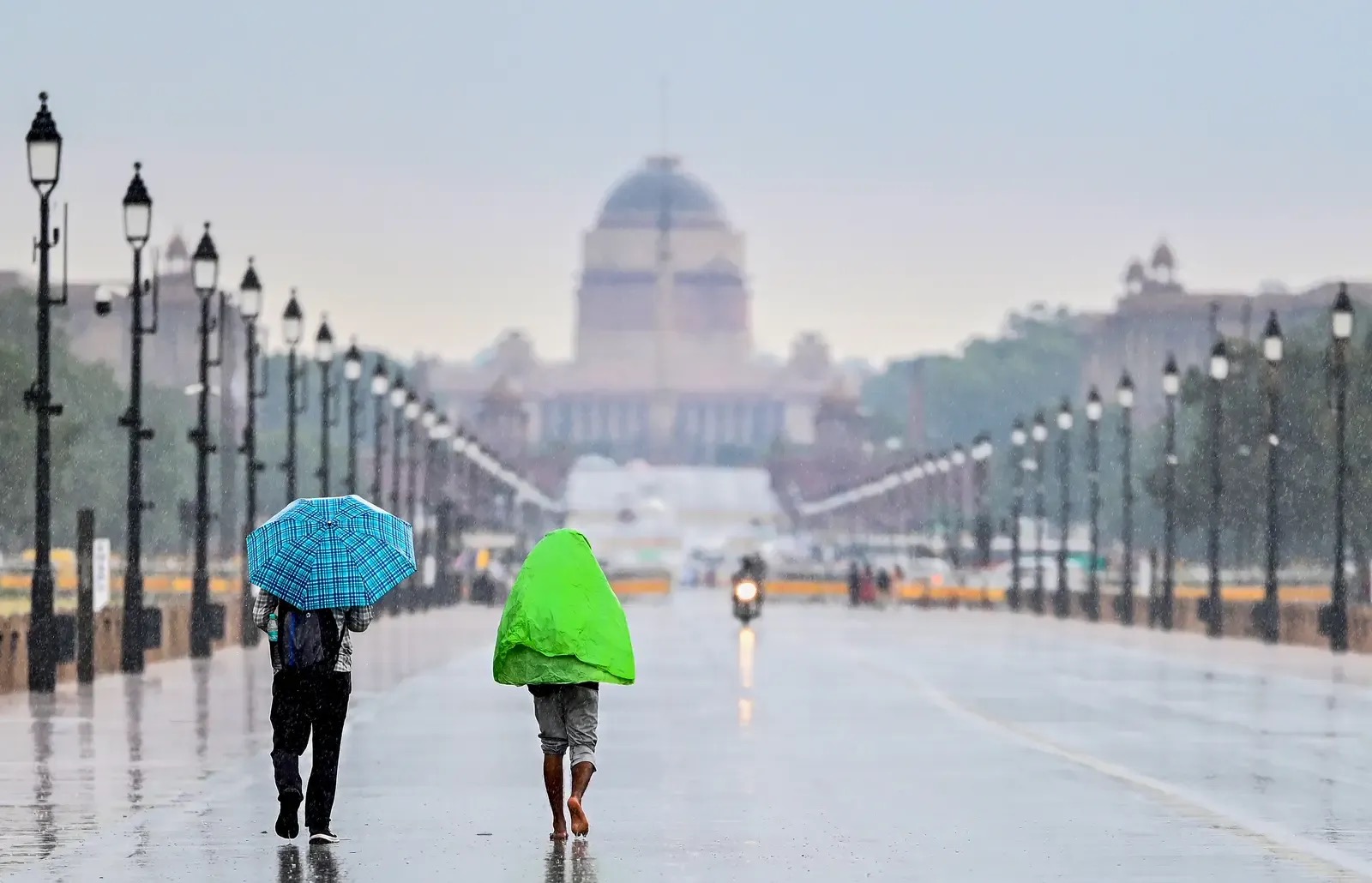
Delhi's Weekend Rain Window Comes With A Dust-Control Warning
Rain, thunderstorms and winds up to 50 kmph may give Delhi-NCR temporary relief, but high minimum temperatures and construction dust keep the air-quality risk alive.
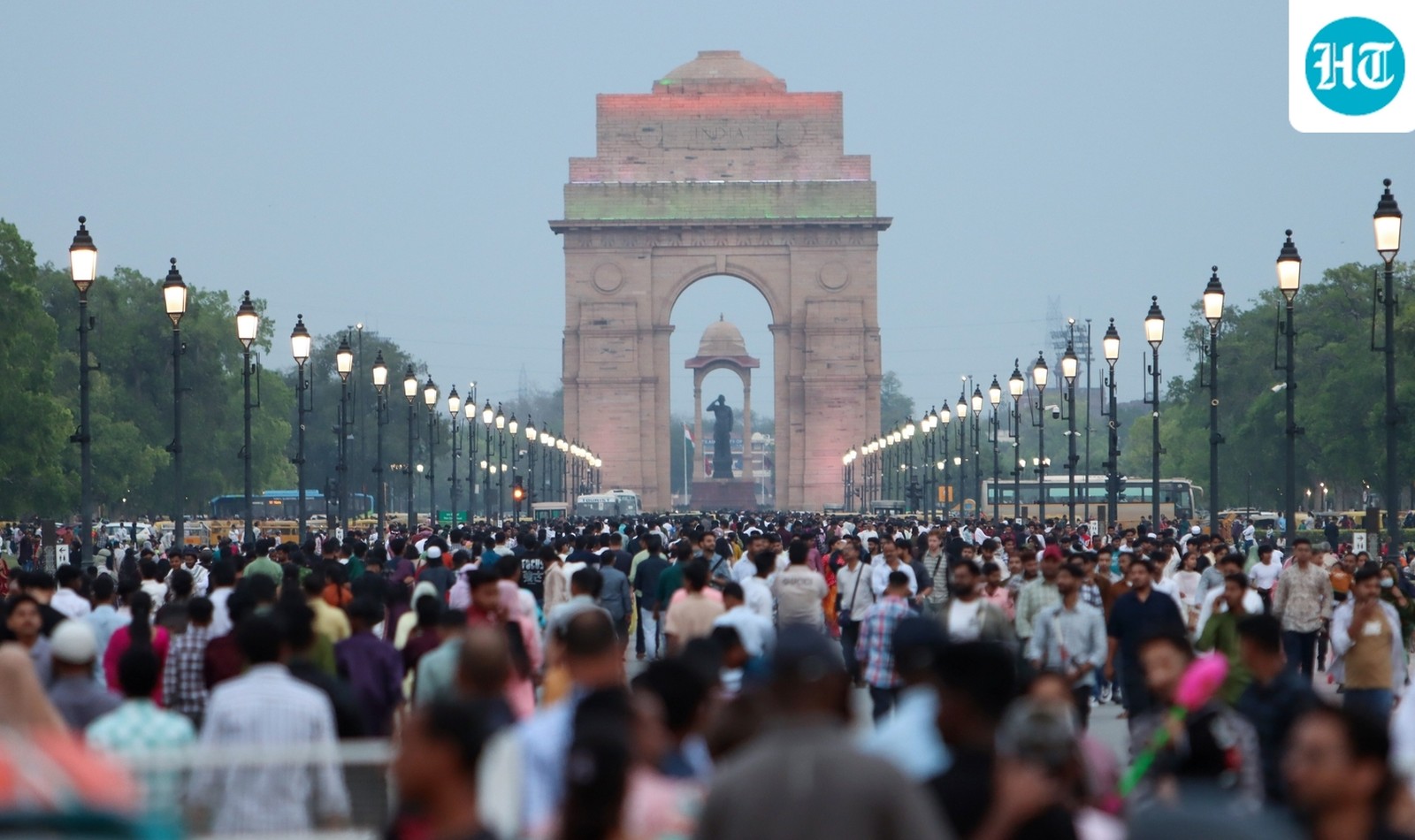
Delhi's Partly Cloudy Forecast Keeps The AQI Watch In Place
IMD's local forecast for New Delhi-Safdarjung shows partly cloudy skies on October 8 after the scattered-rain window, with temperatures expected around 34 and 22 degrees Celsius.