FSSAI Sends Nine Notices To Swiggy Instamart Over Expired And Unsafe Food Complaints
India's quick-commerce food safety debate has sharpened after FSSAI issued nine notices to Swiggy Instamart over complaints of expired, spoiled and contaminated products.
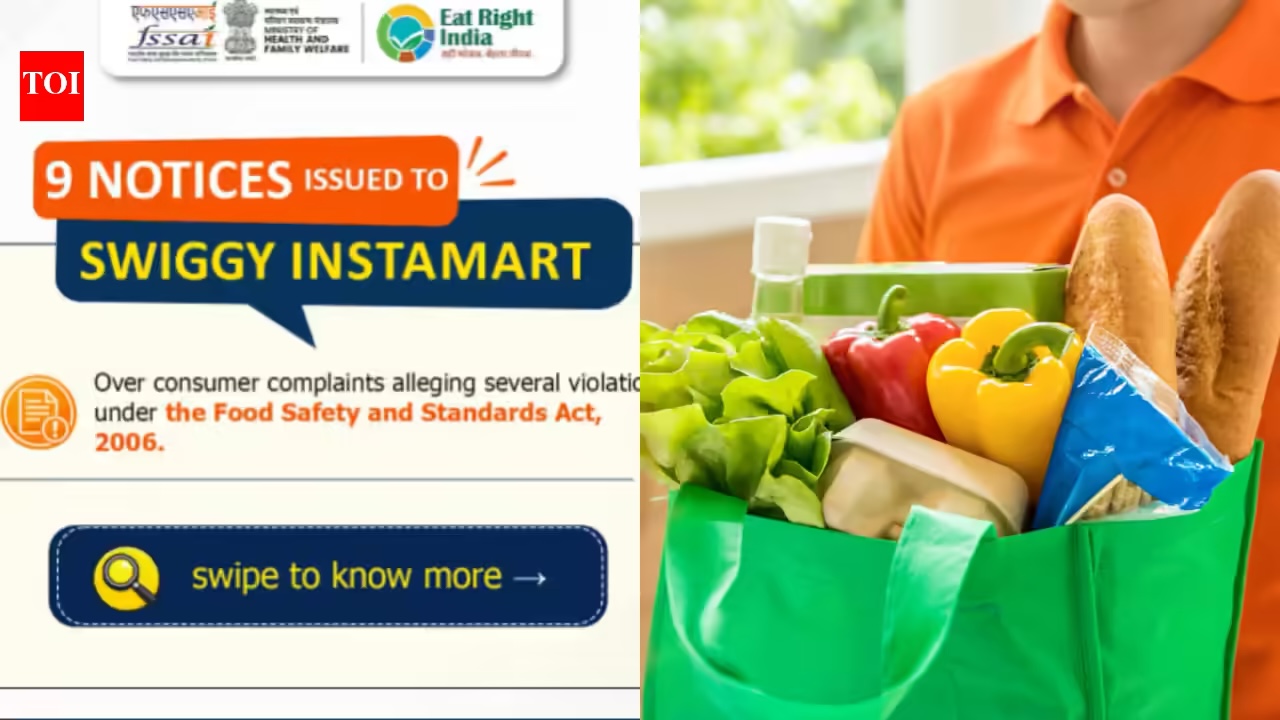
India's quick-commerce food safety debate has sharpened after the Food Safety and Standards Authority of India issued nine notices to Swiggy Instamart over complaints involving expired, spoiled, contaminated and allegedly unsafe products. The regulator acted after consumer complaints raised concerns about products delivered through the platform, including rotten eggs, spoiled parathas, expired packaged snacks and deteriorated food items.
The issue cuts to the core of the 10-minute grocery model. Fast delivery has changed urban shopping habits by making milk, eggs, snacks, fresh food and pantry items available almost instantly. But the same model depends on tight inventory rotation, cold-chain discipline, accurate licensing and rapid grievance redressal. If a product moves from dark store to doorstep quickly but is already expired, poorly stored or incorrectly labelled, speed becomes part of the risk rather than the benefit.
FSSAI's notices referred to possible violations under the Food Safety and Standards Act, 2006. The alleged issues included the sale of expired food, improper storage and handling, misleading or invalid licensing information and inadequate consumer grievance redressal. The regulator also directed the food business operator to provide explanations, documentary evidence, quality assurance details, food safety monitoring processes, inventory management systems, stock rotation procedures, hygiene controls and corrective or preventive actions.
Some of the complaints cited were specific. NOICE Eggs were allegedly marketed under a category not covered by an existing FSSAI licence. Healthify 100 percent Whey Protein and Noice Homestyle Madras Mixture with Peanuts were allegedly supplied after expiry. Akshayakalpa Organic Eggs were reportedly delivered in an expired and rotten condition. A complaint involving infant food formulation alleged that the product was delivered in a highly deteriorated condition and then supplied again after a return.
For consumers, the story is bigger than one company. Quick commerce has become part of daily food infrastructure in Indian cities, especially for working families, students and elderly customers who rely on delivery convenience. That gives platforms a responsibility closer to a neighbourhood grocer and a warehouse operator at the same time. The FSSAI action signals that regulators will expect evidence, not just refunds, when food complaints involve health risk.
The compliance burden is likely to rise from here. Platforms may need tighter batch tracking, expiry-date scanning, temperature logs, supplier audits and clearer escalation paths when customers report unsafe food. They may also need to separate routine customer service from food safety incident handling, because a refund does not answer whether similar stock remains on shelves. The case also gives consumers a clear lesson: photograph packaging, keep order records and report unsafe products through official channels when health risk is involved.
Related Stories
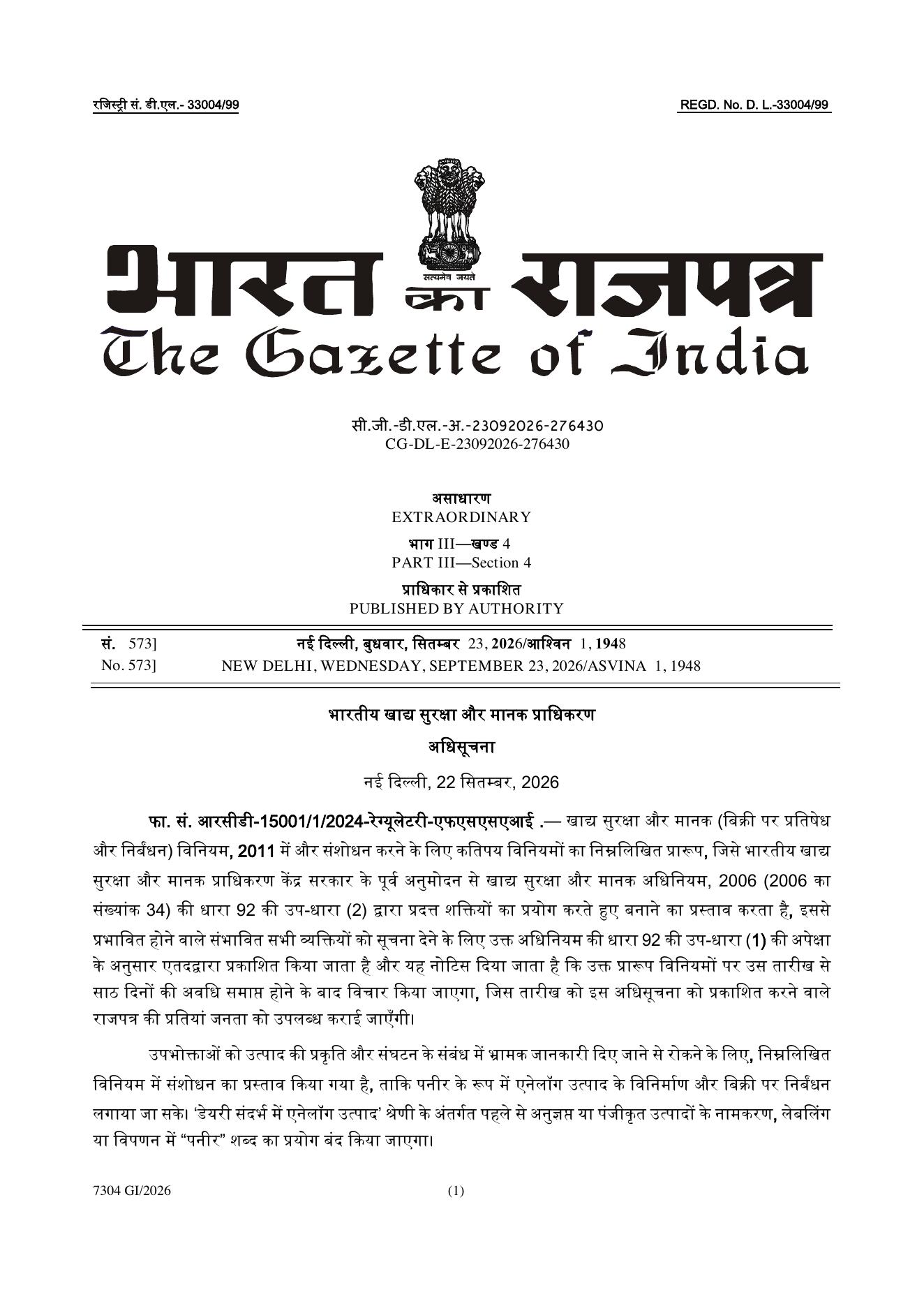
FSSAI Draft Paneer Rule Targets Misleading Non-Milk Dairy Analogue Labels
The Food Safety and Standards Authority of India has proposed a draft amendment to prevent non-milk analogue products from being represented as paneer, a...

Dabur Begins Label Changes After FSSAI Stops Misleading 100 Percent Food Claims
Dabur has begun changing product labels after the Food Safety and Standards Authority of India told the company to stop selling food products carrying...

PepsiCo India Drops Energy Label From Sting After FSSAI Category Order
PepsiCo India has started removing the word "energy" from new Sting cans and bottles after the Food Safety and Standards Authority of India moved against the...
