Lucknow Airport Becomes India's First FSSAI Certified Eat Right Campus
Chaudhary Charan Singh International Airport in Lucknow has become the first airport in India to receive Food Safety and Standards Authority of India certification as an Eat Right Campus.
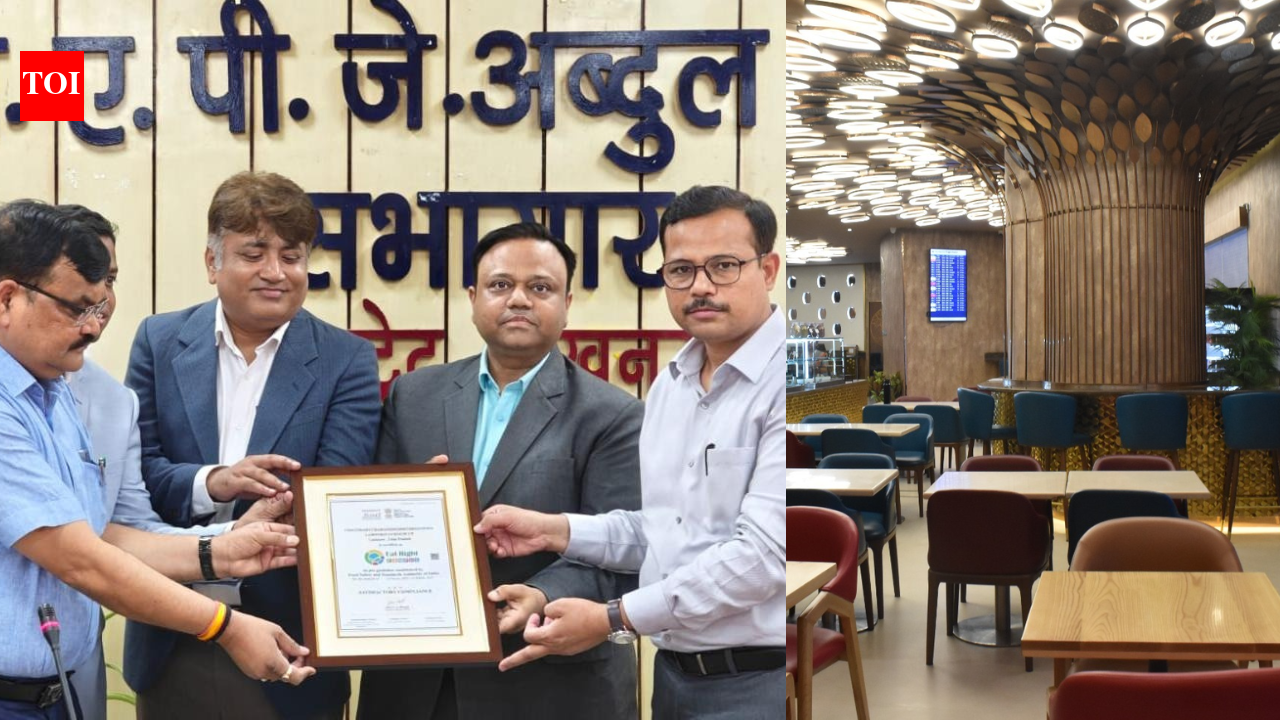
Chaudhary Charan Singh International Airport in Lucknow has become the first airport in India to receive Food Safety and Standards Authority of India certification as an Eat Right Campus. The certification recognises the airport's food safety, hygiene and nutrition standards for travellers, staff and food businesses operating on site.
The story is about more than one airport badge. Airports are high-pressure food environments. Passengers eat quickly, vendors handle large volumes, kitchens operate across long hours, and many customers are families, older travellers or people already stressed by delays. Food safety at an airport therefore has a public-health dimension as well as a hospitality dimension. A visible certification tells travellers that standards have been assessed rather than simply promised by individual outlets.
FSSAI's Eat Right framework is intended to push food businesses and institutions toward safer, healthier and more sustainable food practices. In a campus setting, that means looking beyond one restaurant counter. It can involve training, storage, hygiene, waste management, water quality, labelling, inspection and healthier options. When the setting is an airport, the coordination challenge is larger because multiple brands, concessionaires and service teams share one passenger environment.
Lucknow's certification also lands during a period of wider food-safety attention in India. Recent local and national debates have included misleading health claims, food packaging practices, quality failures and inspections. Consumers increasingly want convenience, but they also want reassurance that convenience does not come at the cost of hygiene or transparency. A certified airport can turn regulatory language into something ordinary passengers understand at the point of purchase.
The travel link is important. For many visitors, an airport is their first or last experience of a city. Food quality and hygiene shape that impression. Lucknow already has a strong culinary identity, and its airport food environment sits between local hospitality and national travel infrastructure. If the certification encourages vendors to maintain standards while still offering regional flavour, it can support both safety and the city's brand.
The challenge is maintaining the standard after the announcement. Certifications can lose meaning if they become one-time events rather than ongoing discipline. Airport operators need regular audits, staff training, clear complaint channels and consequences for vendors that slip. Passengers also need visible information: clean counters, readable menus, allergy and nutrition signals where appropriate, and confidence that complaints will be acted on.
Other airports will now be watched to see whether they follow. India's aviation market is expanding, with new airports, route additions and rising passenger expectations. Food safety should grow with that expansion. The Lucknow certification gives the sector a benchmark: airport food is not only a commercial amenity, but a managed public service inside critical transport infrastructure.
Related Stories
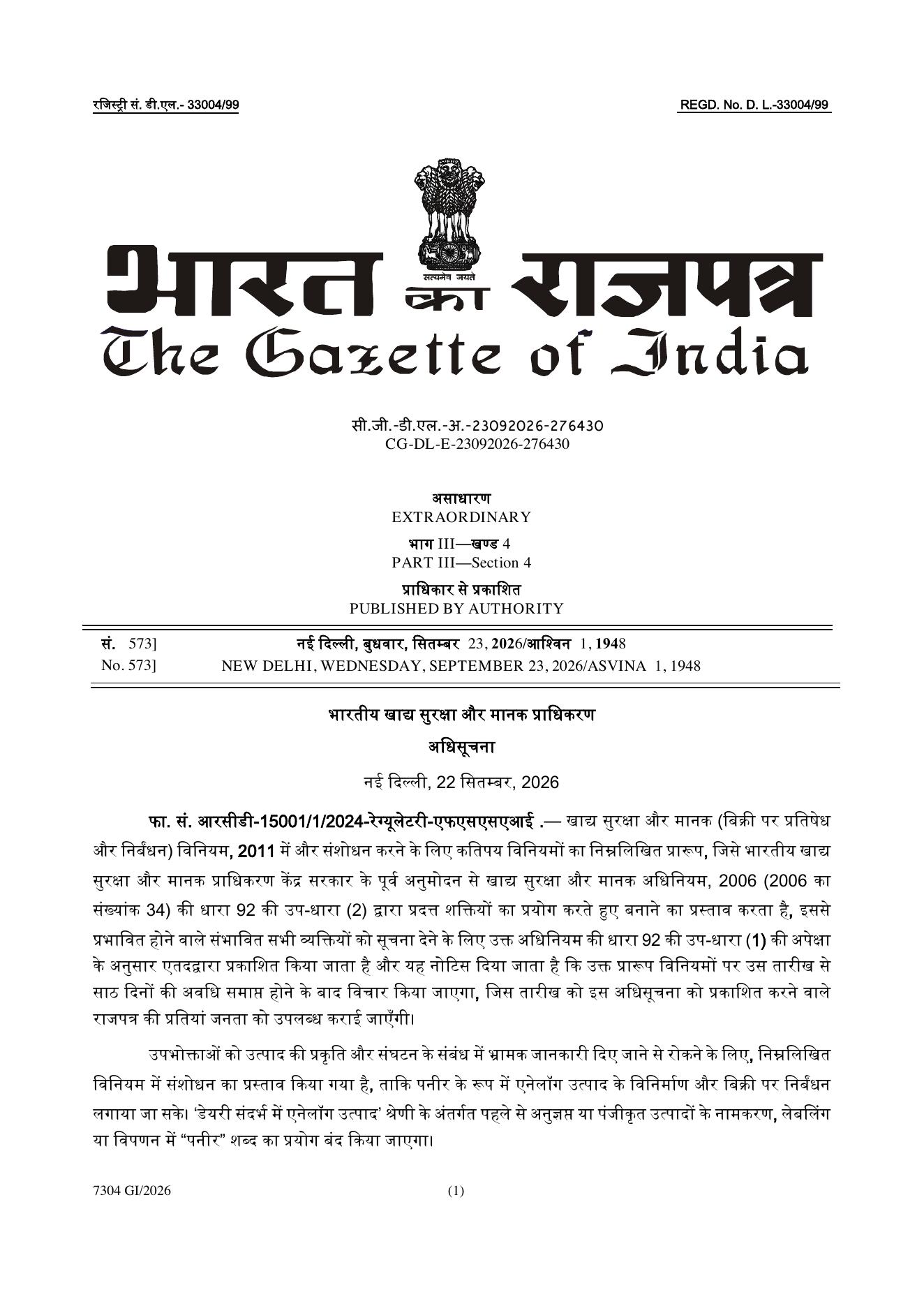
FSSAI Draft Paneer Rule Targets Misleading Non-Milk Dairy Analogue Labels
The Food Safety and Standards Authority of India has proposed a draft amendment to prevent non-milk analogue products from being represented as paneer, a...

Dabur Begins Label Changes After FSSAI Stops Misleading 100 Percent Food Claims
Dabur has begun changing product labels after the Food Safety and Standards Authority of India told the company to stop selling food products carrying...

PepsiCo India Drops Energy Label From Sting After FSSAI Category Order
PepsiCo India has started removing the word "energy" from new Sting cans and bottles after the Food Safety and Standards Authority of India moved against the...
