Hyderabad Restaurants Lag On FSSAI Hygiene Ratings As Only 361 Eateries Sign Up
Hyderabad's restaurant sector is facing a food safety transparency gap, with Times of India reporting that only 361 eateries in the city have obtained hygiene ratings under the Food Safety and...
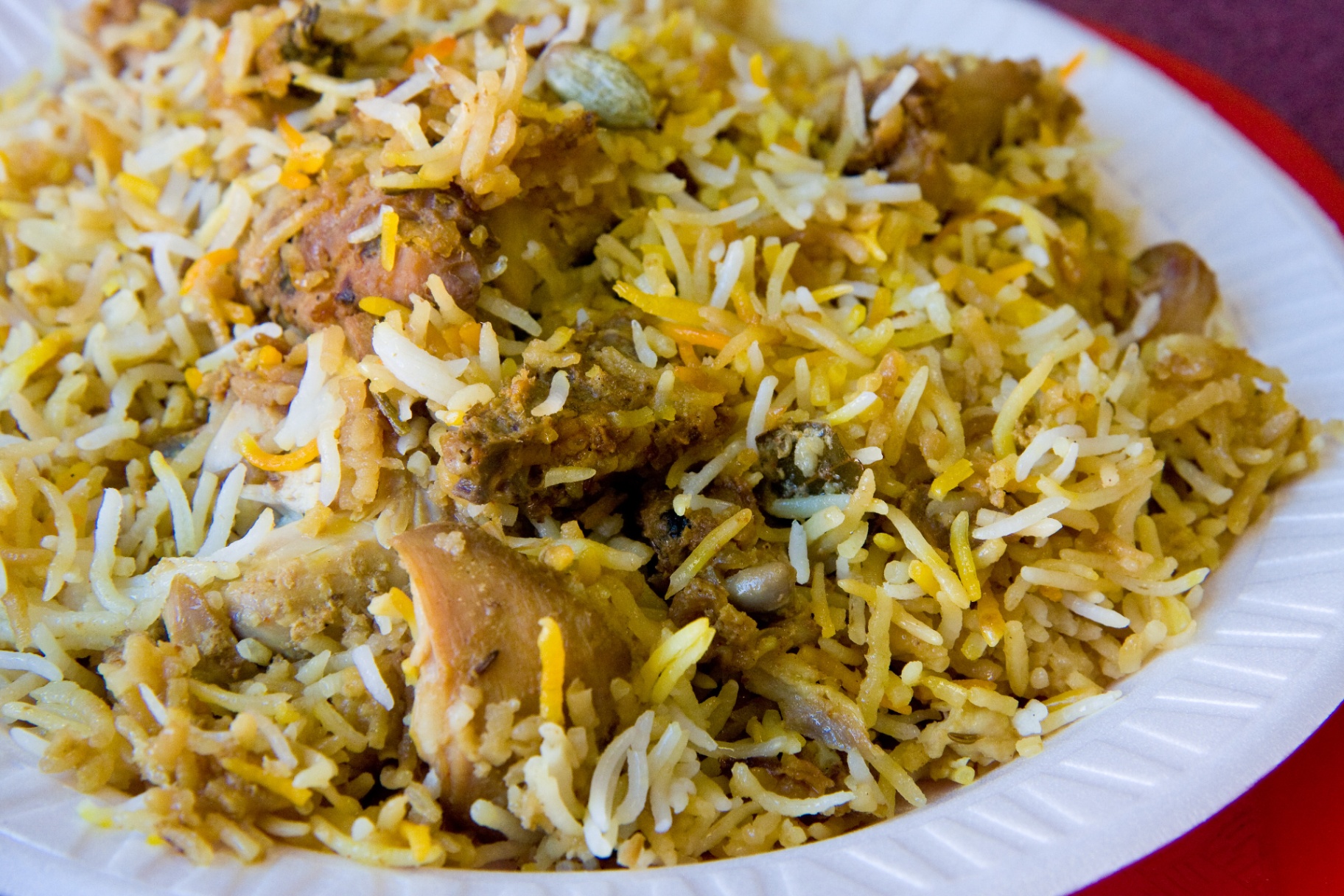
Hyderabad's restaurant sector is facing a food safety transparency gap, with Times of India reporting that only 361 eateries in the city have obtained hygiene ratings under the Food Safety and Standards Authority of India's programme. The report said this represents less than 2 percent of licensed food establishments in a city with about 25,000 licensed eateries and roughly 75,000 total outlets. For a city known nationally for food culture and a restaurant industry with annual turnover above Rs 10,000 crore, the low take-up is a public trust issue as much as a compliance issue.
The FSSAI hygiene rating programme evaluates establishments on cleanliness, food handling, storage conditions and overall food safety compliance. Businesses that meet the required benchmarks can display a one-to-five-star rating. In theory, the system gives diners a simple way to compare hygiene standards before choosing where to eat. In practice, adoption in Hyderabad appears weak because the rating is not mandatory and many operators have not opted in.
The gap is striking when compared with other cities. Times of India reported that Bengaluru has around 2,200 eateries with hygiene ratings, while Delhi leads with 3,394 certified establishments. Hyderabad's lower adoption does not automatically mean every unrated outlet is unsafe. It does mean consumers have less visible information. In a food market built on reputation, word of mouth and delivery-app listings, a credible hygiene rating can help separate businesses that invest in cleanliness from those that rely only on taste, location or branding.
Food safety officials told the newspaper they encourage hotel owners to obtain ratings during inspections and have intensified Food Safety Training and Certification programmes. The National Restaurant Association of India had also announced in 2024 that it would promote hygiene ratings, awareness and audits in collaboration with food safety authorities. The latest numbers suggest that voluntary encouragement has not been enough to shift behaviour at scale.
The policy question is whether hygiene ratings should remain optional. Making every small food operator comply immediately could be difficult, especially for informal businesses. But a staged approach is possible: start with larger restaurants, chains, high-footfall outlets, caterers and delivery-heavy kitchens, then expand. Public dashboards, ward-level monitoring committees and visible certificates could help consumers understand which establishments have been audited and which have not.
For restaurant owners, the rating should be viewed as a competitive advantage rather than a burden. A clean kitchen, safe storage and trained staff reduce illness risk, protect brand value and build confidence with families, tourists and office workers. For consumers, the lesson is to ask better questions. Hygiene is not guaranteed by popularity, premium pricing or a famous dish. Hyderabad's culinary brand is strong, but it will be stronger if diners can see that food safety standards match the city's reputation. The numbers reported this week show there is still a long way to go.
The issue also matters for delivery platforms and cloud kitchens, where customers may never see the kitchen before ordering. Visible hygiene ratings could help bring offline and online food choices under the same trust standard.
Related Stories
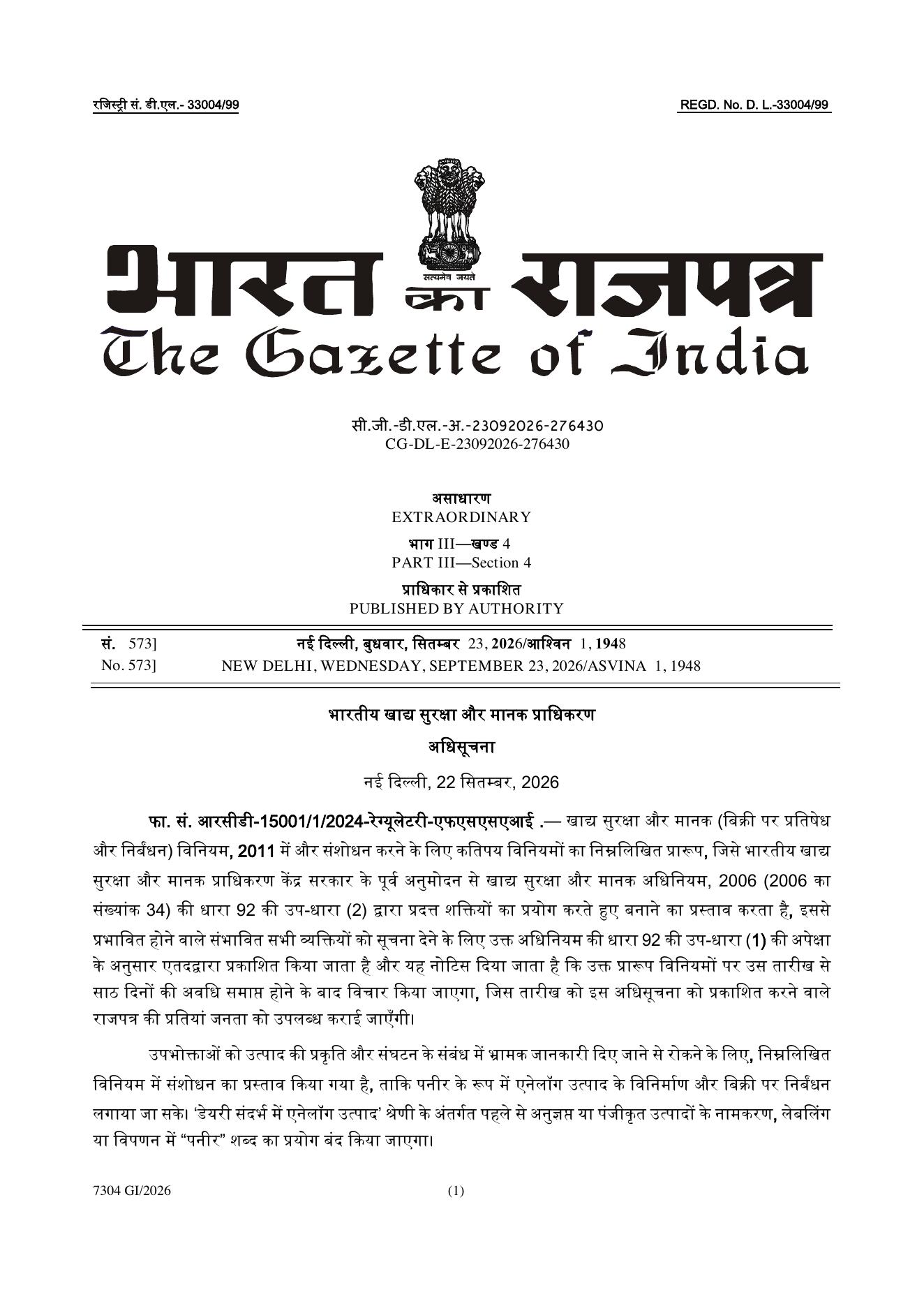
FSSAI Draft Paneer Rule Targets Misleading Non-Milk Dairy Analogue Labels
The Food Safety and Standards Authority of India has proposed a draft amendment to prevent non-milk analogue products from being represented as paneer, a...

Dabur Begins Label Changes After FSSAI Stops Misleading 100 Percent Food Claims
Dabur has begun changing product labels after the Food Safety and Standards Authority of India told the company to stop selling food products carrying...

PepsiCo India Drops Energy Label From Sting After FSSAI Category Order
PepsiCo India has started removing the word "energy" from new Sting cans and bottles after the Food Safety and Standards Authority of India moved against the...
