Atomgrid Founders Siddharth Gupta And Lakshit Bansal Build Bengaluru Chemicals Platform For Global Buyers
Bengaluru-based Atomgrid has become the founder-focused story to watch this week because it sits at the meeting point of manufacturing, research and exports.
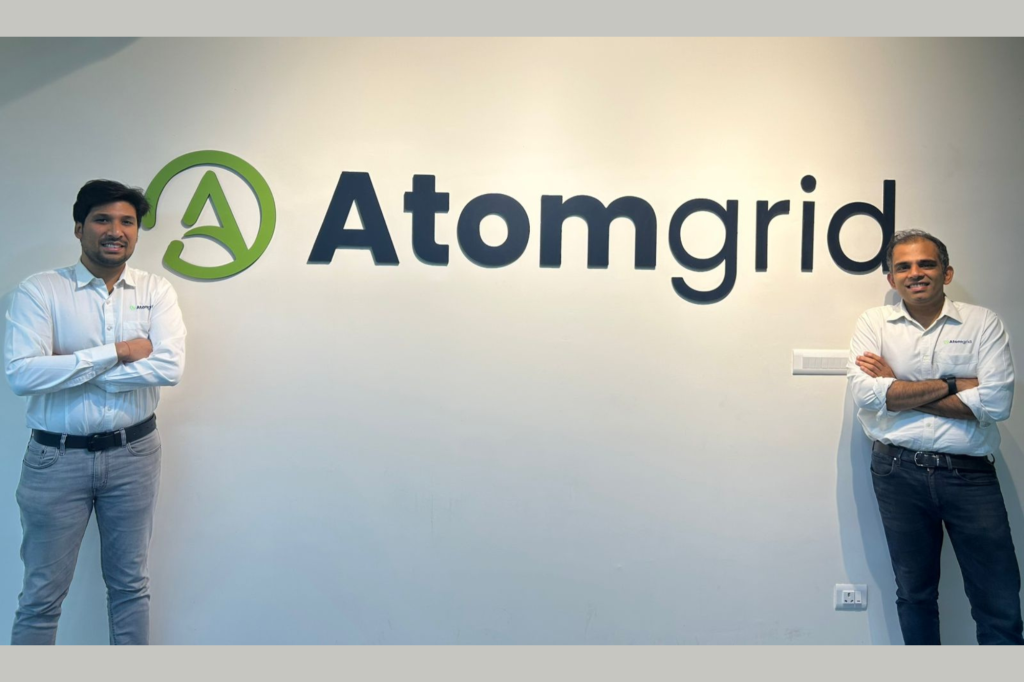
Bengaluru-based Atomgrid has become the founder-focused story to watch in India startup coverage this week because it sits at the meeting point of manufacturing, research and exports rather than consumer internet hype. The company is an R&D-led speciality chemicals manufacturing platform founded in 2023 by Siddharth Gupta and Lakshit Bansal. The business is focused on agrochemicals and uses a model that combines in-house research, manufacturing partnerships and global distribution.
The founders' thesis is straightforward: India has long had chemical manufacturing capability, but global customers increasingly want reliable product development, sourcing discipline and supply-chain coordination from one platform. Atomgrid is trying to provide that orchestration layer. The startup operates a 10,000-square-foot R&D centre in Bengaluru with a team of 20 scientists, works with around 30 manufacturing partners and exports to Southeast Asia, Africa and Latin America.
That model is notable because it is not only a trading business. The company is trying to build technical depth while staying asset-light. In speciality chemicals, that can be a difficult balance. Customers want quality control, regulatory confidence and repeatability, while startups want to avoid tying up too much capital in plants before demand is proven. Atomgrid's answer is to own more of the research and customer relationship while working with manufacturing partners for production.
The company has also shown commercial traction. Atomgrid has served more than 150 clients and tripled its revenue from FY25 to FY26. In January 2026 it raised USD 7 million in pre-Series A funding through a mix of equity and debt. That round was led by A99, with participation from Sadev Ventures, CDM Capital and existing investor Merak Ventures, along with venture debt from Trifecta, SIDBI and RevX. The funding followed an earlier USD 1.25 million raise.
The bigger story is what Atomgrid says about Indian startups moving into harder, less glamorous sectors. The last decade of startup coverage was dominated by payments, delivery, marketplaces and consumer apps. Atomgrid belongs to a different wave: companies that use software, research and global sales to modernise industrial supply chains. If it works, the value does not come only from selling cheaper chemicals. It comes from helping buyers source specialised compounds, manage product development and reduce uncertainty in markets where reliability matters.
The founders still face execution risks. Speciality chemicals are exposed to regulatory checks, customer qualification cycles, freight costs, input-price volatility and competition from established suppliers. Export growth can also become harder as the company moves from emerging markets into Australia, Europe or other developed regions with stricter compliance expectations. But the early signals explain why the story is relevant now.
Related Stories
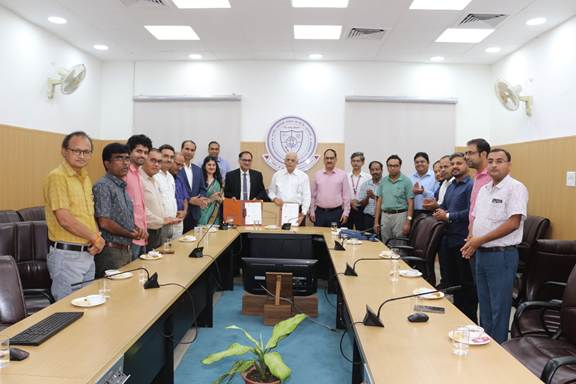
C-DOT and IIT (BHU) Open Sixth Telecom Research Centre
A new C-DOT centre at IIT (BHU), Varanasi will focus on 5G Advanced, 6G, AI, quantum technologies and cybersecurity.
Rural Attendance App Update Adds Offline Checks and Stronger Safeguards
The upgraded NMMS app adds liveness checks, device security and offline attendance recording for workers under VB-G RAM G.
India Mobile Congress Build-a-thon Turns 5G Problems Into Agentic AI Prototypes
Teams at India Mobile Congress developed telecom-focused agentic AI prototypes, with policy, security and network troubleshooting built into the challenge.