Dhravya Shah Raises 3 Million Dollars For Supermemory As Indian AI Founders Go Global Early
Mumbai-born founder Dhravya Shah has raised 3 million dollars in seed funding for Supermemory, the artificial-intelligence startup he began after building a popular open-source memory project.
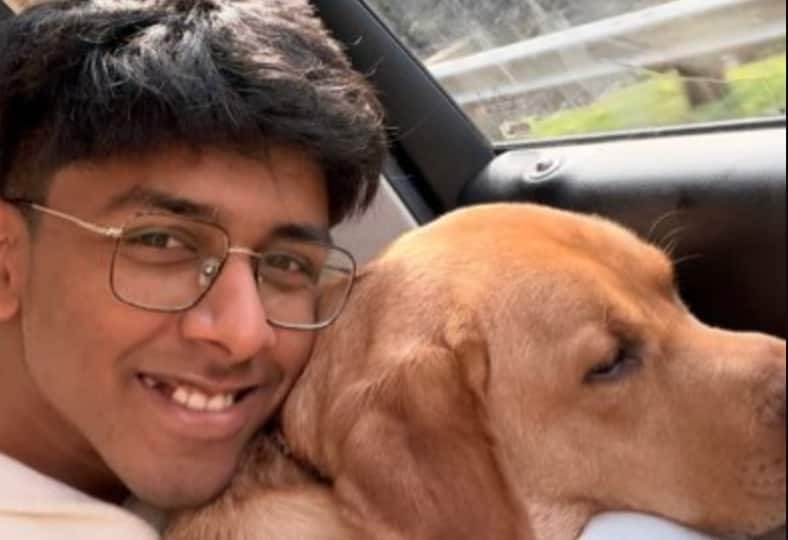
Mumbai-born founder Dhravya Shah has raised 3 million dollars in seed funding for Supermemory, the artificial-intelligence startup he began after building a popular open-source memory project. The 19-year-old founder's startup has backing from figures connected to Google, DeepMind and Cloudflare, and is building enterprise memory infrastructure for AI products. Shah had sold a company at 16 and later received a US O-1 visa.
This is today's founder-focused story because it shows a shift in how Indian startup talent is entering global technology markets. The old template was to study, join a large company, build a network, then start up later. Shah's story is closer to the new open-source path: build in public, attract users and developers first, then convert technical credibility into funding. Supermemory reportedly began as a hackathon-style project in 2024 and gained traction on GitHub before becoming a company.
The product category is also important. As AI systems become more common, memory is becoming one of the practical bottlenecks. A chatbot or agent that cannot remember context, user preferences, previous decisions or enterprise information remains shallow. But a system that remembers too much without controls can create privacy, accuracy and compliance problems. That is why memory infrastructure is not just a feature. It sits between product usefulness and trust.
For Indian founders, the Supermemory raise points to a market that is global from the first serious release. A young founder can now build for developers in several countries without waiting for a domestic enterprise sales cycle. That opportunity is powerful, but it also raises the bar. Open-source attention is not the same as enterprise revenue. Companies buying AI infrastructure will ask about reliability, data controls, auditability, integrations, latency and support. The founder story becomes compelling only if the product survives those tests.
Shah's decision to skip the conventional IIT route will attract attention, but it should not be reduced to an anti-education slogan. The more useful lesson is that technical proof can now come from shipped work, community adoption and customer demand as much as from institutional credentials. That does not make formal education irrelevant. It means founders have more paths to credibility if they can build something people use.
The funding also lands in a week when Indian startup coverage has been crowded with AI, wellness, property-tech and consumer funding updates. Investors are looking for teams that can serve global markets while still benefiting from Indian cost structures and talent depth. Supermemory fits that narrative, but it will also face intense competition from model providers, developer-tool companies and internal enterprise platforms.
What makes this raise worth watching is not the founder's age alone. It is the combination of open-source traction, an infrastructure problem that AI products increasingly need to solve, and an Indian founder operating directly in a global software market. If Supermemory can turn early technical enthusiasm into dependable enterprise adoption, it will be a useful example of how Indian AI founders can compete beyond local adaptation.
Related Stories
C-DOT and IIT (BHU) Open Sixth Telecom Research Centre
A new C-DOT centre at IIT (BHU), Varanasi will focus on 5G Advanced, 6G, AI, quantum technologies and cybersecurity.
Rural Attendance App Update Adds Offline Checks and Stronger Safeguards
The upgraded NMMS app adds liveness checks, device security and offline attendance recording for workers under VB-G RAM G.
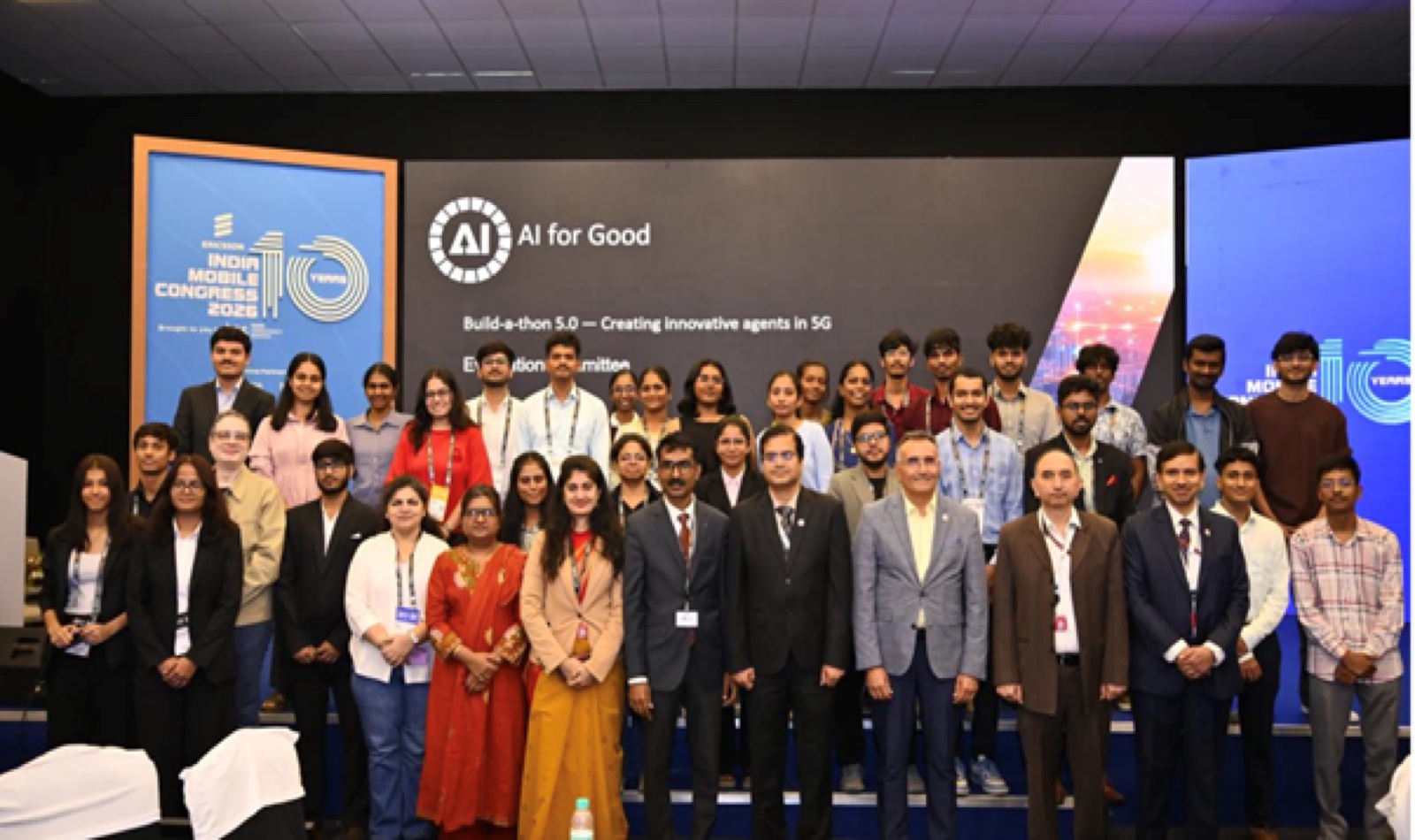
India Mobile Congress Build-a-thon Turns 5G Problems Into Agentic AI Prototypes
Teams at India Mobile Congress developed telecom-focused agentic AI prototypes, with policy, security and network troubleshooting built into the challenge.