Delhi EV Policy 2026 Starts With Battery-Only Push And 30,000 Charging-Point Plan
Delhi's Electric Vehicles Policy 2026 has formally moved from cabinet approval to implementation, setting up one of the capital's most aggressive clean-transport pushes so far.
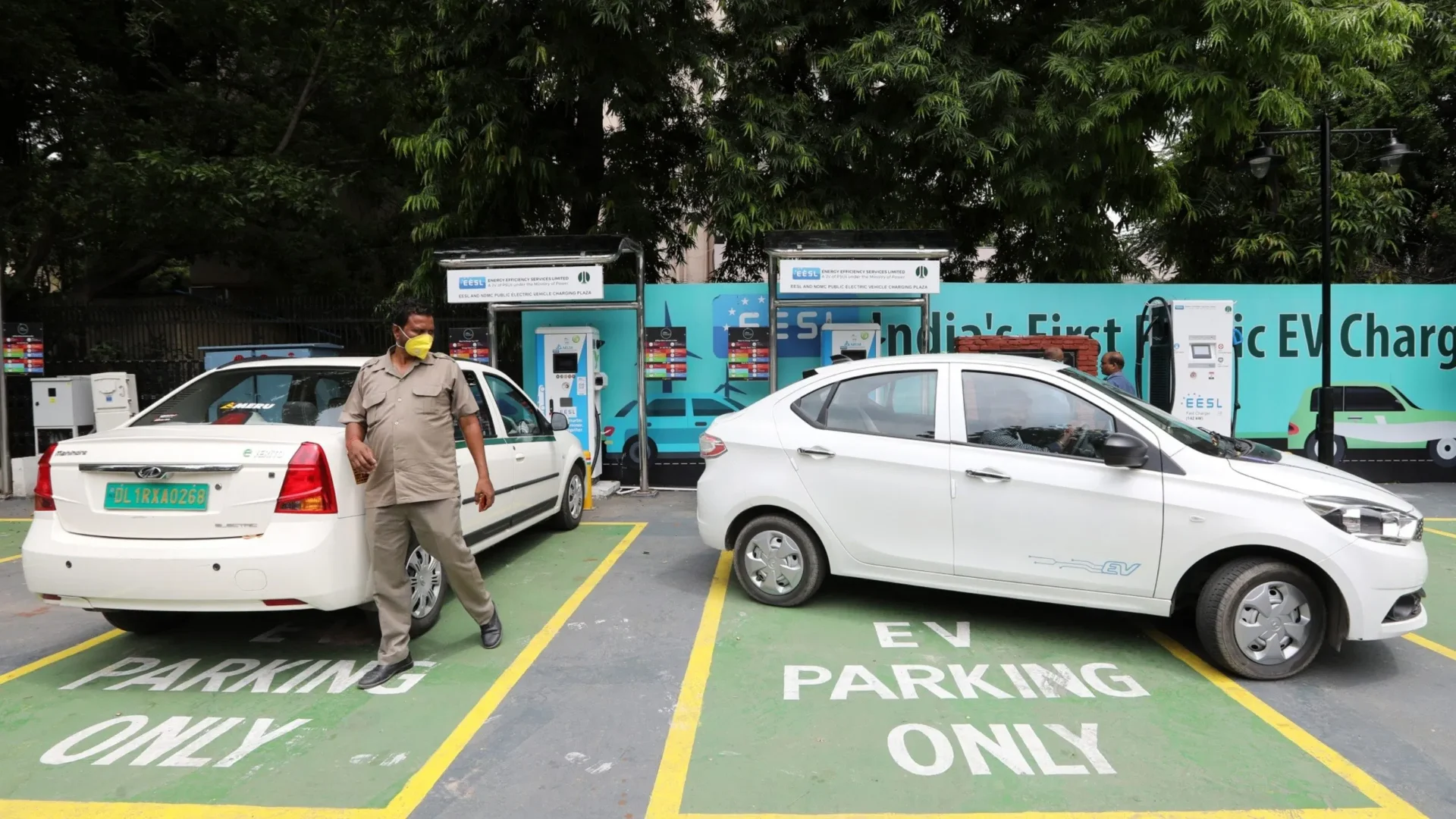
Delhi's Electric Vehicles Policy 2026 has formally moved from cabinet approval to implementation, setting up one of the capital's most aggressive clean-transport pushes so far. The Delhi government has notified the policy after cabinet approval and final clearance. The policy comes into effect from July 1 and runs until March 31, 2030.
The key political choice is that Delhi has stayed with a battery-electric-only direction. A draft proposal to extend incentives to strong hybrid cars priced up to Rs 30 lakh was dropped from the final version. That decision matters because it draws a line between lower-emission transition vehicles and zero-tailpipe-emission vehicles. The government is signalling that public money should support the latter.
The policy includes financial incentives, tax exemptions, scrapping incentives and charging-infrastructure commitments. There is a 100 per cent exemption on road tax and registration fees for electric cars with an ex-showroom price of up to Rs 30 lakh registered in Delhi. It also provides a Rs 1 lakh scrapping incentive for buyers who purchase a new electric car after scrapping a Delhi-registered BS-IV or older vehicle, subject to conditions and limits.
The phased registration deadlines are likely to attract the most attention from drivers and dealers. From January 1, 2027, only electric passenger and goods three-wheelers will be registered in Delhi. From April 1, 2028, only electric two-wheelers will be eligible for registration in the national capital. Those segments are central to Delhi's traffic and pollution profile, but they also include many price-sensitive users, delivery workers and small operators.
The incentive structure is graded. Purchase incentives go up to Rs 30,000 for electric two-wheelers in the first year, falling to Rs 20,000 in the second and Rs 10,000 in the third. Electric three-wheelers can receive up to Rs 50,000 in year one, Rs 40,000 in year two and Rs 30,000 in year three. N1 category electric goods carriers can receive up to Rs 1 lakh. Separate scrapping incentives cover two-wheelers, three-wheelers, four-wheelers, N1 trucks and Gramin Sewa vehicles.
Infrastructure is the other half of the plan. Chief Minister Rekha Gupta said the government would invest around Rs 15,000 crore over four years to expand charging and promote electric mobility. The target is more than 30,000 charging points across Delhi, with an online portal for direct benefit transfers and incentive processing. The policy's success will depend on execution — affordable models, reliable charging, resale confidence and repair support — and whether the city can make electric mobility convenient for ordinary users, not just policy documents.
Related Stories
C-DOT and IIT (BHU) Open Sixth Telecom Research Centre
A new C-DOT centre at IIT (BHU), Varanasi will focus on 5G Advanced, 6G, AI, quantum technologies and cybersecurity.
Rural Attendance App Update Adds Offline Checks and Stronger Safeguards
The upgraded NMMS app adds liveness checks, device security and offline attendance recording for workers under VB-G RAM G.
India Mobile Congress Build-a-thon Turns 5G Problems Into Agentic AI Prototypes
Teams at India Mobile Congress developed telecom-focused agentic AI prototypes, with policy, security and network troubleshooting built into the challenge.