Tata Electronics Tightens Security After Reported Apple And Tesla Data Breach
Tata Electronics has tightened security controls and restricted employee access to internal systems after a reported data breach involving sensitive customer files.
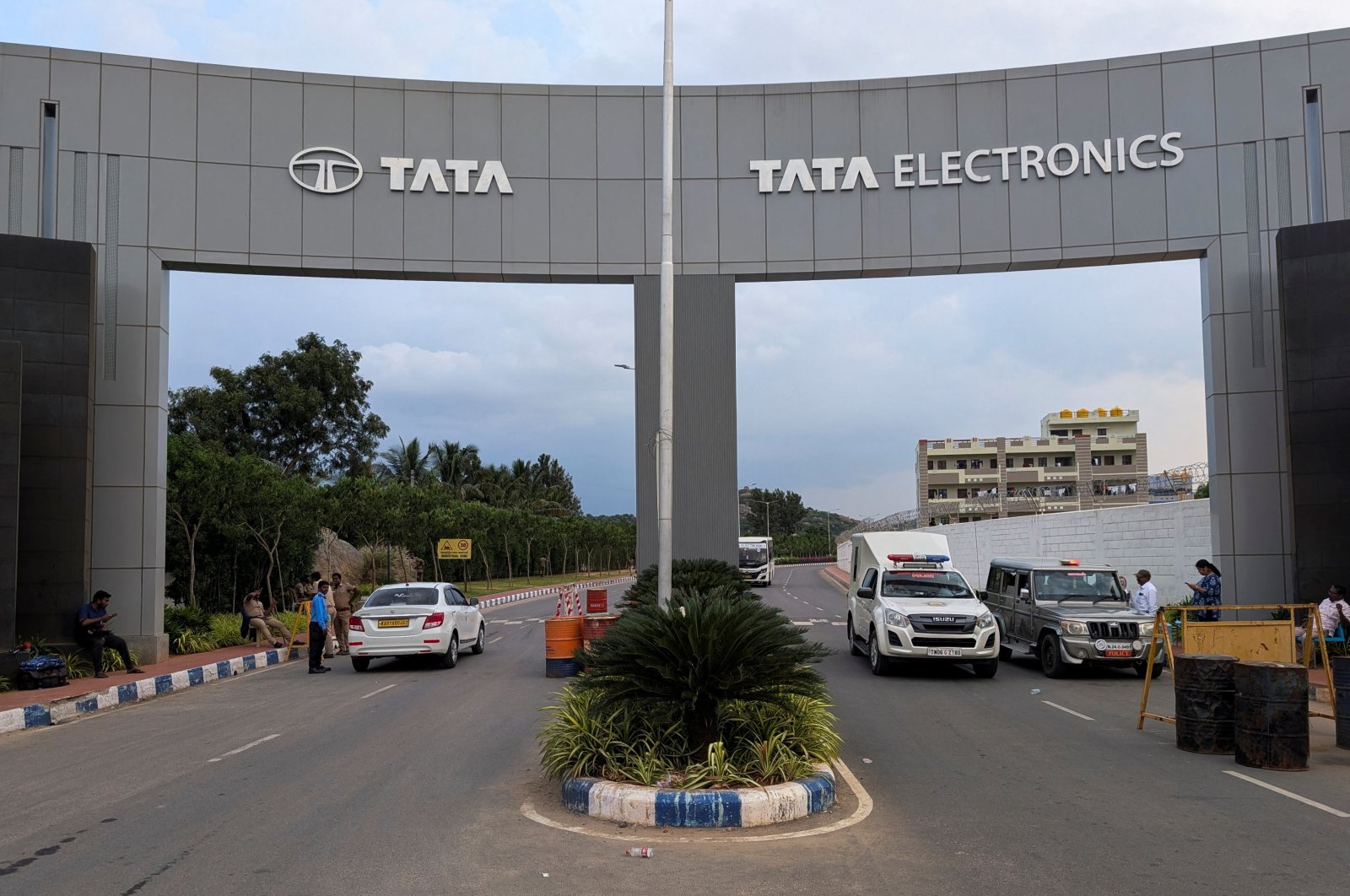
Tata Electronics has tightened security controls and restricted employee access to internal systems after a reported data breach involving sensitive customer files. The Apple supplier has strengthened controls after the incident, while separate reporting said the breach exposed sensitive Apple and Tesla files on the dark web and that Tata Electronics had hired forensic auditors while tightening security. Tata has said response protocols were deployed immediately and that operations across businesses remain unaffected.
The story matters because Tata Electronics is central to India's push into high-value electronics manufacturing. The company has become a key part of Apple's India supply chain and is expanding manufacturing capability at locations including Hosur in Tamil Nadu. As global electronics companies diversify production away from overconcentration in China, Indian suppliers are being asked to prove not only that they can manufacture at scale, but also that they can protect confidential product, customer and operational data.
Cybersecurity is now part of manufacturing competitiveness. A factory that makes components for global technology companies does not only handle physical materials. It may hold design files, quality-control data, supplier records, production schedules, employee credentials, customer specifications and commercial information. If attackers gain access to those systems, the damage can extend beyond one company. Customers may worry about product secrecy, future sourcing, compliance exposure and whether attackers can move from a supplier into a larger corporate network.
The reported Tata response points to the right first steps: restrict access, tighten controls, bring in forensic specialists and assess whether operations have been affected. The harder work comes after the initial containment. A serious review has to identify how access was gained, whether credentials were compromised, what data was taken, whether any systems were altered, and how long attackers may have been present. It also has to examine supplier and contractor access, because manufacturing networks often depend on many external systems and partners.
For India's electronics sector, the reputational stakes are large. The government wants India to be seen as a trusted manufacturing destination for smartphones, semiconductors, components, electric vehicles and advanced electronics. Trust in that context is not only about labour availability or incentives. It is about data protection, physical security, IP discipline, emergency response and the maturity of corporate controls. One breach does not erase India's manufacturing story, but it does show where the standards are rising.
There is also a workforce dimension. Restricting employee access can reduce risk, but it has to be implemented carefully so production and engineering teams can still do their jobs. Overly broad lockdowns can slow operations, while weak access rules leave companies exposed. The balance is role-based access, monitoring, staff training, secure device policies and clear escalation when suspicious activity appears.
The public should not assume that every reported breach means operations have stopped or products are unsafe. Based on the available reports, Tata has said operations are unaffected. But the incident should be treated as a serious warning. India's manufacturing ambitions will increasingly be tested in server rooms and identity systems as much as on factory floors.
Related Stories
C-DOT and IIT (BHU) Open Sixth Telecom Research Centre
A new C-DOT centre at IIT (BHU), Varanasi will focus on 5G Advanced, 6G, AI, quantum technologies and cybersecurity.
Rural Attendance App Update Adds Offline Checks and Stronger Safeguards
The upgraded NMMS app adds liveness checks, device security and offline attendance recording for workers under VB-G RAM G.
India Mobile Congress Build-a-thon Turns 5G Problems Into Agentic AI Prototypes
Teams at India Mobile Congress developed telecom-focused agentic AI prototypes, with policy, security and network troubleshooting built into the challenge.